BOP deficit expected to swell to $6.3 billion this year
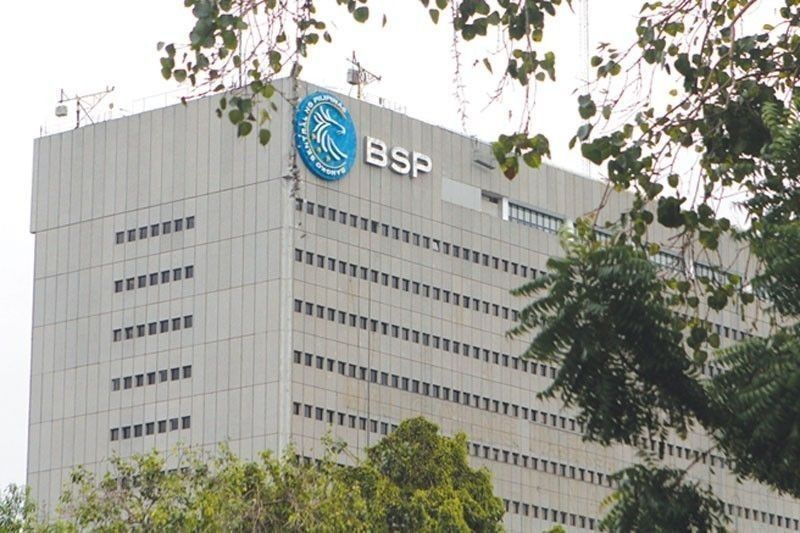
MANILA, Philippines — Monetary authorities are now expecting a wider balance of payments (BOP) deficit of $6.3 billion instead of $4.3 billion for this year, as external risks, particularly Russia’s invasion of Ukraine, put pressure on the financial position.
The Bangko Sentral ng Pilipinas (BSP) said the Monetary Board has adjusted its BOP forecast with the deficit swelling to 1.5 percent of the gross domestic product (GDP) instead of one percent.
“Of note is the downgraded global growth outlook following the escalation of the Ukraine-Russia conflict and its international ramifications, most notably the increase in food and fuel prices,” the BSP said.
The BSP also said the economy is seen taking a hit from the expected slowdown in China’s activities with the reimposition of lockdowns to contain a resurgence in COVID-19 cases.
Likewise, capital inflows may become volatile due to the monetary tightening here and abroad.
“The BOP is the difference between payments into and out of the country in a particular period. A surplus means dollars flowed into the economy – in the form of exports, personal remittances, outsourcing earnings and tourism receipts – outweighed what went out to pay for the importation of goods and services,” it added.
For the year, the Monetary Board raised its current account (CA) deficit outlook to $19.1 billion, or 4.6 percent of the GDP, as import volumes pick up pace to meet the recovering domestic consumption.
On the other hand, the central bank kept maintained its export growth forecast at seven percent, it increased its import growth assumption to 18 percent on surging commodity prices fueled by the war in Europe.
As for the financial account, the BSP now projects the net inflows to amount to $11.8 billion, from $10.9 billion, for 2022, for as long as foreign direct investments keep its growth trend.
It also lowered its projected gross international reserves (GIR) to $105 billion from $108 billion due to the impending consolidation efforts of the government.
The foreign exchange buffer is equivalent to at least eight months of imports.
For 2023, the BSP sees the BOP shortfall narrowing to $2.6 billion, or 0.6 percent of the GDP, is kept, as the financial account is expected to record net inflows worth $16.8 billion.
On the other hand, the CA deficit forecast was changed to $20.5 billion, from $17.1 billion, as growing demand in the pandemic aftermath will require the economy to increase imports.
It also lowered its foreign exchange buffer to $106 billion from $109 billion for 2023, but the BSP said such an amount can shield the economy from possible volatilities.
“Growth prospects for 2023 remain soft, as the confluence of factors shaping the 2022 external outlook are likely to persist,” the BSP said.





- Latest
- Trending