Langka seeds as healthy snack to eat
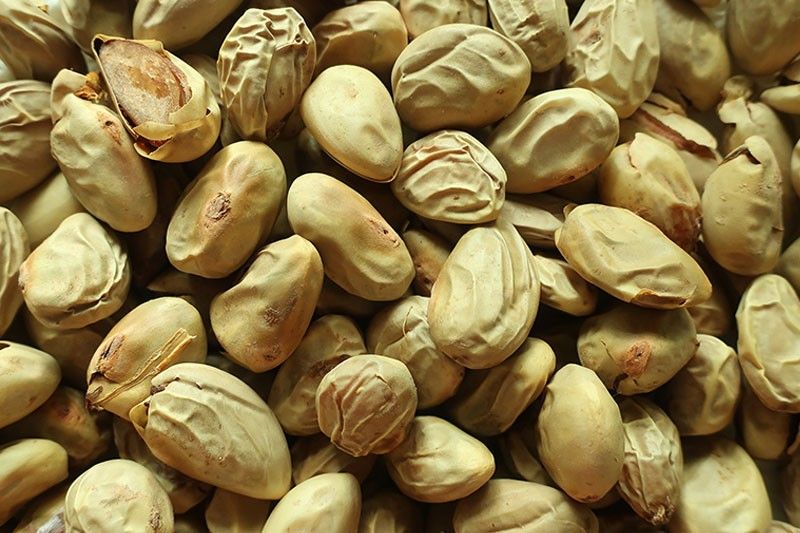
MANILA, Philippines — Locally known as simply Langka, jackfruit is a gigantic fruit with a sweet, distinctive aroma that simply seeps through when it is ripe and ready to be harvested is very versatile indeed. When raw, it can be harvested, cut into small slices, and cooked into savory dishes, such as the Filipino favorite, Ginataang Langka, and that includes the seeds.
When ripe, Langka is so sweet, aromatic, and so delicious that you’d want to keep digging into the flesh and popping it into your mouth. Either you do just that — eat it as is, where is, at the moment — or combine it with saba bananas, wrap and roll in lumpia wrappers, and fry them into Turon, which is one of the Filipino people’s original favorite snacks.
Now, this is where the seeds come into the picture because Turon makes use of only strips of Langka flesh and the seeds, hard and inedible when ripe and uncooked, are discarded.
So, what do you do with Langka seeds? Plant a seed or two and hope that it grows into a tree? Or throw them away altogether?
Don’t throw away the seeds because you can make them into a healthy snack that you can munch on.
Highly nutritious, Langka seeds are rich in dietary fiber, potassium, and powerful antioxidants, such as flavonoids and saponins. They also contain complex B vitamins, specifically thiamine and riboflavin. Together, they help regulate blood sugar, lower blood pressure and bad cholesterol (LDL), promote digestive health, and boost the immune system. They are, therefore, good for the heart, digestive system, and immunity, and they promote skin and hair health, too, with their vitamin, and iron content.
But — and this is a big "but" — never eat Langka seeds raw. They are inedible at this raw stage because they contain antinutrients, such as tannins and trypsin inhibitors, that may impair nutrient absorption.
So, always cook Langka seeds. Simply gather the seeds, boil them for 20 to 30 minutes in a pot filled with water to cover all seeds. Let them dry a bit. Remove the white outer covering or peel, and eat the seeds with the brownish skin that clings to them much like the brownish skin of almonds, pecans and walnuts. Or you can roast them for a few minutes if you want a more nutty taste, and enjoy!
RELATED: Season's bounty: Best way to enjoy Caimito this summer