The hidden gift economy behind kaizen and lean

Two days before a week-long business trip to Europe, Marco experienced a minor pre-flight panic. He realized his potted ferns would wither in the heat and his terrier, a furry little dictator with a strong preference for beef meals, needed someone reliable to check in twice a day.
He didn’t draft a formal service agreement, calculate a “watch-and-feed” hourly rate or pull out a deposit payment in Euros. He simply walked over to Tommy, his next-door subdivision neighbor, handed him a spare house key and asked if he could step in to watch over his house.
Tommy, with a warm smile, didn’t hesitate. They had been friendly neighbors for more than 15 years, long enough for them to endure home renovation noises and terrible karaoke nights.
Whenever Marco passed the subdivision guardhouse, he picked up Tommy’s parcels, so they wouldn’t sit out inside the run-down guardhouse where insects and cobwebs covered the area.
Neither of them kept a ledger of favors, mainly because no one wanted to do the math. There was no transactional invoice – just a quiet understanding built on trust, reciprocity and long-term relationship, rather than material compensation.
In psychological terms, those countless, small, unprompted acts of kindness were steady deposits into each other’s emotional bank account.
Gift economy
This arrangement is called the gift economy. In the corporate world, the same dynamic often goes missing when departments treat one another like rivals rather than treating them as partners. In a factory, for instance, the packing section refuses to take extra pallets because “that’s Logistics’ problem.”
Maintenance waits for a formal approval before tightening a loose bolt, while operators keep quiet about minor problems for fear of being suspected of sabotage.
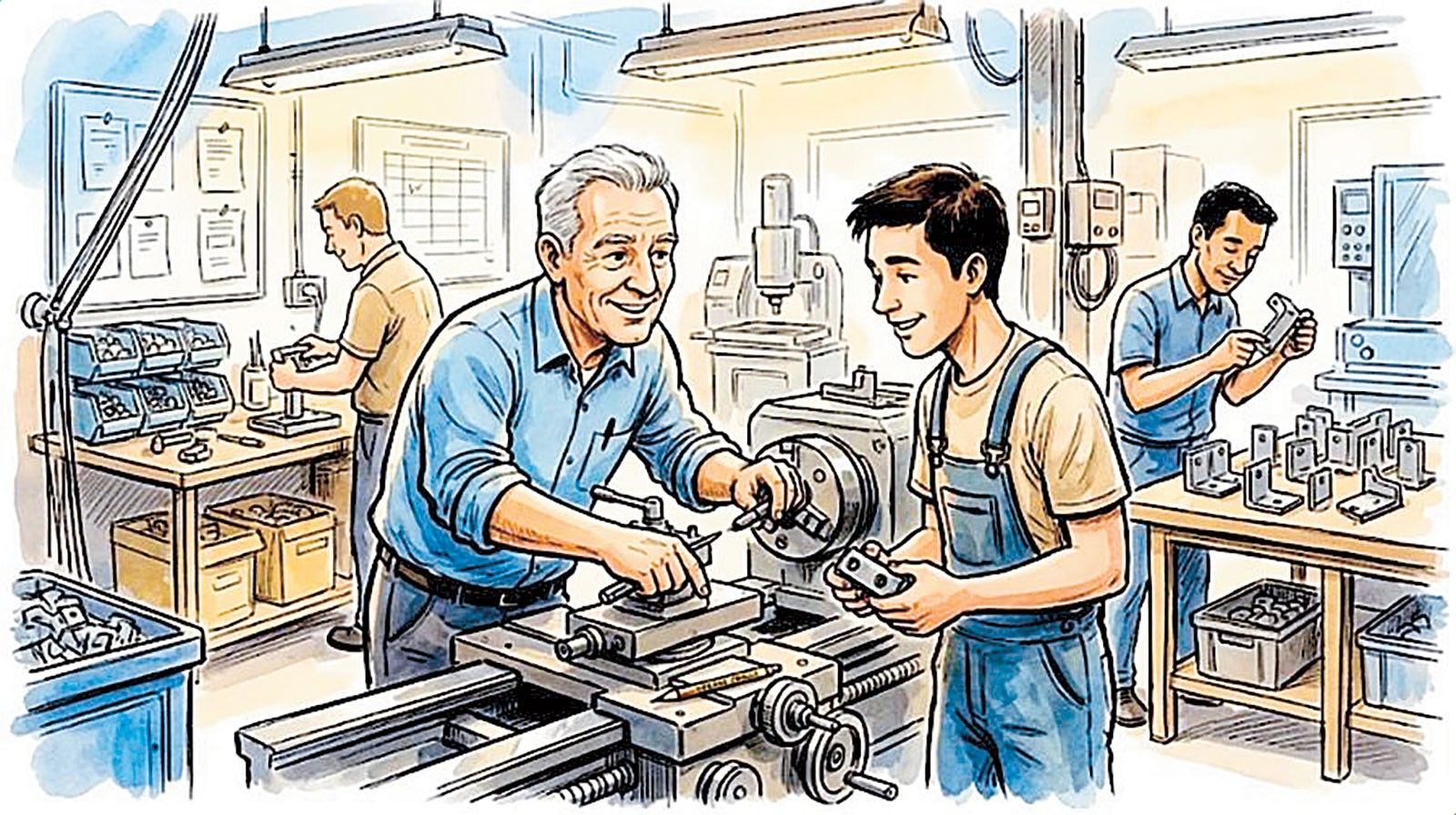
It’s different in one plant that I visited recently. Its leadership is committed on sustaining a culture of trust. Everyone is treated like a member of the family rather than cogs in a transactional business.
One example cited by the factory manager is the case of Ramon, a senior machinist who noticed that many junior operators in the night shift were struggling with an old equipment that caused frequent micro-stoppages.
Nobody asked Ramon to stay for an unpaid 30 minutes past his day shift. Yet Ramon lingered, showed them a quick trick to align a jig without forcing it. He even left a marked grease pencil right where they were needed.
The next morning, the night-shift lead didn’t just thank Ramon. He spotted a recurring defect on a batch of brackets into Ramon’s station and sorted out the bad pieces before Ramon even turned on his machine.
Nobody billed anyone. They were simply exchanging the “gifts” of attention, care and time.
Human initiative
What’s the gift economy to Kaizen and Lean Thinking (KLT)? It depends heavily on human initiative, psychological safety and frontline problem-solving.
Management can always introduce 5S, flowcharts, visual boards and standard work all day long, but still people rarely volunteer their best ideas or extra effort in a climate of fear or strict quid pro quo.
In a workplace with high-trust environment, KLT stops feeling like everyone is pushing a boulder uphill and starts looking like neighbors tending the same garden and feeding the same dog together. It happens when the following unwritten rules are observed:
1. Ideas are gifts, not obligations. When employees feel safe and trusted, sharing a small improvement or flagging a near-accident situation feels like helping a family member or a neighbor rather than doing unpaid extra labor.
2. Cross-functional flow removes hidden waste. Waiting, delays and defensive silos shrink when teams act like friendly neighbors instead of fierce competitors. A quick heads-up or a small intervention upstream prevents major headaches downstream.
3. Emotional bank deposits sustain momentum. A KLT program isn’t a one-week campaign. It’s a daily habit embraced by everyone. Every time leaders listen without judgment or peers bail one another out during a crunch, they deposit into the shared emotional bank account.
In conclusion, before launching your next quality and productivity program, reflect on the following statement: Build trust first and people become more willing to help one another eliminate the problems that management cannot solve alone.
Rey Elbo is a quality and productivity activist. Send your stories, comments or questions to [email protected] or via Facebook, LinkedIn, X or https://reyelbo.com




- Latest
- Trending