At a turning point: Toward ‘frictionless’ HR
MANILA, Philippines — If you are an employee, chances are you have a memorable story about filing for vacation or sick leave. A missing signatory? HR nowhere to be found? Or perhaps just a mountain of paperwork to get through.
Did it frustrate you? If so, you are not alone. Traditional human resources (HR) processes have increasingly become a pain point for many employees, according to industry players.
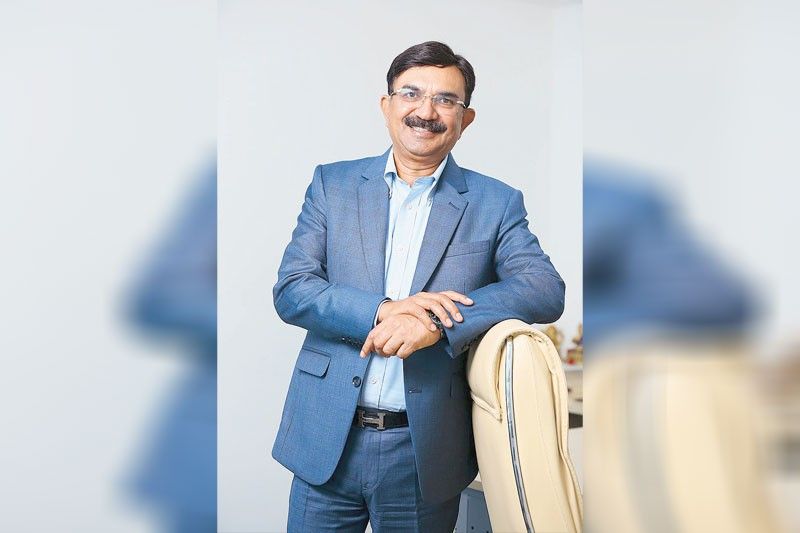
AscentHR CEO Subramanyam Sreenivasaiah describes these as “friction points,” which can include administrative requirements, cumbersome processes and even career progression.
But these friction points have evolved, too– and have gone digital. Common examples of digital friction include fragmented workflows, such as having to log into multiple systems to complete a simple request, repeatedly entering the same information across platforms and waiting days for basic requests to be processed, as well as struggling to access basic records like payroll and leave.
“Individually, these hurdles may seem minor, but their cumulative effect quietly erodes productivity and employee trust,” Sreenivasaiah told The STAR.
“Digital friction ultimately becomes toxic when employees spend more energy navigating clunky internal systems than doing the actual work they were hired to do,” he added.
Becoming a frictionless workplace
The challenge to HR leaders today is to make their workplaces more “frictionless,” Sreenivasaiah pointed out.
A frictionless workplace, Sreenivasaiah said, is not a “utopian” environment free of challenges. Rather, it is an ecosystem where administrative bureaucracy does not stand in the way of meaningful work.
“Policies are transparent, systems talk to each other and routine tasks are executed without excessive waiting periods. Achieving this requires leaders to audit how work actually flows across departments,” he said.
One way to do this is to capitalize on available technology while carefully considering where employees lose time and energy in the workflow.
Firms like AscentHR provide companies with products and solutions they describe as “future-of-work,”combining integrated HR technology with managed services.
Some of the firm’s platforms, such as PowerPay and StoHRM, allow organizations to bridge “operational complexity with the seamless, dependable experience employees expect from day one to final exit.”
HR leaders must learn to challenge long-standing processes within their companies to ensure they don’t create “unnecessary work without improving outcomes.”
One benefit of improving bureaucratic processes within a company is that it allows HR to redirect resources and effort toward listening, coaching and supporting employees.
“One of my biggest pet peeves is unnecessary bureaucracy, particularly when employees must navigate complicated processes just to complete simple tasks,” Sreenivasaiah said.
“Every unnecessary layer of approval or repetitive form sends a message that the organization’s processes matter more than people’s time,” he added.
Sreenivasaiah emphasized that efficiency is not about making “people work faster,” it revolves around “removing distractions” so employees can focus their energy on creating value in their work.
Challenges and opportunities
Sreenivasaiah said the country’s HR industry has a huge opportunity to use technology and workforce data to make its systems more proactive, personalized and strategic.
The challenge, he said, is that many organizations still manage modern workforce expectations through fragmented systems and legacy processes.
“Throughout my career, one thing that stands out is that people rarely respond to policies alone; hence, they respond to how those policies make them feel and how consistently they are applied,” he said.
“Trust is built through everyday experiences, especially during moments that matter to employees,” he added.
The AscentHR executive said the future of HR would be defined by how intelligently it uses technology in workplaces. However, Sreenivasaiah cautioned that technology should augment, not replace, human judgment in HR work.
“My ideal HR is one that people do not only turn to when there is a problem, but one they trust as part of their everyday working lives. It understands that policies may be standardized, but people and their circumstances are not,” Sreenivasaiah said.
“Good HR creates clarity, fairness and confidence — from the moment someone joins an organization to the moment they move on. It should help people do their best work while giving leaders the insight and confidence to build organizations where people genuinely want to stay,” he added.
Lending more ears
HR leaders must also be more mindful and attentive to employees’ needs amid the changing needs of different generations of workers.
For example, Gen X, millennials and Gen Z workers all seek “meaningful work, fairness and support” in the workplace. But their points of frustration vary depending on their backgrounds and career progression.
“For Gen Z, the biggest concerns appear to be stress, heavy workloads and a lack of flexibility. These common frustrations are not very different from the daily work challenges faced by other generations,” Sreenivasaiah said while noting that the latest industry data showed that 39 percent of Filipino Gen Z workers regularly experience anxiety or dread going to work.
“However, millennials place greater value on supportive workplaces and positive relationships with colleagues, alongside a sense of purpose and alignment with company values. For Gen X, work-life balance, career advancement, and company growth are stronger drivers of workplace satisfaction,” Sreenivasaiah added.
He also pointed out that HR leaders must realize that “one-size-fits-all” policies are “increasingly ineffective.”
The Gen Z lot
The AscentHR executive noted that traditional HR processes like paperwork, multiple approvals and long waiting periods are becoming “unnecessarily” frustrating for Gen Z employees.
This frustration stems from the fact that the youngest working generation grew up with digital services that are fast, intuitive and available on demand.
“They often evaluate the workplace experience using the same expectations they bring to everyday digital platforms,” Sreenivasaiah said.
“However, this doesn’t mean Gen Z simply wants more technology; they want technology that makes work simpler and gives them greater autonomy. When HR systems create unnecessary friction, young employees may interpret it as a sign that the organization does not respect their time,” he added.
Going beyond remuneration
Retaining talent in a workplace is not just about making a “better” offer, Sreenivasaiah emphasized.
“It is about giving employees a reason to believe their future can grow within the organization,” he said.
For more than half of Gen Z professionals in the Philippines, career growth opportunities are the main reason they stay with their current employer, Sreenivasaiah said.
“This tells us that retention is increasingly tied to visibility: employees want to see where they can go, what they can learn, and who will help them get there,” he said.
Given this context, firms must go beyond attractive employer branding and must make growth tangible through meaningful development, mentorship and supportive managers to retain talent, he added.
“The real test is whether the everyday experience matches the promise. Young employees are more likely to stay when an organization does not simply tell them they have a future, but actively helps them build one,” Sreenivasaiah said.





- Latest
- Trending