BSP: Inflation yet to peak; matching Fed hikes likely
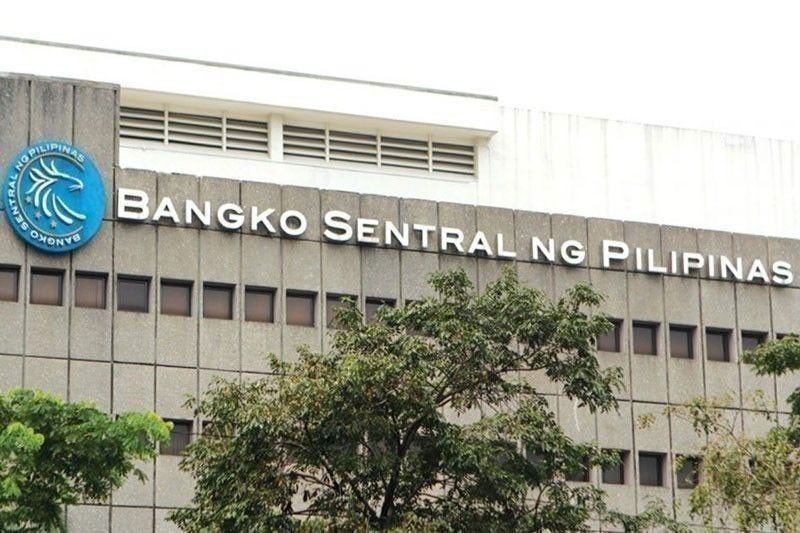
MANILA, Philippines — The Bangko Sentral ng Pilipinas (BSP) expects inflation to peak by the end of the year after sizzling to a 14-year high in October.
In a television interview with Bloomberg TV yesterday, BSP Governor Felipe Medalla said inflation has yet to peak.
“Of course anything can happen, but our guess is that it will peak either next month or the last month of the year. So our forecast is by the second half of next year, it will be below four percent already,” he said.
Headline inflation – the rate of increase in the consumer price index – zoomed to 7.7 percent in October on more expensive food, oil and transport prices. This was the highest in 14 years or during the 2008 financial crisis.
The latest inflation figure is within the BSP’s forecast range of 7.1 to 7.9 percent, consistent with its assessment that inflation will remain above target over the near term as price pressures broaden and signs of further adverse second-round effects emerge.
This brings average inflation to 5.4 percent, closing in to the 5.6 percent assumption for the whole of 2022.
Medalla said inflation would start to decelerate next year amid easing global oil and non-oil prices, negative base effects from transport fare adjustments, and as the impact of the BSP’s cumulative policy rate adjustments take hold on the economy.
“The reason we raise policy rates is we want to increase the likelihood that by the second half of next year, headline inflation will be within target, and unless there are new shocks, that will be true as well for the rest of 2024,” Medalla said.
The BSP noted that risks to the inflation outlook appear to be tilted to the upside for 2022 and 2023, but are seen to be broadly balanced for 2024.
Medalla said the potential impact of higher global non-oil prices, additional transport fare hikes, increased food prices owing to weather disturbances, and sharp rise in sugar prices are the major upside risks to the inflation outlook.
On the other hand, the impact of a weaker-than-expected global economic recovery is the primary downside risk to the outlook.
Should inflation continue to be stubbornly high, Medalla said the BSP may continue matching the aggressive hikes delivered by the US Federal Reserve.
“It depends on the inflation picture. If it’s clear already that the inflation rate is decelerating, we may not have to match, but if inflation remains high, then we have to match. But it’s still too soon to say,” Medalla said.
He had said the BSP would deliver a 75-basis-point hike during its rate-setting meeting on Nov. 17 as a preemptive move to prevent the peso from depreciating further.
This came after the US Fed raised rates by 75 basis points, its fourth consecutive time to do so with that size and its sixth rate hike for the year.
With the 75-basis-point increase two weeks from now, the benchmark interest rate will hit five percent.
So far, the BSP has hiked interest rates by 225 basis points, bringing the overnight reverse repurchase rate to 4.25 percent from an all-time low of two percent, to tame inflation and stabilize the peso.
By December, the Fed is projected to deliver another rate hike although slightly lower at 50 basis points.
Some economists are already expecting the BSP to match the Fed’s move anew, which could bring the benchmark rate to 5.5 percent by yearend.
Medalla said the BSP remains prepared to take all further monetary policy actions necessary to bring inflation back to the target over the medium term.
The BSP also calls for the timely implementation of non-monetary government interventions to mitigate the impact of persistent supply-side pressures on inflation.





- Latest
- Trending