


The cost of floods

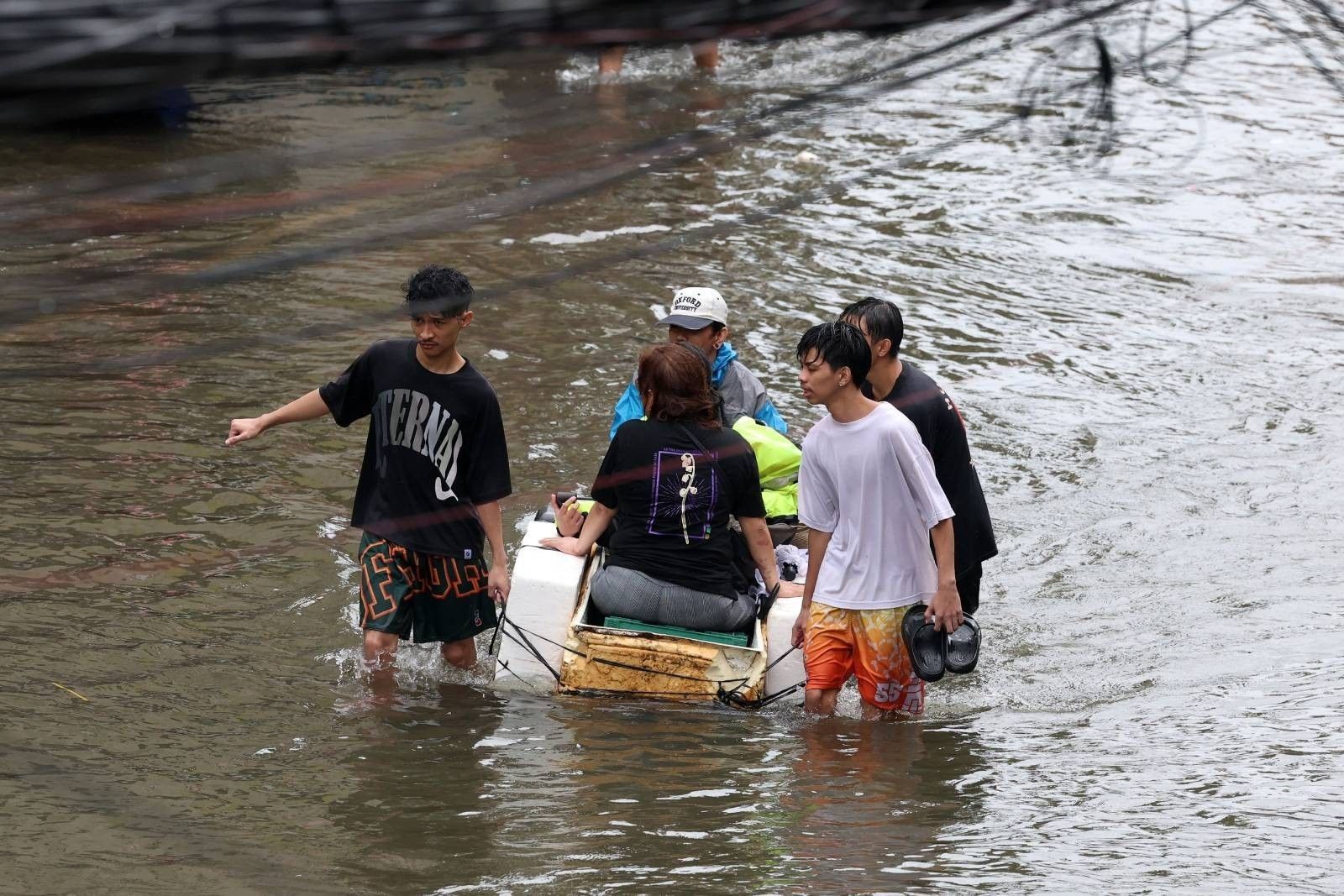
Year after year, the rains expose the same weaknesses in Metro Manila. The rain comes. Then, streets turn into rivers. Homes are flooded, destroying appliances, furniture and other hard-earned investments accumulated over years of sacrifice that many could not afford to replace. Families evacuate. Commuters are stranded. Vehicles either stall or just float. Businesses shut down. Workers lose income. Students miss school. The floodwaters eventually recede, but the underlying problems remain exactly where we left them.
In the aftermath of rains, we saw an especially disturbing image – a virtual sea of garbage clogging the waterways of Parañaque. More than 200 truckloads of garbage were hauled from the Redemptorist Water Channel after days of monsoon rains. It was shocking, but it should not have been.
For years, we have treated flooding as though it were an unavoidable part of Filipino life. We shrug and blame it on the rainy season and our continued exposure to typhoons and storms. Yet many countries face heavy rainfall without seeing entire communities submerged every few months. The difference is not just nature. It is preparation, governance and discipline.
But to be fair, the recent rains were extraordinary. The Metropolitan Manila Development Authority reported that Metro Manila received 201 millimeters of rain in just five hours during the height of the southwest monsoon. Th existing drainage systems were overwhelmed. Climate change is clearly making weather patterns more intense and less predictable.
But the weather should not become the convenient excuse for everything.
The sea of garbage in Parañaque tells us that many of our flood problems are self-inflicted. The Department of Environment and Natural Resources (DENR) collected more than 1,200 sacks of waste from clogged waterways across Metro Manila after the flooding. Plastic bottles, food containers and household waste do not just disappear after we throw them away. Eventually, they find their way into canals, rivers and drainage channels, where they become barriers. The reality is uncomfortable: many Filipinos continue to litter despite knowing better.
Yet it would also be unfair to place all the blame on ordinary citizens. Government cannot lecture people on discipline while failing to provide systems that work. Reports say that Metro Manila generates around 10,000 tons of garbage a day. In many communities, especially densely populated urban areas, waste collection remains inconsistent and disposal facilities remain inadequate. If we are serious about changing behavior, we must make proper waste disposal easier and more accessible.
And then there is the bigger issue many Filipinos have been asking about. Where did all the flood control money go?
Sen. Panfilo Lacson recently noted that some P2 trillion has been spent on flood control projects since 2011. Think about that number – P2 trillion. After spending that much money, should Metro Manila still be flooding this badly?
Taxpayers have every right to ask all the hard questions- especially since it’s hard-earned money that goes to government coffers. For years, stories have circulated on flood-control projects that were poorly designed, poorly implemented or suspiciously overpriced. Corruption in infrastructure is not just a financial crime. It has real human consequences. Money stolen from flood-control projects eventually returns in the form of flooded homes, damaged livelihoods and disrupted lives. Every peso lost to corruption becomes another inch of floodwater somewhere.
Still, I do not believe this is a problem that can be solved by finger pointing alone. We need accountability, certainly. But we also need a national commitment that goes beyond political cycles.
One of the most sensible observations raised recently was the need for a long-term flood control master plan that survives changes in administration. Too often, each government wants to leave its own signature project. Floods do not care about politics. Water follows geography, not election calendars.
We need projects planned over decades. We should also embrace transparency. Every flood control project should be visible to the public online, including budgets, contractors and implementation status. Citizens should know exactly where their money is going.
At the same time, local governments must finally enforce waste-management laws seriously. More collection points, more materials recovery facilities and stricter enforcement of anti-littering measures would go a long way. So would restoring rivers, protecting green spaces and modernizing drainage systems to cope with a new climate.
Most importantly, we need to recover a sense of shared responsibility. The battle against flooding is not fought only in waterways and pumping stations. It is fought in our homes, neighborhoods and communities. The sight of garbage floating through Parañaque should unsettle all of us. It is easy to blame government – much of that criticism is justified. But those waterways also reflect the habits we have tolerated for far too long. In many ways, all the trash clogging our canals is a visible reminder of a deeper neglect shared by institutions and citizens alike.
As someone who has watched this issue resurface decade after decade, I understand why many Filipinos have become cynical. We have heard the promises before – most were unfulfilled.
Yet I remain optimistic. I see younger Filipinos becoming more conscious about the environment. I see communities cleaning rivers and canals. I see stronger public demand for transparency and accountability. Most of all, I see a growing recognition that flooding is not a fate we Filipinos simply have to accept.
The problem was created over many years. Solving it will take time.
But if honest governance can finally meet responsible citizenship, perhaps the next generation will inherit a Metro Manila where flood season is no longer synonymous with suffering.
That is a future worth working for, fighting for – and one I still believe is possible.



- Latest
- Trending


