Super El Niño may push power grids into red alerts, warns DOE
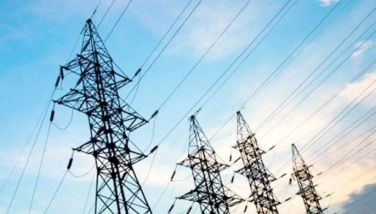
MANILA, Philippines — The Philippines could face power shortages across all three major grids during the coming Super El Niño, with the Department of Energy warned.
Energy Secretary Sharon Garin said at a press briefing Monday, November 9, that higher temperatures could strain electricity supplies by reducing power plant output while driving up demand.
The government expects the El Niño to peak toward the end of 2026 and persist into early 2027.
Hydropower plants are expected to be the most affected, operating at only 40% capacity.
Solar plants, meanwhile, could see their output limited to around 80%. Coal, natural gas and oil-fired plants may also experience disruptions.
Garin said every 1-degree increase in temperature translates to an additional 100 megawatts in electricity demand.
Battery energy storage systems, which store electricity for dispatch when needed, currently add only 253 MW of capacity to support the country's power grids.
Red alerts possible in all 3 grids
Without additional intervention, the Visayas grid could experience around four red alerts, while Luzon and Mindanao could face one and two, respectively, according to the DOE's projections.
A red alert indicates that power supply is insufficient to meet consumer demand and the grid's required operating reserves, raising the risk of power interruptions.
Yellow alerts, which signal insufficient operating reserves, may also be raised as extreme temperatures put further pressure on generating facilities.
"Many of our plants are old, and many of our plants are non-compliant. When it's hot, they break down. Sometimes. there are unplanned outages because of things we don't have or weren't able to do. So, if you ask me, 'Will there be no plants that will go on unplanned outage? Are there any plants that will break down?,' we cannot assure that," Garin said.
DOE looks for backup power
The DOE is exploring additional generating capacity to reduce the risk of supply shortages.
"We're trying to find more barges to come in. It takes about three months for them to come in. We're coordinating with whoever has barges here in the country or deisel and coal plants on standby. We're doing our inventory and also preparing the private sector," Garin said.
She said the additional capacity would serve as a backup if actual supply conditions turn out worse than the department's projections.
Despite the risks, Garin sought to reassure the public, saying that "only the department needs to worry right now."
The Philippines remains under a state of national energy emergency over by conflict in the Middle East.
Higher energy costs helped push inflation to a three-year high in October and weighed on economic growth in the third quarter of 2026.
Dry conditions are also spreading across the country, with five provinces experiencing meteorological drought, 11 under dry spells and 10 reporting dry conditions.








- Latest
- Trending