‘Peso recovery hinges on lower oil prices’
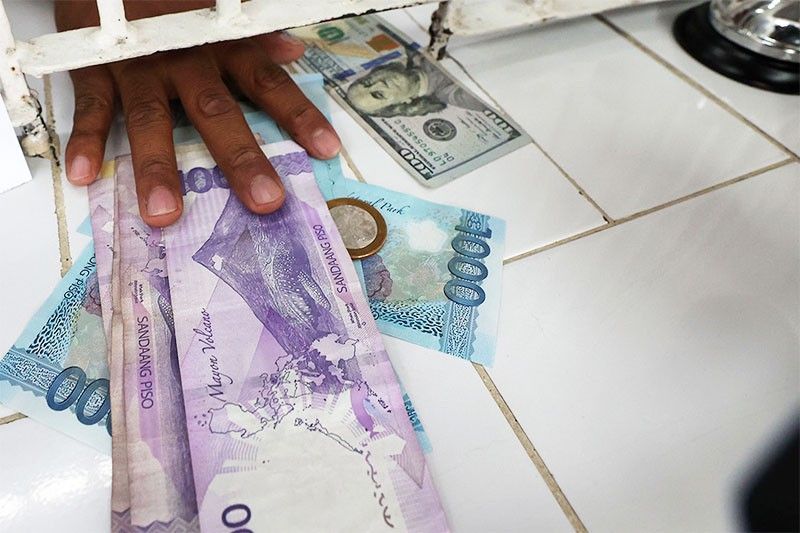
MANILA, Philippines — The peso may find temporary relief from easing oil prices and stronger holiday remittances, but a sustained recovery remains unlikely unless crude prices fall below $70 per barrel and the country’s external deficits narrow, according to Bank of America (BofA) and Citi.
In a report, BofA emerging Asia forex strategist Abhay Gupta said the local currency could stabilize near current levels as declining oil prices ease pressure on the Philippines’ import bill.
However, Gupta warned that the peso’s medium-term outlook would remain weak unless Brent crude falls to around $70 per barrel and the country’s basic balance deficit narrows to two to 2.5 percent of gross domestic product (GDP).
The basic balance measures the combined position of the current account and foreign direct investment flows, providing an indication of the country’s underlying external financing needs.
BofA noted that the Philippines’ current account deficit, which reflects the gap between money flowing into and out of the country through trade, income and transfers, widened to 6.3 percent of GDP in the first half from 3.5 percent in 2025.
Energy imports rose to 4.5 percent of GDP as of September from 3.4 percent last year, while weaker business process outsourcing revenues and slower remittances added pressure.
BofA expects seasonal remittance inflows ahead of Christmas to provide additional support, particularly in November and early December.
Similarly, Citi chief Asia economist Johanna Chua said the peso remained vulnerable to oil price movements and could underperform other Asian currencies.
“Peso is very sensitive to oil. So that is something that we obviously need to watch very closely,” Chua said during a media briefing.
Citi expects the peso to reach around 64 per dollar by March 2027, reflecting continued pressure from global dollar strength and the country’s external imbalances.
The peso hit a record low of 64.17 to $1 on Oct. 27 but rallied back to the 62 to $1 level.
Chua said Asian currencies benefiting from artificial intelligence-related investments and strong current account surpluses were better positioned than the peso.
Meanwhile, BofA said the Philippines’ inclusion in JPMorgan’s Government Bond Index-Emerging Markets could attract $4 billion to $5 billion in passive investment flows over 10 months beginning January 2027.
However, it cautioned that foreign exchange weakness, elevated interest rates and market liquidity constraints could delay or reduce these inflows.
BofA also said the Bangko Sentral ng Pilipinas retained room to smooth excessive currency volatility despite the decline in its foreign exchange reserves.





- Latest
- Trending