Senators suspect cover-up in PhilHealth roof leak
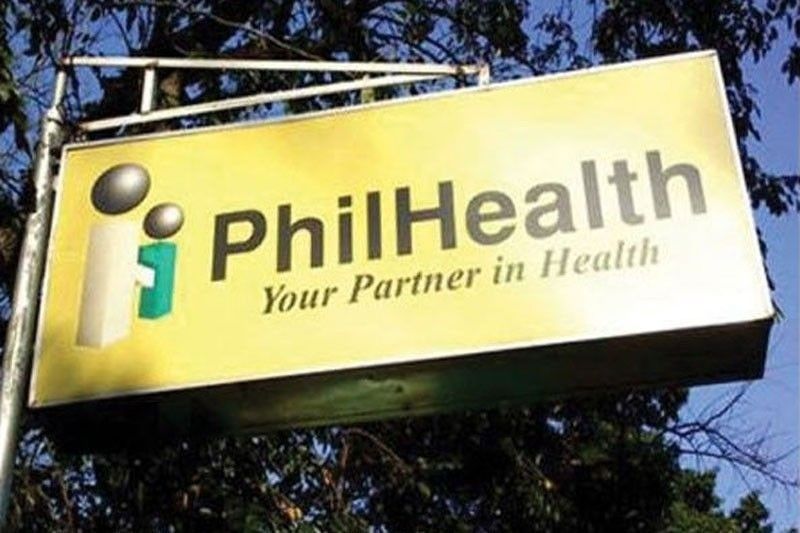
MANILA, Philippines — Senators have expressed suspicion that the roof leak in one of the Philippine Health Insurance Corp. (PhilHealth) offices in the Ilocos Region, which allegedly damaged computers and other equipment, was intentional and part of efforts to cover up the reported anomalies in the agency.
“It seems the so-called mafia has called on the cleaners,” Senate President Vicente Sotto III said yesterday.
Sen. Bong Go, chairman of the committee on health, called on the task force recently created to investigate the anomalies to also look into the incident, with help from the National Bureau of Investigation and other concerned agencies.
“I don’t want to preempt the results of the investigation, but we must find out if this (leak) was just the result of rains, negligence or is intentional to destroy documents,” Go said.
Sen. Panfilo Lacson believes there is enough reason to suspect that the destruction of documents and records caused by the roof leaks in the PhilHealth’s regional office in Pangasinan was intentional.
“In fact, when the incident was reported to my office, I advised the lead PACC investigator who was still in the area, thru a member of my staff to seek the assistance of the NBI to immediately conduct forensics on the damaged portion of the building to determine if force was applied to cause the water leaks,” he said.
Commissioner Greco Belgica of the Presidential Anti-Corruption Commission (PACC) said the roof leak incident in the PhilHealth Region 1 office – already under investigation for reported failure to act on at least 200 alleged fraudulent claims including those involving “ghost patients” – is being investigated.
He fears though that the incident might affect the body’s probe into controversial issues, like the alleged favoritism of PhilHealth officials in disbursing hundreds of millions of pesos to hospitals under the agency’s Interim Reimbursement Mechanism (IRM) meant to help medical institutions to continue operating amid the coronavirus disease pandemic.
Health Secretary Francisco Duque III earlier suspended the IRM, which senators said was a source of corruption where PhilHealth officials allegedly release funds to some hospitals with very few or no COVID-19 patients.
Senate Majority Leader Juan Miguel Zubiri said he feared such incidents would happen when the chamber started probing the alleged anomalies at PhilHealth.
“We urge the executive (branch) and the Ombudsman to immediately implement the suspension orders and appoint trustworthy OICs so that the important documents can be protected,” Zubiri added.
PhilHealth privatization opposed
Meanwhile, senators also opposed the suggestions to privatize PhilHealth, saying this move would go against the very purpose of providing socialized health care for all Filipinos, especially the poor.
Sen. Manny Pacquiao warned that privatizing PhilHealth would make it a profit-driven organization, just like all other private health insurers, and would immediately impact on members who will have to pay higher premium. This would, in effect, deny the poor affordable health care.
“PhilHealth is run by the government because it has no other aim but to give cheap and sufficient health care to our countrymen, including the poor. This is public service, not a business. Once PhilHealth is privatized, members will be paying higher (contributions) because it needs to make profit like other health insurance providers,” he said in Filipino.
He added that the proposal would just shield its officers from corruption and plunder cases. Once PhilHealth is privatized, the people who plundered the agency can only be sued for estafa or civil damages.
“The best thing is to jail its corrupt officials instead of privatizing PhilHealth,” he suggested as he noted that privatization would run counter to Republic Act 11223 or the Universal Health Care Law, which promises to provide universal health care coverage for all Filipinos and which he co-authored.
For Sen. Joel Villanueva, corruption will still happen “if transparency and accountability mechanisms are insufficient and public welfare is not priority.”
“In our current situation, we have to make sure that those responsible will be held to account. We also have to make sure that individuals working in PhilHealth are there because of their competence and commitment to serve the people and not because of their political connection and self-interest,” he stressed.
Sotto suggested that decentralizing PhilHealth to the local government units be studied, citing the experience of Isabela, which had a successful health insurance system in place years before.




- Latest
- Trending