Philippines handlooms weave their way into the digital age
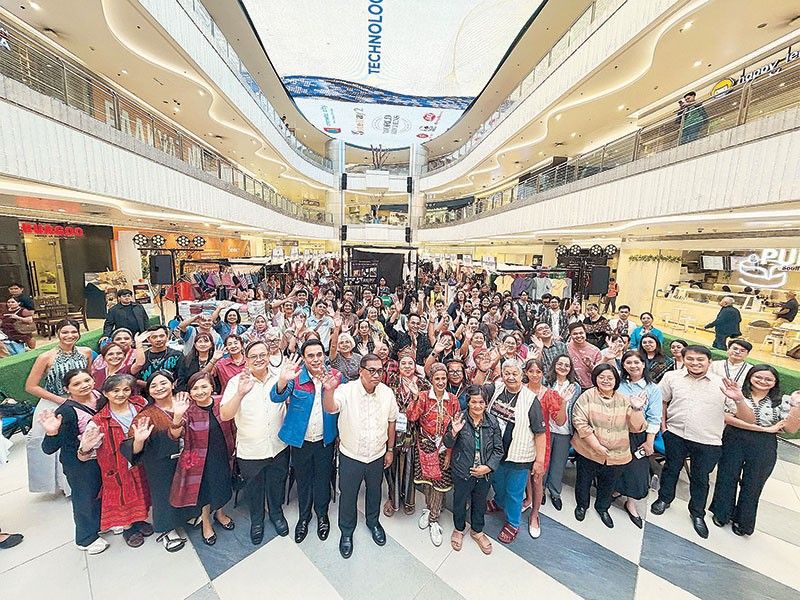
MANILA, Philippines — The Department of Science and Technology (DOST) is preparing to roll out a digital passport for Philippine handloom textiles to help them comply with European Union (EU) requirements and curb counterfeit products.
The digital product passport (DPP) will provide verifiable information on a textile’s composition, origin, supply chain, environmental footprint, durability and recyclability.
Accessible through a QR code or radio-frequency identification (RFID) tag, the passport will allow consumers and regulators to trace a product throughout its life cycle.
The DPP is expected to become increasingly important as the EU moves to require such information for products sold across its 27 member states by 2030. Products without a DPP will not be allowed to enter the EU market.
The central EU DPP registry went live on July 19, with textiles and apparel first in line among “final products” to be covered by the new regime beginning in 2027, followed by tires in 2028, furniture in 2029 and mattresses in 2030.
The DOST will use the infrastructure under its four-year-old initiative, the DigiTELAzation Program, to issue DPPs on locally handwoven textile products soon.
Under the Philippine Textile Research Institute (PTRI), the DigiTELAzation Program brought digital technology into weaving communities across the country through initiatives that include the scoping and documentation of local textiles, digitization of weave patterns and the development of covert technologies for textile authentication.
The complete list of Philippine handloom textiles is available in PTRI’s Salinhabi Mobile App.
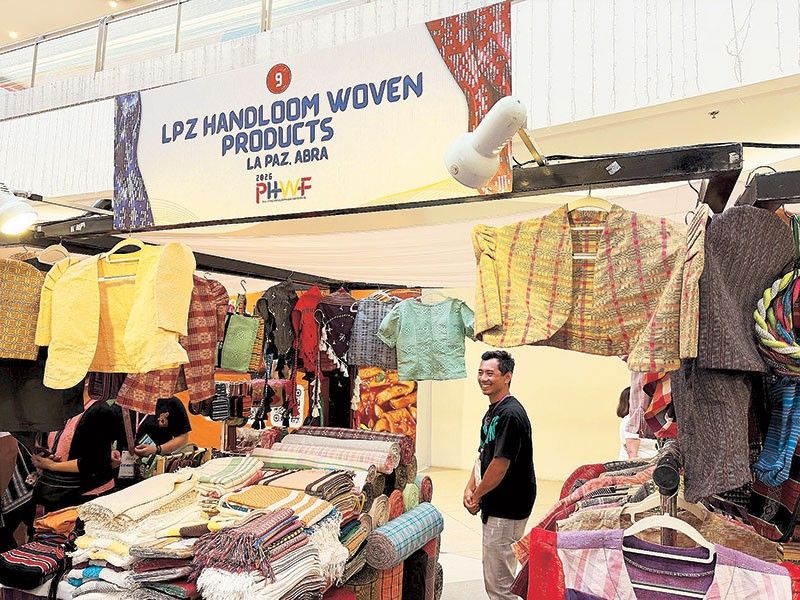
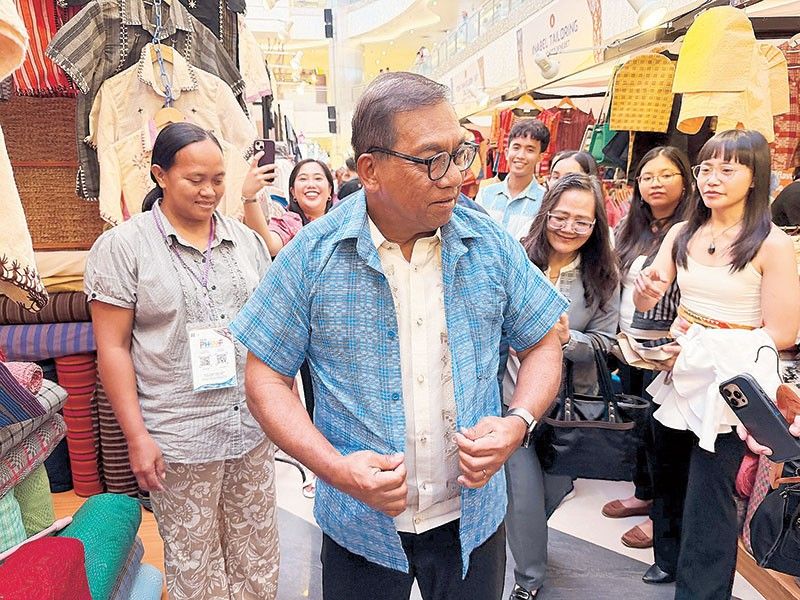
“We need to authenticate genuine textiles made and sold from a certain community,” DOST Secretary Renato Solidum Jr. said on the sidelines of the recently concluded Philippine Handloom Weaving Festival in Quezon City. “We will soon be using artificial intelligence and digital signs to authenticate further that a particular textile is woven in this community.”
Europe is an attractive destination for Philippine handwoven textiles. The EU is the Philippines’ fourth largest trading partner, with exports amounting to €9.5 billion in 2025.
“Europe is heavy on sustainability and the use of natural textiles and natural dyes. This will favor us if we have mass production of all of these,” Solidum said.
At the Global Textile Congress in September, Nikolaus Martys, an industrial development expert at the United Nations Industrial Development Organization, said Philippine textile value chains may face challenges in adopting DPP due to limited digital literacy and unreliable internet connectivity in rural communities where much of the production of handloom textiles takes place.
Still, Martys said, data would be critical to the future of Philippine handwoven textiles.
“What if the next competitive advantage of the Philippine textile industry was not something you could touch? Not a new fiber, not a new machine. Not even a lower production cost, but data,” Martys said.
“Data about where a product comes from, how it was made, what materials it contains, who produced it and what happens at the end of its life,” he said.



- Latest
- Trending