Group urges government: Treat critical infrastructure as strategic national assets
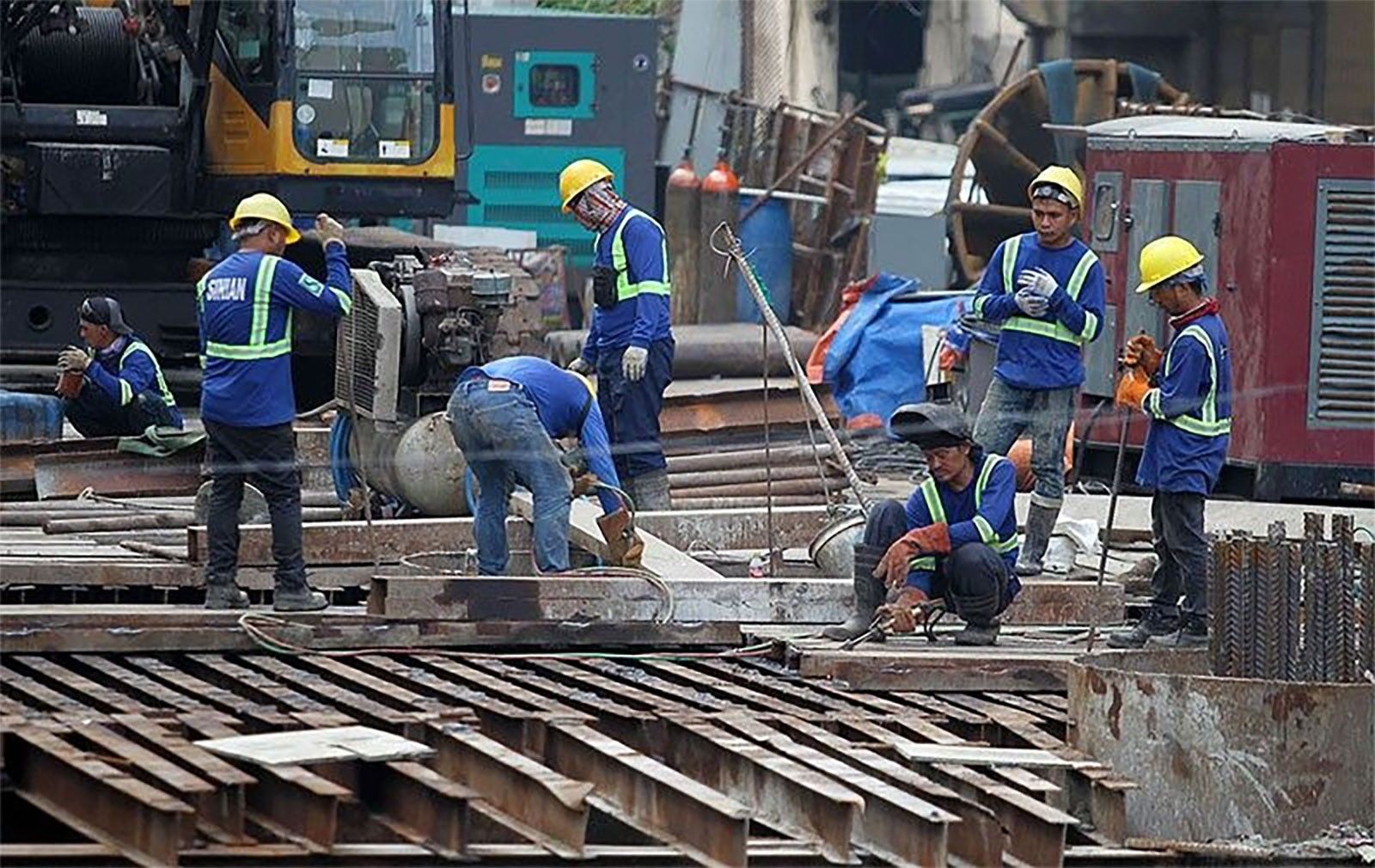
MANILA, Philippines — International think tank Stratbase Institute has called on government to strengthen and safeguard digital infrastructure, transportation connectivity, water and power as strategic national assets that are vital to economic growth, disaster resilience and national security.
Stratbase Institute president Dindo Manhit said the country’s push to develop the Luzon Economic Corridor (LEC) presents an opportunity to adopt a more integrated approach to protecting critical infrastructure systems that underpin economic activity and national resilience.
“The Luzon Economic Corridor is often discussed in terms of airports, seaports, railways, logistics hubs, industrial parks, and energy infrastructure. While these are important, the bigger question is whether the critical infrastructure systems that support them can remain operational during times of disruption,” Manhit said.
The LEC is expected to drive investments, strengthen supply chains, and expand manufacturing activity in Luzon.
Manhit said the initiative should prompt policymakers to rethink how critical infrastructure is viewed in national development planning.
“Digital infrastructure, transportation connectivity, water and power are no longer simply infrastructure sectors. They are strategic assets that enable trade, investment, public services, emergency response and economic activity,” he said.
He emphasized that telecommunications has evolved beyond a consumer service and now functions as critical infrastructure supporting commerce, logistics, health care, government services, emergency communications and business continuity.
Recent GSMA research showed that weather-related telecommunications outages affect approximately 215 million users globally each year and that many disruptions stem not from damage to telecom facilities themselves but from failures involving electricity, transportation access, fuel availability and other infrastructure.
“This demonstrates why resilience planning cannot be approached on a sector-by-sector basis,” Manhit said. “Transportation, power, water and communications systems are deeply interconnected. Weaknesses in one quickly affect the others.”
The think tank stressed that digital connectivity, transportation connectivity and power should receive top priority during emergency response and recovery efforts.
“Power and telecommunications have become the twin utilities of the digital economy,” Manhit said. “When power goes down, communications are often affected. When communications fail, recovery efforts become significantly more difficult. Both should therefore be prioritized for restoration during disasters, whether natural or man-made.”


- Latest
- Trending