Return of turboprops to NAIA under review
MANILA, Philippines — The Department of Transportation (DOTr) will review proposals to bring back turboprop operations in Manila as sought by the tourism chief in a bid to boost domestic travel.
Just a year after their transfer to Clark, turboprops — the aircraft made for shorter runways — may be allowed at the Ninoy Aquino International Airport (NAIA) again if regulators allow.
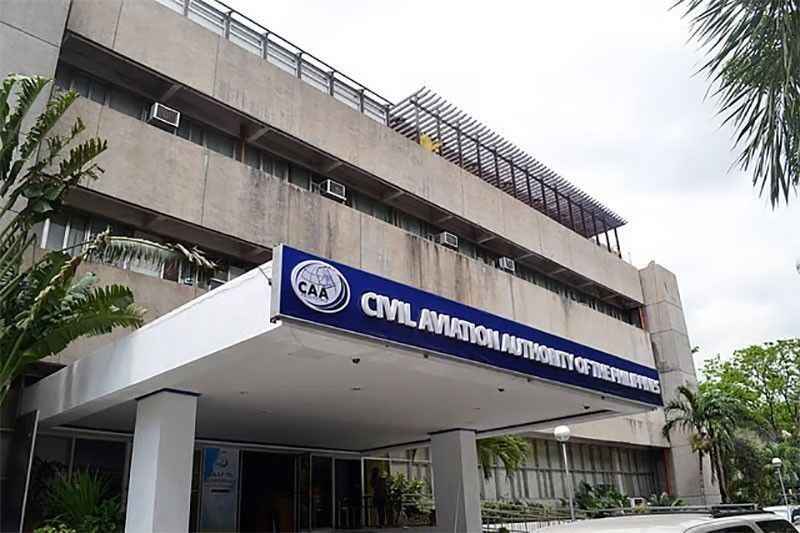
The Civil Aviation Authority of the Philippines (CAAP) confirmed that the return of turboprops in NAIA is now being reviewed by the Manila Slot Coordinating Committee (MSCC), of which the agency is a member.
CAAP deputy director general Danjun Lucas said the review has been initiated by transport chief Vince Dizon himself. Dizon asked the MSCC to develop a cost-benefit analysis on the impact of turboprops returning to NAIA.
“When there’s an issue like that, he’s always on top of that. He told us to review the commercial and tourism impact, financial impact and the operational impact,” Lucas said.
Airlines completed the transfer of their turboprops to secondary airports, particularly to the Clark International Airport, last year as instructed by the MSCC.
The relocation was meant to free up NAIA’s runway capacity, devoting it solely for jetliners that carry up to 400 passengers compared to just 80 for turboprops.
Turboprops are assigned by carriers mostly to island destinations, where airports have shorter or unpaved runways, such as Busuanga and Siargao.
However, Tourism Secretary Dita Angara-Mathay said the transfer made it harder for travelers to fly locally. From Manila, guests have to find themselves a ride, whether by public or private car, to reach Clark in more than two hours.
Still, it may be more difficult now to bring turboprops back to Manila. The MSCC would have to factor the performance requirements of NAIA operator New NAIA Infrastructure Corp. (NNIC), which is tasked to raise airport capacity.
A major requirement in the P170.6-billion rehabilitation of NAIA is raising aircraft movement to 48 hourly, from 40 right now.
On top of this, NAIA is gearing up for the entry of larger jets such as the Airbus A350-1000s and Boeing 787 Dreamliner for long-range flights, as these units will require more runway space.





- Latest
- Trending