Who will preside over VP Sara's impeachment? Here’s what the rules say
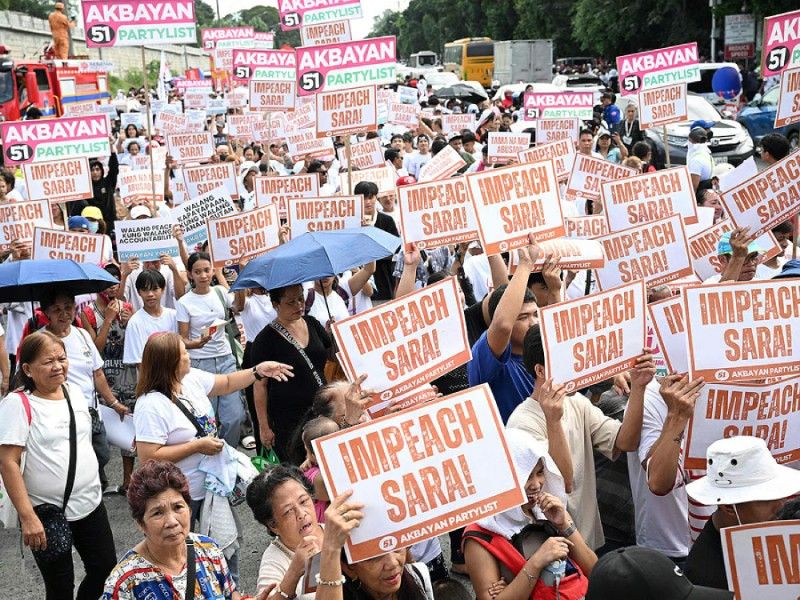
MANILA, Philippines — The country has not seen the impeachment of a public official in years. But on February 5, the House of Representatives took a decisive step by impeaching Vice President Sara Duterte.
In a press briefing on Thursday, February 6, Senate President Francis Escudero said that the Senate will not take up the articles of impeachment against Duterte during the upper chamber’s break.
This means that the Senate will begin impeachment proceedings after the elections.
As mandated by the Constitution, the Senate will serve as the impeachment tribunal, similar to a regular court. And like any court, it requires a presiding officer.
But who will preside over Duterte’s impeachment trial?
Roles of the presiding officer
Like all senator-judges, the presiding officer in an impeachment trial must observe "political neutrality."
Under Resolution No. 39, or the 2011 Rules of Procedure on Impeachment Trials, political neutrality means carrying out official duties without bias or unfair discrimination, regardless of party affiliation or personal preference.
Issuing orders, mandates. The resolution also states that the presiding officer has the power to issue orders, mandates and writs, either directly or through the Senate secretary.
According to the rules of procedure, these orders must be authorized by the Senate’s rules. This also includes the authority to establish and enforce regulations and directives as permitted by the Senate.
Ruling on evidence. During the trial, the presiding officer serves as the judge on matters of evidence.
They have the authority to rule on all questions of evidence, including—but not limited to—materiality, relevance, competency and admissibility.
These rulings stand as the Senate’s judgment unless a member requests a formal vote. If that happens, the question is submitted to the Senate for a decision after brief arguments are presented.
The presiding officer may also choose to submit evidentiary questions to a Senate vote from the outset.
Administering oaths. Before the impeachment proceedings begin, the presiding officer is responsible for administering the prescribed oath or affirmation to all senators present, formally binding them to their duties in the trial.
What do the rules say about the presider?
When the president of the Philippines is on trial, the rules dictate that the chief justice of the Supreme Court shall preside, though they have no voting power.
It is worth recalling that during the impeachment proceedings against former President Joseph Estrada, the presiding officer was his appointee, former Chief Justice Hilario Davide Jr.
However, the rules specify that in all other impeachment cases, the Senate president shall preside.
“The president of the Senate shall preside in all other cases of impeachment and, for that purpose, shall be placed under the prescribed oath or affirmation by any person authorized by law to administer an oath.”
Following these rules, as outlined in Resolution No. 39, Senate President Escudero is expected to preside over Duterte’s impeachment proceedings in the next session of the Senate, unless the rules are revised.
Future of the rules
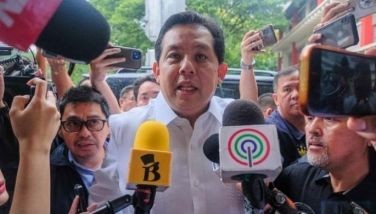
In an ambush interview with reporters, Escudero said that the Senate will need to review the impeachment rules, as they need to be “updated.”
He mentioned areas such as the requirement for judicial affidavits, the provisions and procedures for hearings before a commissioner, and the implementation of a robust pre-trial procedure to ensure a smoother and less complicated trial.
"Ito ang mga bagong procedures sa rules of court na pumasok bago po namin itinalaga 'yung aming rules on impeachment noon na kailangan po naming baguhin," he said.
(These are the new procedures in the rules of court that were implemented before we finalized our rules on impeachment, which we now need to revise.)
The last impeachment complaint successfully transmitted and tried in the Senate was in December 2011, during the impeachment of former Chief Justice Renato Corona.
Before the Corona impeachment, an attempted impeachment proceeding was filed against former Ombudsman Merceditas Gutierrez by the House of Representatives in 2010 and transmitted to the Senate in 2011.
However, before the Senate could proceed with the impeachment, Gutierrez resigned from her position, effectively halting the process. — with reports from Jean Mangaluz


- Latest
- Trending