Ilocos Norte leads the way in cervical cancer prevention

If there’s one type of cancer that can largely be prevented, it’s cervical cancer. Yet it continues to threaten the lives of women, particularly where access to vaccination, screening and timely treatment remains a challenge.
In 2022, the Philippines recorded an estimated 8,549 new cases of cervical cancer and 4,380 deaths — equivalent to about 12 deaths a day. These figures underscore the need to strengthen prevention efforts, particularly HPV vaccination and regular screening.
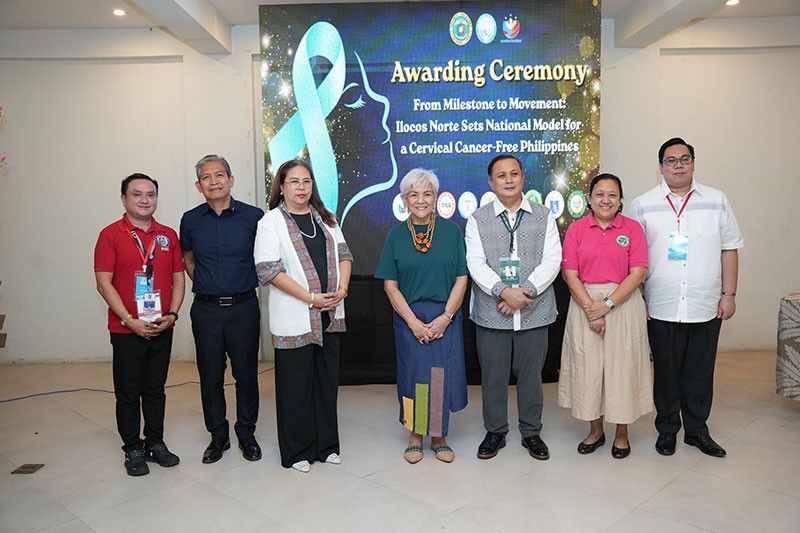
In Ilocos Norte, those efforts are gaining ground. The province has become the first in the Philippines to surpass the 90% human papillomavirus (HPV) vaccination coverage benchmark, demonstrating how sustained public health efforts can help protect more Filipinos from cervical cancer and other HPV-related diseases.
Recently, MSD Philippines brought us to Laoag, Ilocos Norte, to see firsthand how the province is advancing HPV vaccination and cervical cancer prevention. The visit offered a closer look at the initiatives behind this milestone and the people working to make protection more accessible to Filipino families.
It takes a village to fight cervical cancer
Ilocos Norte’s achievement reflects a coordinated effort among local governments, healthcare workers, schools, and communities.
The province achieved 95.7% first-dose HPV vaccination coverage among girls aged nine to 14, with 22,039 receiving the vaccine. This builds on earlier milestones set by Banna, the first municipality, and Laoag City, the first city, to reach the 90% vaccination benchmark.
For Ilocos Norte Governor Cecilia Araneta Marcos, the milestone underscores the importance of investing in prevention to safeguard future generations.
“An ounce of prevention is worth a pound of cure. That is why this means so much to me,” Marcos said during the provincial recognition event.
In a recorded message, Department of Health (DOH) Acting Secretary Dr. Edwin M. Mercado also recognized the province’s accomplishment as an important step toward cervical cancer elimination.
“This milestone marks a significant stride toward fulfilling the World Health Organization’s 90-70-90 strategy,” Mercado said, acknowledging the collective efforts behind the province’s success.
The WHO’s 90-70-90 strategy aims to have 90% of girls fully vaccinated against HPV by age 15, 70% of women screened using a high-performance test by ages 35 and 45, and 90% of women with cervical disease receive appropriate treatment and care by 2030.
Ilocos Norte’s 95.7% first-dose coverage marks significant progress in reaching eligible schoolgirls. The next priority is to sustain the effort and ensure that more girls complete their vaccination schedule.
Nearly all cervical cancer cases are linked to persistent infection with high-risk types of HPV. Vaccination helps prevent infection from the HPV types responsible for most cervical cancer cases, offering protection before exposure and reducing the risk of developing the disease later in life.
Sustaining protection for the next generation
Maintaining Ilocos Norte’s vaccination coverage will depend on continued cooperation among local governments, healthcare workers, schools, and families.
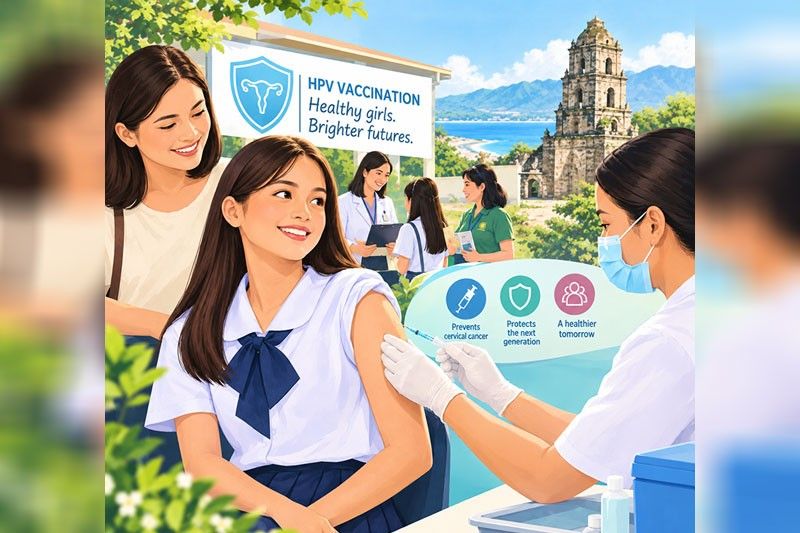
The province’s campaign has combined school-based immunization, parent education, and coordinated efforts to bring vaccines closer to eligible girls. These initiatives have also helped address parental concerns and build trust in vaccination.
Marcos credited this collective effort with the province’s vaccination campaign.
“This achievement is a testament to all who worked together to ensure that every eligible girl is protected. Their commitment has made a lasting investment in the health and future of the young women of Ilocos Norte,” Marcos said.
During the media forum, local health stakeholders stressed the need for continued public education, local budget support, and outreach to succeeding groups of eligible girls. Upcoming school-based immunization activities will help sustain the campaign.
But keeping girls protected is only part of the broader HPV prevention effort. As Ilocos Norte builds on its vaccination success, the discussion also turns to how protection could eventually reach more Filipinos, including boys.
Looking ahead
HPV affects both women and men. While persistent infection with high-risk HPV types causes nearly all cervical cancer cases, the virus is also linked to cancers of the anus, penis, and oropharynx, as well as genital warts.
Ilocos Norte’s approach offers a model that other provinces can learn from: local leadership, accessible vaccination services, school participation, and community trust can help bring HPV protection to more girls. Sustaining these efforts, alongside screening and timely treatment, will be essential to reducing cervical cancer cases and deaths. The province’s achievement shows what coordinated action can accomplish — and what other communities can work toward.