Consumer group urges review of rice tariff law
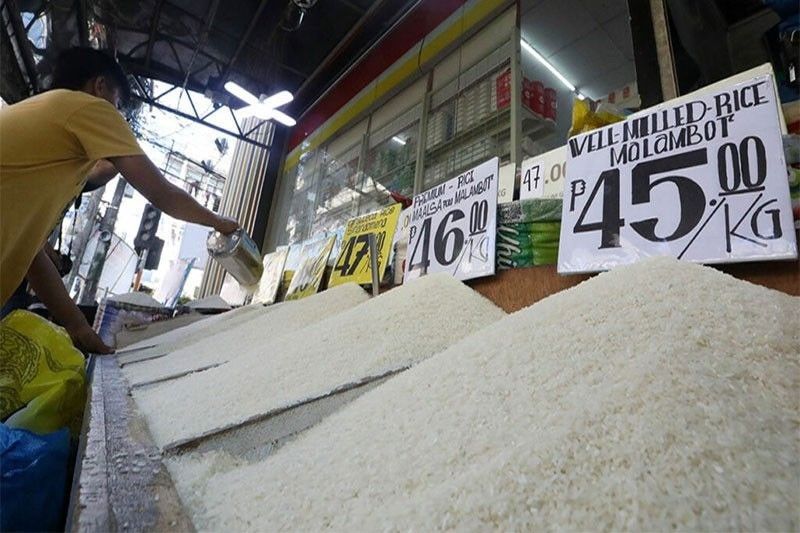
MANILA, Philippines — A consumer rights organization yesterday expressed support for calls to review the Rice Tariffication Law (RTL), saying adjustments to the policy could help protect both local farmers and consumers in the long term.
In a statement, the Alliance of Concerned Consumers of the Philippines (ACCOP) said true consumer welfare should not be viewed only in terms of short-term low prices.
“It must also encompass long-term food security, fair competition and the preservation of domestic agriculture, which ensures that Filipino consumers have access to rice that is not only affordable but also stable and secure in supply,” the group said in a message sent to The STAR.
“Stability in rice supply cannot rest solely on imports. If local farmers continue to lose market share and production declines, consumers may eventually face higher prices, food insecurity, and reduced quality options,” it said.
The RTL, passed in 2019, lifted quantitative restrictions on rice and replaced them with tariffs in a bid to make the staple more affordable.
The law scrapped decades-old rice import quotas in favor of tariffs, aiming to make rice more affordable for Filipinos.
However, ACCOP said it has weakened local agriculture and increased dependence on imported supply.
Earlier last week, the Federation of Philippine Industries (FPI) also voiced its support for a review of the RTL.
FPI chair Jesus Arranza said trade liberalization should come only after domestic agriculture has been made competitive, warning that the country could not strengthen its farm sector if it remains flooded with cheaper imports.
Arranza, likewise, criticized the slow disbursement of tariff collections meant to aid farmers, likening delayed support to a “dead horse when it arrives.”
Agriculture Secretary Francisco Tiu Laurel Jr. has similarly sounded the alarm, telling lawmakers that while RTL may have been well-intentioned, it has “faltered” by stripping the Department of Agriculture and the National Food Authority (NFA) of their ability to regulate supply, stabilize prices, or act during crises.
“As currently written, the (RTL) does not reform the rice industry, it threatens to kill it,” he said at the hearing of the Senate committee on agriculture, food and agrarian reform.
Amid these mounting pressures, ACCOP reiterated proposals to restore strategic regulatory functions, including limiting rice imports to supply gaps, setting floor prices for palay, and empowering the NFA to better manage supply shocks.





- Latest
- Trending