‘A pause is likely’
After 9 RATE hikeS
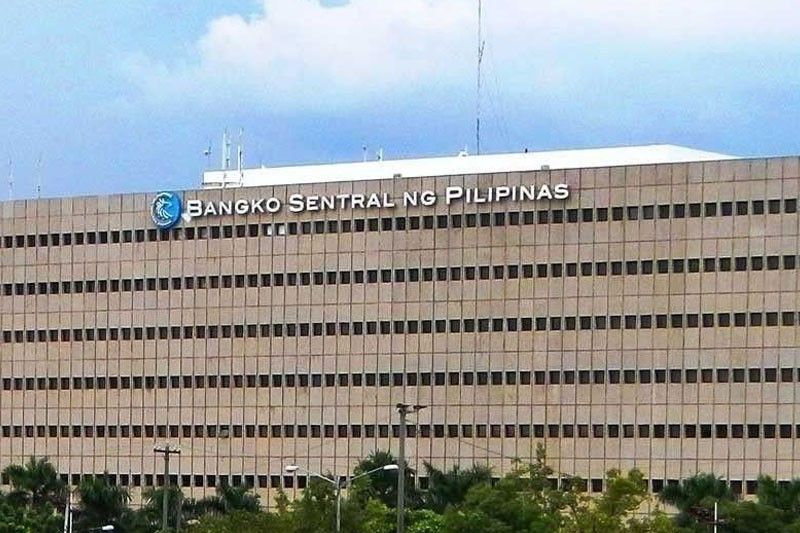
MANILA, Philippines — After raising key policy rates nine times since May last year, most economists are convinced that the Bangko Sentral ng Pilipinas (BSP) is set to step on the brakes of its tightening cycle.
Security Bank chief economist Robert Dan Roces said the inflation downtrend, the stable peso and the stronger-than-expected gross domestic product (GDP) in the first quarter would prompt the BSP to keep interest rates steady on Thursday.
“The first-quarter GDP data, coupled with signs of cooling price pressures for now, and the foreign exchange relatively confined to the middle area of the DBCC’s P53 to P57 target may encourage the central bank to consider a more cautious stance lest it unnecessarily slows growth, so it will potentially pause at the current 6.25 percent,” Roces said.
To tame inflation and stabilize the peso, the BSP raised interest rates by a cumulative 425 basis points, bringing the benchmark rate to a 16-year high of 6.25 percent.
The BSP has hiked interest rates for nine straight meetings since May last year, including an off-cycle meeting on July 14 when it delivered its first jumbo 75-basis-point increase.
Apart from the strong rebound of the peso back to the 53 to $1 level in February, inflation has also cooled to an eight-month low of 6.6 percent in April from 7.6 percent in March. It averaged 7.9 percent in the first four months of the year, still way above the BSP’s target range of two to four percent.
The Philippines posted a stronger-than-expected 6.4-percent GDP growth in the first quarter, providing the BSP a good glimpse of the economic landscape.
“A pause and not a hold – meaning it might not declare the end of the tightening cycle just yet – as it considers more data given emergent risks to inflation,” Roces emphasized.
ING Bank senior economist Nicholas Mapa said recent data suggests that the BSP may pause next week as inflation sustained its downward trek and growth momentum clearly slowed in the first quarter.
“Although risks to the inflation remain, most threats are supply side in nature and best addressed by supply side remedies. Meanwhile, a pause means that policy rates are still at restrictive territory at 6.25 percent and should be enough to weed out any lingering excess demand,” Mapa said.
According to Mapa, outsized concerns about negative real rates could finally be put to rest, with real rates likely moving back into positive territory as early as next month.
“Average inflation should move past target again this year, but the monthly inflation prints should move back within target as early as the end of the third quarter,” Mapa said.
Mapa said the central bank’s Monetary Board could signal a potential reduction to the reserve requirement ratio (RRR) after keeping interest rates steady this Thursday.
He said BSP Governor Felipe Medalla knows fully well the dangers of cutting RRR at a time of tightening and may likely orchestrate the planned reduction only after pausing for a couple of meetings.
China Bank chief economist Domini Velasquez is also convinced that the BSP will pause its monetary tightening this May as headline inflation has dropped significantly since peaking in January.
Velasquez pointed out that the BSP chief previously remarked that three consecutive low monthly inflation prints would be supportive of a rate pause.
“Although risks to the inflation outlook remain tilted to the upside, we think that the BSP’s 425-basis-point rate hike over the past year is enough to stem demand-side pressures, while supply shocks could be sufficiently addressed by non-monetary measures (e.g., timely importation to augment domestic shortages),” Velasquez said.
She said that US Federal Reserve chair Jerome Powell has signaled a possible pause and current market expectation is a no-hike at the Fed’s June meeting, keeping a decent 100-basis-point interest rate differential between the Fed and the BSP.
Additionally, Velasquez said the BSP has built back its foreign reserves to above the $100-billion level, which provides the central bank with ample ammunition to thwart an excessive depreciation of the peso resulting from the narrow interest rate gap.
Jun Neri, lead economist at Ayala-led Bank of the Philippine Islands, said the central bank may choose to pause this week.
“We still recommend a hike because of elevated core inflation, but BSP may choose to pause,” Neri said.
After pausing this week, Rizal Commercial Banking Corp. chief economist Michael Ricafort said the BSP could cut rates as early as August if inflation data continues to ease, while maintaining interest rate differentials of about one percentage points with the dollar on top of earlier signals on possible cut on banks’ RRR as early as next month.
However, not all economists are convinced that the BSP will step on the brakes of its tightening cycle on May 18.
UnionBank chief economist Ruben Carlo Asuncion said the central bank’s Monetary Board would deliver another 25-basis-point hike on Thursday, bringing the overnight reverse repurchase rate to 6.50 percent.
“We think that buoyant first quarter domestic demand would back up an expected BSP rate hike of 25 basis points this month. Although, the high core inflation in 1Q23 would carry more weight and will be priority for the BSP obviously,” Asuncion said.
Asuncion pointed out that a policy rate adjustment this week would pave the way for an imminent pause in June.
BMI Country Risk & Industry Research, formerly Fitch Solutions, sees the Philippine central bank delivering another 25-basis-point hike before pausing for the rest of the year.
“Our prevailing forecast is for the benchmark rate to be hiked by an additional 25 basis points as concerns over price stability will spur the BSP toward a tightening bias. Subsequently, we think that interest rates will be kept at a multi-year high of 6.50 percent throughout 2023, with rate cuts only possibly materializing in 2024,” BMI said.





- Latest
- Trending