Nurse shortage could reach 250,000 by 2030 – CHED
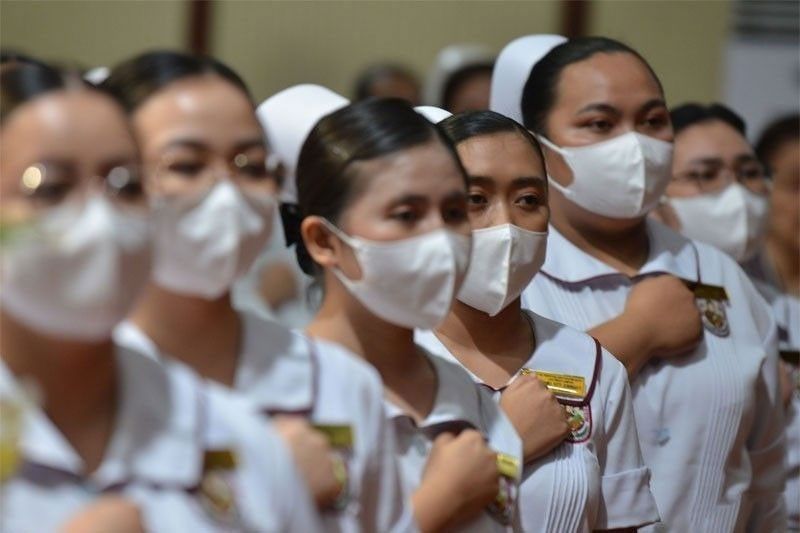
MANILA, Philippines — The shortage of nurses could reach 250,000 by 2030 if current figures of 127,000 to 190,000 nurse deficit in 2025 continue, Commission on Higher Education (CHED) Chairperson Shirley Agrupis said yesterday.
In her speech during the ceremonial turnover of the Philippine Nursing Education Roadmap 2020 in Ortigas, Agrupis said that while the Philippines has long been recognized for producing skilled and competent nurses who serve both in the country and abroad, there continues to be a significant lack in the national health care system.
“Estimates cited in the Roadmap place the shortage at 127,000 to 190,000 nurses as of 2025, potentially reaching 250,000 by 2030 if current trends continue. This makes the work of strengthening nursing education even more important,” Agrupis said.
An estimated 200,000 Filipinos live and work in the United Kingdom, including more than 35,000 Filipino nurses serving in its National Health Service.
“We want to continue preparing our nurses for international opportunities through quality education and professional development, while also strengthening our own health care workforce. These priorities must go together,” Agrupis added.
She said the Philippine Nursing Education Roadmap provides the government with a framework.
“The findings point to important areas for improvement: curriculum relevance and clinical preparedness, faculty development, student welfare, institutional resources, research capacity and alignment with workforce requirements,” Agrupis said.
She added that the country currently has 434 higher education institutions offering BS Nursing programs nationwide.
“We must continue addressing differences in resources and capacity to ensure that students across regions receive quality nursing education and adequate clinical preparation,” she said.
Meanwhile, nearly 200 Filipino nurses and careworker candidates are undergoing Japanese language training ahead of their deployment to hospitals and caregiving facilities in Japan under its bilateral labor agreement with the Philippines.
The 198 candidates are the 19th batch under the Japan-Philippines Economic Partnership Agreement and their preparatory training formally opened on Nov. 4.
One hundred twenty-one will attend online language classes, while the remaining 77 will receive face-to-face instruction. The six-month program covers Japanese language, culture and social etiquette.
The candidates will undergo another six months of Japanese language training upon arrival in Japan before beginning their assignments. The training programs are provided free of charge under the government-to-government deployment arrangement.
The candidates will take Japan’s national examination for nurses or certified careworkers while gaining professional experience at Japanese health care facilities. — Christine Boton







- Latest
- Trending