Banks ready for January bond pricing shift
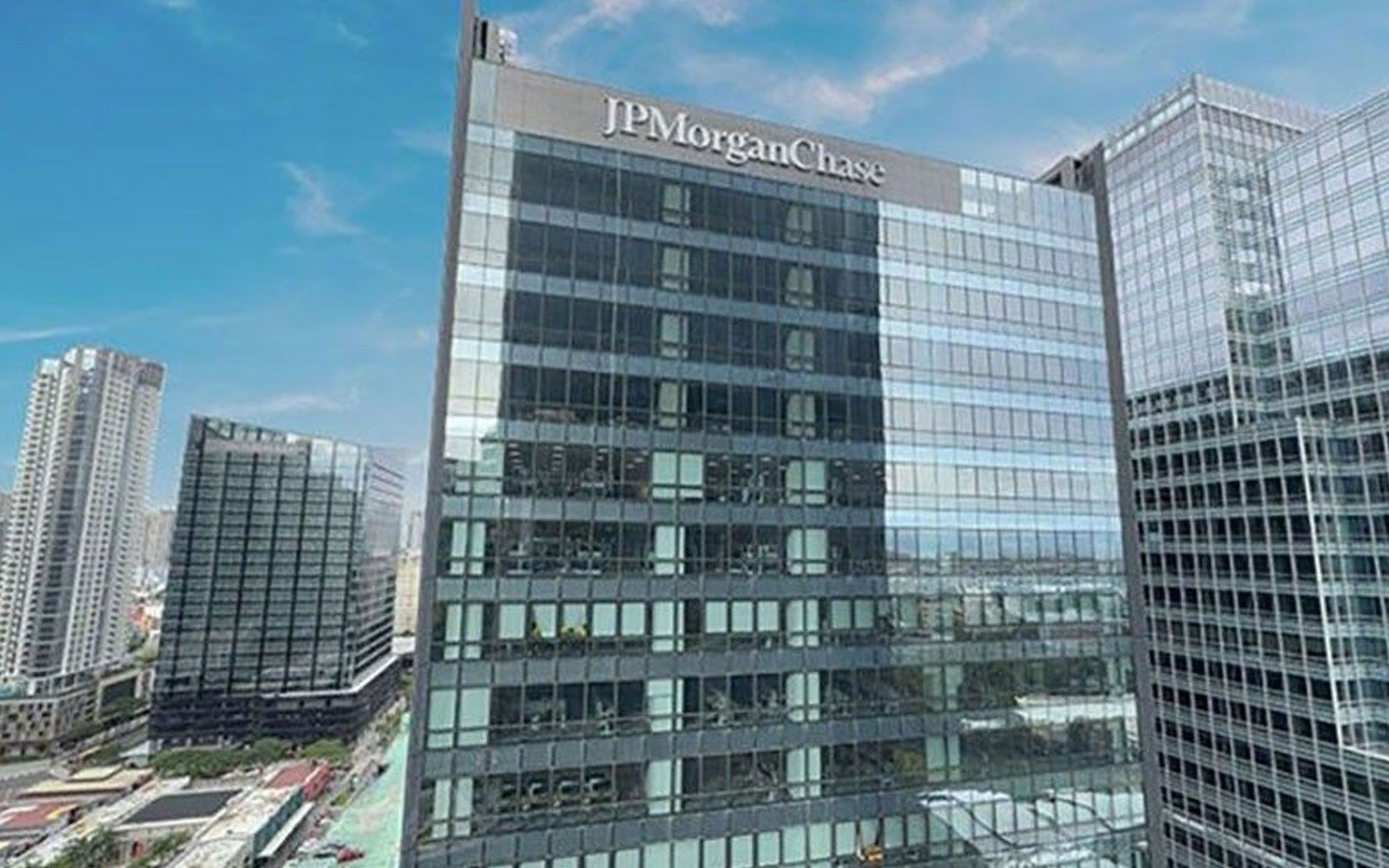
Ahead of Philippine entry in JP Morgan index
MANILA, Philippines — Philippine banks expect to complete preparations for a new government bond pricing system by the end of November, ahead of its rollout in January and the country’s inclusion in a major global bond index.
Citi Philippines CEO and Bankers Association of the Philippines Open Market Committee chairman Paul Favila said banks are on track to implement the revised pricing methodology for peso-denominated government bonds, which aims to align local practices with international standards.
“Informally, I think we’re ready by the end of November. And if the targeted date is the start of January, then we should be good,” Favila told reporters.
The government earlier announced that the new pricing convention would take effect on Jan. 4, 2027, ahead of the Philippines’ inclusion in JP Morgan’s Government Bond Index-Emerging Markets (GBI-EM) series on Jan. 29.
The GBI-EM is a widely followed benchmark that international fund managers use to track and invest in government bonds issued by emerging economies.
Under the existing system, the present value of government bonds, or the current worth of their future interest payments, incorporates withholding taxes on future coupon payments.
Favila said the revised methodology would exclude future withholding taxes from bond valuations while retaining the 20-percent tax applicable to the current coupon period.
The change would make Philippine bonds easier for foreign investors to value and trade without altering their underlying tax obligations.
Favila said banks, fund managers and other market participants have been coordinating to ensure a smooth transition.
“We’ve been working alongside fund managers and other stakeholders and they all basically said, we’re good,” he said.
JP Morgan announced last week that nine Philippine government bonds with a combined notional value of about $50 billion would enter its emerging-market index over a 10-month period beginning January.
The Philippines is expected to account for 1.64 percent of the index once its inclusion is fully phased in.
Favila said investor sentiment toward Philippine bonds remained positive, supported by improvements in market accessibility and the country’s relatively transparent monetary and fiscal policies.
He noted that Philippine sovereign bond issuances continued to attract strong demand despite elevated interest rates.
The government’s bond market reforms are expected to encourage greater foreign participation, improve trading liquidity and potentially reduce borrowing costs over time.




- Latest
- Trending