More telco infrastructure built as government speeds up permits
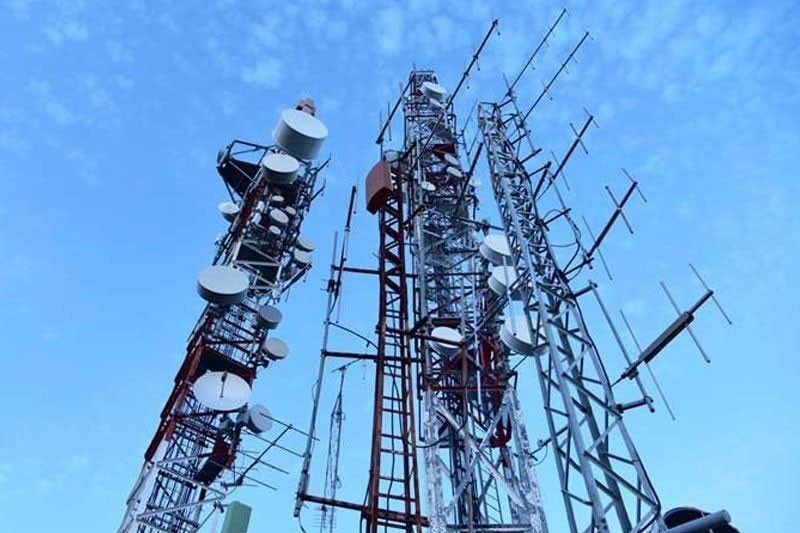
MANILA, Philippines — Telco-to-tech giant Globe Telecom Inc. is pressing the government to sustain efforts in speeding up the issuance of infrastructure permits to help improve network coverage and quality.
Globe senior vice president and head of network planning Joel Agustin said the telco is taking advantage of faster permitting processes to set up new cellular sites and fiber lines.
As of end-September, the Department of Interior and Local Government has reported the issuance of 12,241 permits for telco projects across 707 cities and municipalities nationwide.
Agustin said local governments should keep up this pace of permit approvals as it is helping telcos build additional network infrastructure and connect more communities to the internet.
Likewise, faster telco permitting allows providers to cut costs, as they can deploy equipment and personnel more predictably. It also reduces administrative delays that only burden consumers in underserved areas.
“We appreciate the efforts of local government units to simplify their processes and help telecom providers move forward with their projects,” Agustin said.
“Continued cooperation between the government and the industry will help us expand networks and reach more communities, especially in those that remain underserved,” he added.
Local and national agencies are mandated under Executive Order 32 to simplify permitting requirements for telco projects, prescribing approval timelines.
Globe, for its part, is matching the faster processing with capital expenditures. The provider has invested P26.3 billion on capex as of the first half, with 91 percent going to network buildup.
The amount covered the deployment of at least 878 5G sites and 80,052 fiber-to-the-home lines. In turn, Globe’s 5G coverage has risen to 98 percent in Metro Manila and other urban areas.
Agustin committed Globe’s compliance with national and local agencies in accelerating network rollout, as the government tries to bridge the digital gap in the countryside.
Under the Marcos administration, the target is to raise internet penetration to 60 percent by 2028, from 17.7 percent in 2019.





- Latest
- Trending