Asian port congestion seen lasting until 2027
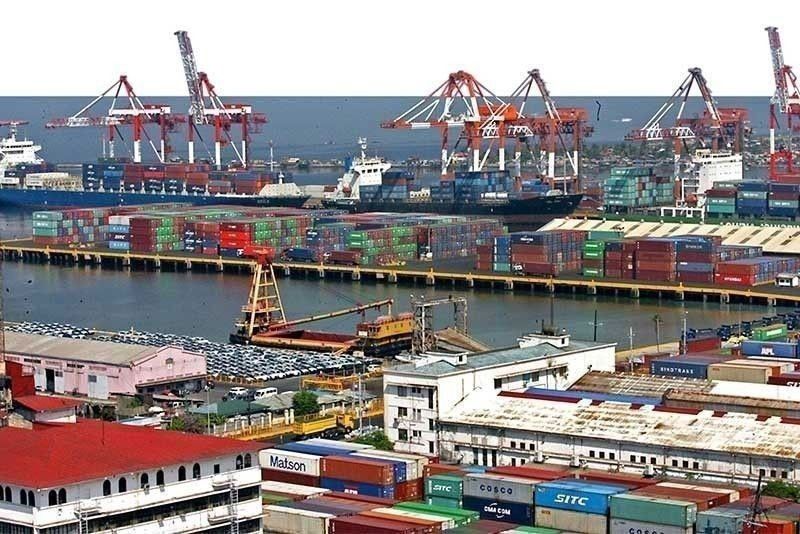
MANILA, Philippines — Congestion at major Asian container ports could take months to ease, with weather disruptions and operational bottlenecks tying up ships, squeezing capacity and driving freight rates higher.
Sam Chambers, maritime analyst and editorial director of Asia Shipping Media, said the problem increasingly looks less like a temporary disruption and more like one that could persist well into 2027.
Sea-Intelligence estimates that delays are absorbing 8.5 percent of the global containership fleet, equivalent to roughly three million twenty-foot equivalent units (TEUs) of capacity. Chambers noted that this effectively removes from service a fleet larger than all but four global carriers.
Based on recovery rates following the pandemic and the initial Red Sea crisis, Sea-Intelligence estimates it could take seven to 10 months for congestion to return to the low levels recorded in June 2025. A return to conditions at the end of last year could take six to eight months.
History suggests the disruption will take months rather than weeks to unwind, Chambers said.
That could leave Asian ports dealing with congestion into the next peak cargo season. He added that the problem may be only partially resolved before the pre-Chinese New Year cargo rush. Chinese New Year falls on Feb. 6, 2027.
Repeated typhoons have been a major factor. Congestion at Far East origin ports has worsened as delays cascade into transshipment hubs. When carriers skip heavily affected ports, the pressure shifts elsewhere in the network.
Freight markets are already feeling the effects. Drewry’s Intra-Asia Container Index has reached record territory, with individual routes hitting historic highs.
Rates from Shanghai to Laem Chabang rose by 22 percent to $1,609 per 40-foot container, while Shanghai-Jakarta rates increased by 12 percent to $2,300 as Golden Week demand collided with constrained vessel capacity.
The bottlenecks are showing up sharply in intra-Asia pricing, Chambers said.
Congestion is also distorting measures of shipping capacity. Sea-Intelligence calculated that capacity deployed on Asia-North Europe services around Golden Week reached 1.5 million TEUs over four weeks, up by 27 percent from a year earlier and 60 percent above pre-pandemic averages.
But the increase does not necessarily mean carriers deliberately added that much capacity. Vessel bunching caused by congestion has inflated the figures.
Pressure could spread farther across the region. HSBC expects the delays to prolong effective capacity constraints as they migrate toward Southeast Asia and the Indian subcontinent.
Xeneta, meanwhile, reported Asia-US rates still near pandemic-era records. Peter Sand, Xeneta chief analyst, said shippers entering 2027 tenders cannot assume the current disruptions will disappear quickly.







- Latest
- Trending