


DA sees P10 billion additional revenues from higher pork tariffs
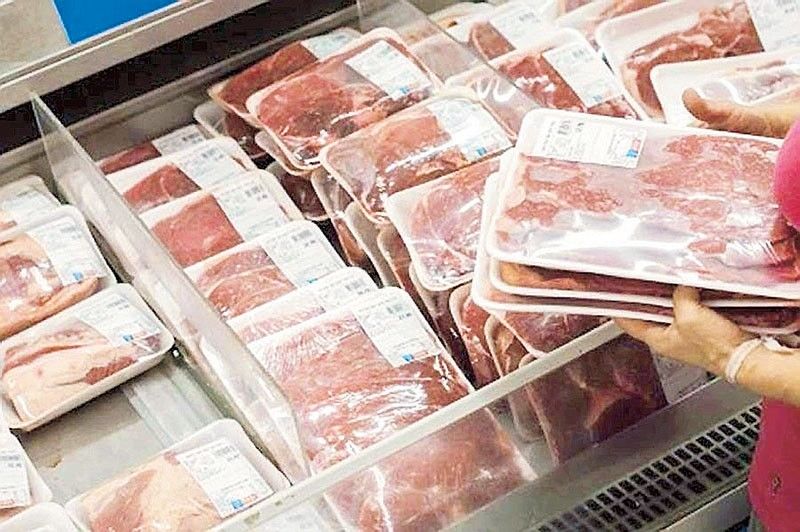
MANILA, Philippines — The Department of Agriculture (DA) expects more than P10 billion in additional revenues from higher pork tariffs, funds which it said could be used to support the country’s animal sector.
During a Tariff Commission (TC) hearing yesterday, the DA said an increase in pork tariffs could allow the government to collect more revenues to fund the Animal Competitiveness Enhancement Fund (AnCEF), which is intended to improve the country’s livestock, poultry and dairy industry.
DA Macro-Economic Policy Division assistant chief Katrin Mares said government revenues could expand by more than P10 billion if pork tariffs are raised.
The DA has proposed an incremental tariff increase on imported pork meat due to declining farmgate prices.
An initial 10 percent hike would be implemented on the current in-quota rate of 15 percent and the out-quota rate of 25 percent, resulting in tariff levels at 25 percent and 25 percent, respectively.
Tariffs will then be raised to 30 percent and 40 percent rates for in-quota and out-quota imports, respectively, by 2028.
Under the existing minimum access volume system, imports within the 204,210 metric tons (MT) quota are given lower tariff rates.
Mares noted that additional revenues could allow the implementation of the AnCEF, a P20-billion annual fund to improve and modernize the country’s animal industry.
It could allow further investments in swine recovery, biosecurity and the improvement of hog productivity. About P3.64 billion is allocated for hog repopulation.
The agency noted that improved hog populations could translate to a 100,000 metric ton annual increase in pork production. It could also gradually reduce swine meat imports to 250,000 MT from 500,000 MT.
The competitiveness fund was created under Republic Act 12308, or the Animal Industry Development and Competitiveness Act, to modernize the animal sector.
Meanwhile, the Meat Importers and Traders Association (MITA) warned that increasing tariff rates on imported pork would only result in higher retail prices for consumers.
“The DA talks about revenues, however this is at the expense of the consumers. This is an inflation tax on Filipino families,” MITA president emeritus Jesus Cham said.
He added that raised duties would translate directly to higher retail prices for fresh meat, canned goods and restaurant service meals.
Instead, the meat importers groups pushed to expand the lowered tariffs on pork beyond 2028 to provide long-term predictability for the manufacturing, food service and consumer sectors.







- Latest
- Trending


