ICC prosecutor opposes evidence disclosure cap in Duterte’s case
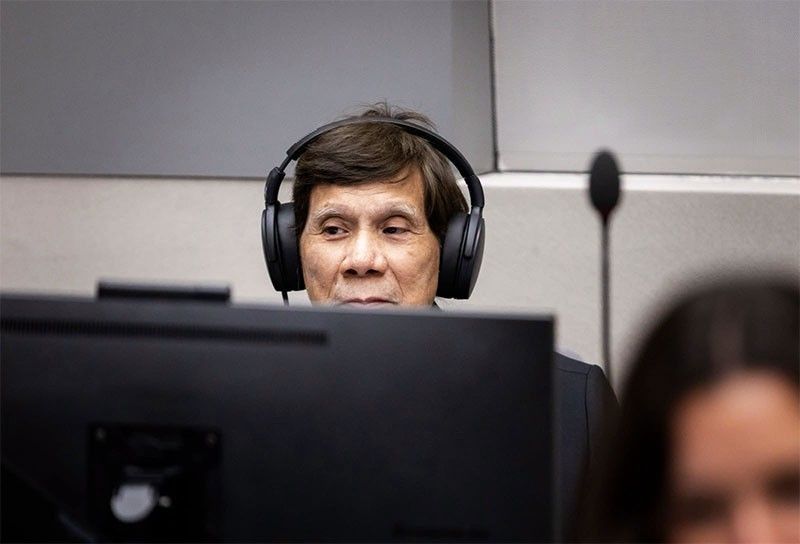
MANILA, Philippines — The prosecutor of the International Criminal Court (ICC) has opposed the request of former president Rodrigo Duterte’s lawyers to limit the documents disclosed in relation to his upcoming crimes against humanity trial.
In his 16-page response released yesterday, ICC acting prosecutor Mame Mandiaye Niang maintained that the documents disclosed to the defense are reasonable and relevant to the case.
He was responding to defense lawyer Peter Haynes’ allegations that the prosecution provided them with a “sheer volume of material” that supposedly undermines Duterte’s right to adequate time for preparation of his defense.
“The prosecution rejects the repeated portrayal of the disclosure of documents that memorialize the attack against the civilian population, including victims specified in this case, as the ‘dumping of documents’ into the case record,” read the prosecution’s response.
“The prosecution’s disclosure is further reasonable, considering the large geographic and temporal scope of this case and the fact that the accused is a former head of state who openly ran a ‘war on drugs’ that drew significant domestic and international attention. The volume of the prosecution’s List of Evidence is also consistent with that of other cases at this Court,” it added.
In his original request, Haynes asked the Trial Chamber III to act on what it described as “voluminous” documents disclosed by the prosecution ahead of the trial.
He noted that from the initial 5,275 items of evidence during the confirmation phase, the prosecution has now expanded it to 62,130 items.
“The defense has no ability to read this volume of evidence prior to trial. However, even a cursory review demonstrates that much of the disclosed material is of extremely limited or no relevance to the charges in this case,” said Haynes.
Niang, however, responded by pointing out that majority of its disclosure came from a dataset containing “highly relevant” information.
He said the prosecution has taken reasonable steps to help the defense review the dataset, including summaries of incidents in the documents.
“Setting an arbitrary cap on the number of documents the prosecution can disclose would automatically place the prosecution in violation of its disclosure obligations as it would require the prosecution to withhold evidence that it considers material to the defense’s preparation,” wrote Niang.
“The prosecution respectfully submits that withholding material evidence from the defense, or forcing the prosecution to remove a dataset that directly supports the contextual elements of its case, would more severely hinder the search for the truth in this case,” he added. — Bella Cariaso





- Latest
- Trending