‘BSP should avoid rate hikes to defend peso’
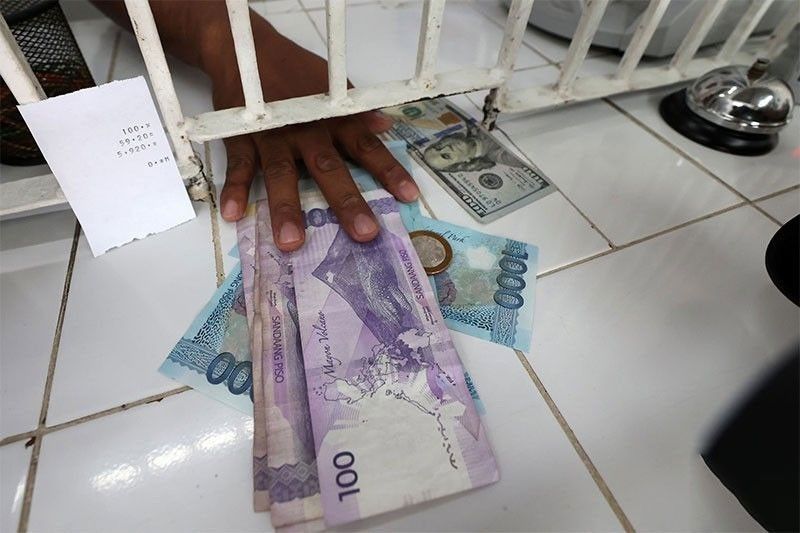
MANILA, Philippines — The Bangko Sentral ng Pilipinas (BSP) should avoid using interest rate hikes primarily to defend the peso and instead keep monetary policy focused on inflation, according to Manulife Investments Philippines, as elevated US yields and broad dollar strength continue to pressure the local currency.
Jean Olivia de Castro, head of fixed income at Manulife Investments Philippines, said further tightening could still be warranted if inflation risks intensify, but the central bank should distinguish between persistent domestic price pressures and short-term currency weakness driven largely by global developments.
“The BSP’s primary objective should be to keep inflation expectations firmly anchored, while recognizing that much of the peso’s weakness reflects global factors such as elevated US Treasury yields and broad dollar strength,” De Castro said.
“While further tightening remains an option if inflation risks intensify, policy should remain focused on the inflation outlook rather than short-term currency moves,” she said.
The BSP uses its policy interest rate to influence borrowing costs, demand and inflation across the economy. Higher rates can also provide some support to the peso by making peso-denominated assets more attractive, but excessive tightening risks further slowing economic activity.
De Castro said a disciplined and data-dependent approach would allow the central bank to preserve its credibility on inflation while limiting unnecessary damage to growth.
The peso has remained under pressure despite the BSP’s tightening as higher US interest rates continue to support the dollar and increase the attractiveness of US assets.
Manulife said the next major direction for global interest rates and currencies could depend heavily on US labor market data, which investors are watching for clues on the Federal Reserve’s next policy moves.
“A strong payrolls number would likely revive higher-for-longer rate expectations, keeping US yields elevated and exerting pressure on both Philippine bond yields and the peso,” De Castro said.
US Treasury yields serve as a global benchmark for borrowing costs. When they rise, investors typically demand higher yields from riskier assets, including Philippine government bonds, while higher US returns can also strengthen the dollar against emerging-market currencies such as the peso.
A softer US labor report, however, could strengthen expectations for further Fed easing.
“On the other hand, a softer labor print would support the case for further Fed easing, providing some relief to fixed income markets and allowing the peso to strengthen modestly, assuming global risk sentiment improves,” De Castro said.
Still, Manulife expects a combination of elevated global yields, peso weakness and increased government borrowing to keep Philippine interest rates relatively high even if short-term volatility subsides.


- Latest
- Trending