Philippine faces power hike as LNG imports climb
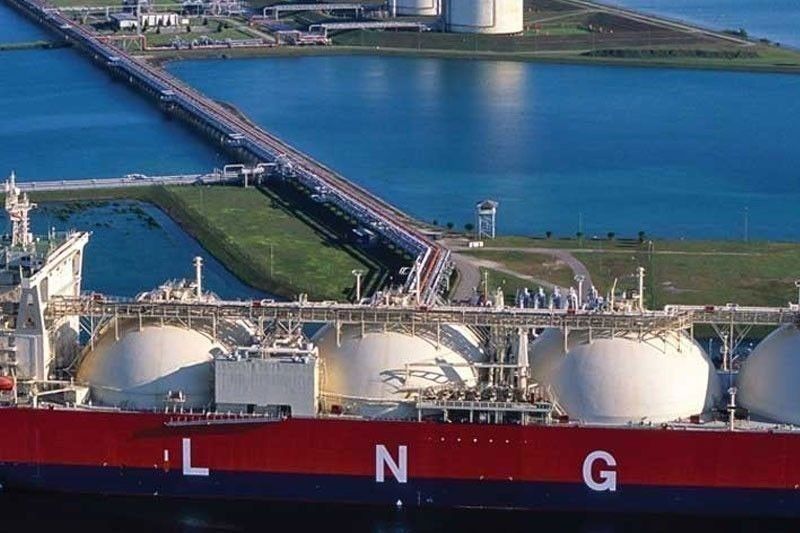
MANILA, Philippines — With the expected influx of liquefied natural gas (LNG) imports, electricity prices in the Philippines are expected to increase further over the next four years, according to climate research groups.
In a joint analysis, the Zero Carbon Analytics (ZCA) and the Center for Renewable Energy and Sustainable Technology (CREST) said the Philippines’ LNG imports are projected to jump by 508 percent by 2029.
The groups warned that the country’s growing reliance on imported LNG could drive up electricity costs, putting additional pressure on already struggling Filipino households.
“The Philippine government’s reliance on imported fuel for power generation resulted in high electricity prices, which are a burden to Filipino electricity consumers and (the) local industry,” CREST president Rei Panaligan said.
“LNG imports are very expensive, and the rising gas price will continue to expose the country to a volatile global market,” Panaligan said.
ZCA and CREST said the surge in LNG imports is expected to cost the Philippines an estimated $3.9 billion (about P220 billion) through 2029.
Notably, charges for gas-fired power generation are likely to increase by up to 24 percent due to high LNG import costs, the report said.
Generation charges, which reflect the cost of producing electricity, account for over 50 percent of consumers’ power bills.
According to a 2022 report by the Philippine Center for Investigative Journalism, the Philippines ranked second in Southeast Asia for having high electricity rates.
“Instead of importing LNG and building costly LNG infrastructure, the government should look instead to the country’s huge potential for solar and wind, which can now produce electricity more cheaply than gas,” ZCA Asia regional researcher Yu Sun Chin said.
Similarly, Panaligan urged the Marcos administration to “invest further in more renewables and to start closing permanently the door to fossil fuels.”
“Renewables such as solar and wind are cheaper options than gas both in terms of the upfront costs and generation,” Panaligan said.
“The Philippines has the potential to generate enough indigenous renewable power to meet our own energy demands.”
LNG is deemed a bridge fuel to transition away from coal plants and pave the way for wider adoption of zero-carbon energy sources.
Natural gas accounted for around 14 percent of the country’s power generation mix in 2023, according to the Department of Energy.
Coal, meanwhile, still held the largest share at 63 percent, with renewables making up only 22 percent.




- Latest
- Trending