


World Bank pushes climate stress testing by banks
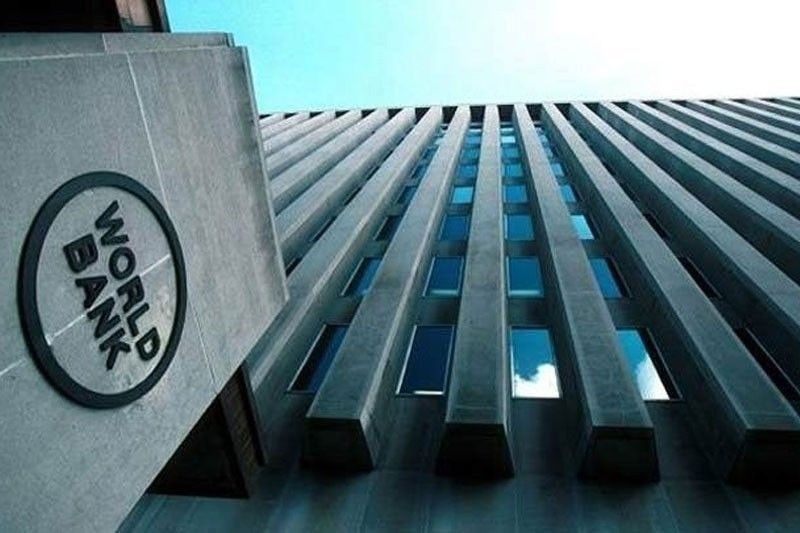
MANILA, Philippines — The World Bank is pushing for the conduct of climate stress testing by banks to better understand and cope with climate and environmental risks.
“Banking regulators should consider climate stress testing – both at the system level and by individual banks – to build further understanding of climate and environmental impacts under various historical and future scenarios,” World Bank economists said in the multilateral lender’s blog.
This, as climate change and environmental-related natural disasters, which could lead to massive human losses, physical damages and economic and fiscal losses, are seen to pose risks to the stability of the financial system and affect the ability to meet development goals.
The World Bank experts said their study that looked into the impact of climate and environmental risks on the stability of the banking system found that severe climate and environmental disasters can lead to an increase in the level of system-wide non-performing loans (NPL) to total gross loans.
Based on a data set covering 184 economies over the period from 1980 to 2019, the World Bank experts said NPL ratios are estimated to increase by 0.37 percentage point after disaster episodes associated with an official declaration of emergency.
Two and three years after an episode involving multiple types of disasters, they said the cumulative increases in NPL ratios stand at 0.56 and 0.6 percentage point, respectively.
In the Philippines, which is exposed to frequent natural disasters, the experts said they looked at the impact of typhoons on NPL ratios between 2011 and 2018 and found that “a one percentage point increase in the typhoon damage ratio, defined as the amount of damage divided by regional GDP (gross domestic product), would lead to an increase in the NPL ratio as large as 2.3 percent.”
In its Philippines Country Climate and Development Report released last year, the World Bank said the economic damage to the country could reach up to 7.6 percent of GDP by 2030, and 13.6 percent by 2040, if climate change would be left unaddressed.
Given the results, the experts said it is important for the banking sector to monitor climate and environmental-related natural disasters.
The results also show the critical role of financial sector supervisors and regulators in the monitoring, assessment and mitigation of climate-related risks.
“The World Bank is actively supporting financial sector authorities to better understand and manage climate and environmental risks,” the experts said.
Activities being undertaken by the World Bank in this space range from stress testing climate risks to supporting supervisors with climate data catalogues and risk management regulations.






- Latest
- Trending


