Fitch keeps Philippines' investment grade but wary of global headwinds
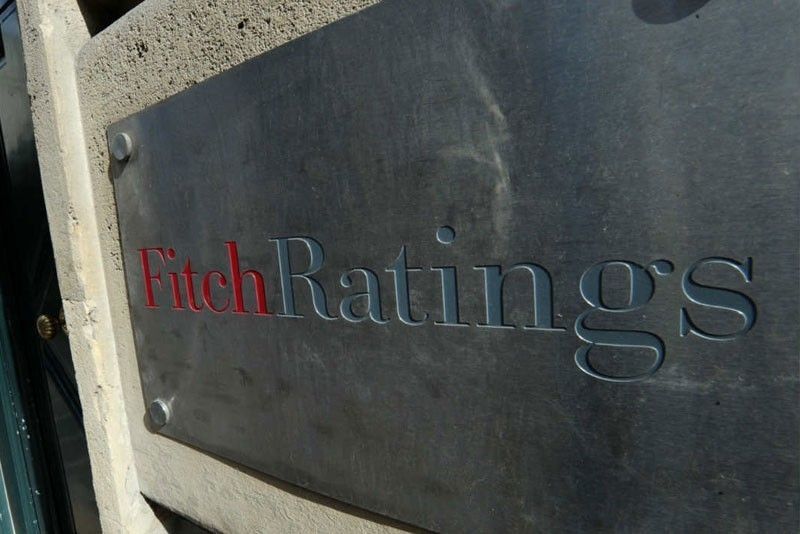
MANILA, Philippines — Fitch Ratings reaffirmed the Philippines' credit rating but took on a cautious outlook as economic growth remains threatened by global headwinds and the Bangko Sentral ng Pilipinas' aggressive monetary policy stance to tame inflation.
In a report released Thursday, the debt watcher upheld the country’s ‘BBB’ credit rating with a "negative" outlook, which means there's a chance that the investment grade could be downgraded over the next 18 to 24 months.
Fitch said that the ratings action reflects the country’s medium-term growth prospects amid a high inflation environment and a global economy headed to a recession. The risks include the BSP’s aggressive interest rate hikes that could potentially push its benchmark rate at beyond 5.25%, which the debt watcher is keeping a close eye.
Fitch noted that although the country still possessed "strong" macroeconomic fundamentals, risks abound. These include the Marcos Jr. administration’s fiscal consolidation strategy and economic growth. The former could be derailed if the economy could not withstand fiscal tightening.
“The 'BBB' rating balances strong growth, external finances and a credible economic policy framework against lagging structural indicators, including per capita income and governance, relative to peers,” Fitch Ratings said.
The debt watcher remained wary of the possibility of economic scarring as result of pandemic fallout. Fitch cited learning losses, wherein economic managers of the previous administration have warned as countless research points to learning poverty in the country’s education system exacerbated by the pandemic.
On the one hand, the Marcos Jr. administration looked to hit between 6.5-7.5% gross domestic product this year. If realized, this could prove to be an impressive feat but the rising prices of consumer goods and services as a result of economic reopening, a weak peso, and expensive fuel prices could derail hopes.
That said, the country’s fiscal space remains limited as taxpayer funds are funnelled into foreign currency debt payments. The former Duterte administration embarked on a borrowing spree at the onset of the health crisis to fund its response.
Fitch Ratings took note of the country’s high debt levels, which still fell in line with the ratings action, but proved higher than its ‘BBB’ peers. National government debt, projected to be equivalent to 56% of the country’s GDP, could inch up a percent higher due to the country’s weak revenue deployment.
The debt watcher also spotlighted the country’s current account deficit, driven in part by a widening trade gap and rebounding demand. That trade gap was fueled by a surging dollar trend that pushed the peso to historic lows in past months, leaving imports persistently high owing to expensive fuel prices.
For Fitch Ratings, three factors could lead to a downgrade. This could be the domestic economy sputtering, fiscal consolidation slowing down or the peso’s weak position that the Marcos administration looks to defend by deploying its dollar reserves.





- Latest
- Trending