





Inside Manila Doctors Hospital’s Endoscopy Unit: Dr. Michelle Cloa leading the frontlines
 for Manila Doctors Hospital

MANILA, Philippines — It’s common among Filipinos to consider screening when something already feels wrong—when there’s discomfort, bleeding or persistent changes in the body.
Unfortunately, this mindset may be the very thing putting us at risk.
“Colonoscopy screening is for people who feel healthy because that’s when we detect early growths in the colon—when they are still benign or in the early stages of cancer,” explains Dr. Marie Michelle Cloa, chairman of the Gastrointestinal and Digestive Endoscopy Unit at Manila Doctors Hospital.
Cloa and her team know firsthand how early detection can change outcomes. She shares that patients who come in without symptoms often have the best chances—not just of survival, but of avoiding complex and costly treatment altogether.
Why waiting can cost more than you think
Colorectal cancer does not always come with warning signs, she says. In many cases, it develops quietly, starting as small growths called polyps before progressing into cancer over time.
“The earlier the stage, the better the survival,” Cloa says. “Stage 1 cancers, for example, have a five-year survival rate of 90%, whereas Stage 4 cancers have only around 13 to 15%.”
She points out that screening is definitely “cheaper compared to undergoing multiple diagnostic tests, surgery, chemotherapy, with or without radiotherapy.”
“Treatment can run up to millions compared to having screening colonoscopy early on.”
Beyond hospital bills, the cost of waiting can also mean longer recovery, more aggressive interventions and a heavier emotional burden for the families.
Who should get screened—and when
Screening is generally recommended starting at age 50. But for individuals with a family history of colon cancer or polyps, screening may need to begin much earlier.
“If a relative from the first to second degree had colon cancer, screening can start as early as 40,” Cloa says. “If the family member was diagnosed before 50, screening can begin even earlier—about 10 years before the age of diagnosis.”
Unknown to many, genetics account for only a small portion of cases.
“Only about 10% of colon cancers are inherited. The majority are sporadic, influenced by diet, lifestyle, smoking, alcohol intake, obesity and environmental factors,” says Cloa.
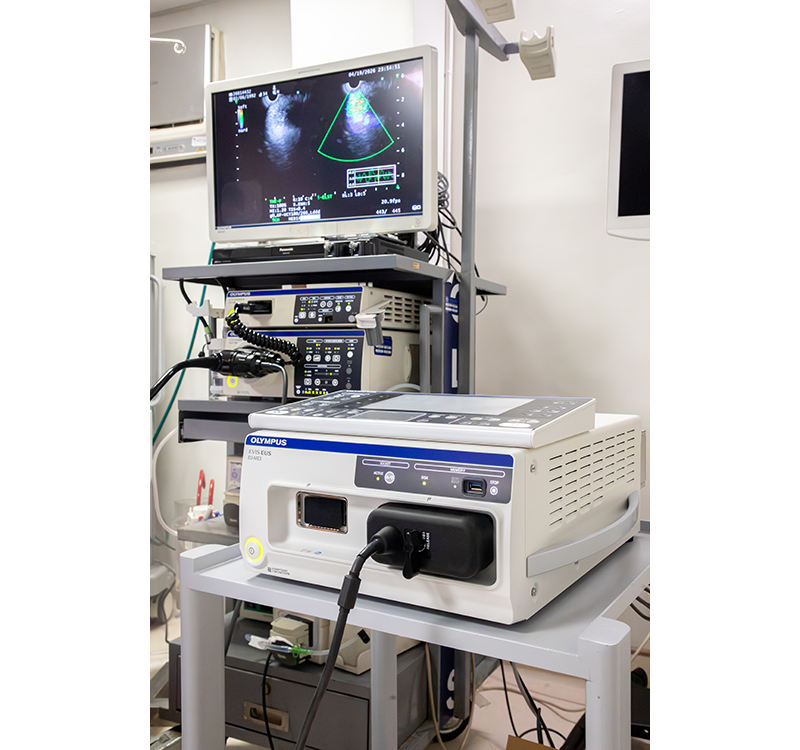
The symptoms people are too embarrassed to talk about
As expected, silence is one of the biggest barriers to early detection. Many patients hesitate to talk about bowel habits and other symptoms, dismissing them as minor or too embarrassing to bring up.
Rectal bleeding, for instance, is often brushed off as hemorrhoids.
“While hemorrhoids are a common cause, not all bleeding arises from them. Growths in the colon can also cause bleeding—and those are more serious,” Cloa cautions.
Another red flag is changes in bowel habits, from “stools that become pencil-like, persistent diarrhea that doesn’t respond to treatment to new-onset constipation.”
“Any sudden change from your usual pattern should be checked,” she says, adding that even something as common as constipation can signal a deeper issue when paired with other symptoms—such as bleeding, anemia, weight loss, nausea or vomiting.
Non-cancer conditions you shouldn’t ignore
Colorectal cancer is a major concern, but it is not the only condition that can affect the colon.
Doctors are also on the lookout for diseases such as diverticulitis, inflammatory bowel disease, anal fissures and fistulas, irritable bowel syndrome and colon polyps—as some of them can significantly impact quality of life if left untreated.
Accessible screening, made easier
“Before cancer develops, it often starts as small growths in the form of polyps. Not all polyps become cancer, but detecting and removing them early is key,” Cloa explains.
To encourage more Filipinos to take a proactive approach to their digestive health, Manila Doctors Hospital offers comprehensive endoscopy packages designed to make screening more accessible.
These include discounted packages for colonoscopy, gastroscopy and combined colonoscopy-gastroscopy procedures—allowing patients to undergo thorough evaluation in a more convenient and cost-efficient way.
By making these services more accessible, the hospital aims to remove common barriers to screening, from cost concerns to procedural hesitation, and reinforce the importance of preventive care.
A simple step that can save lives
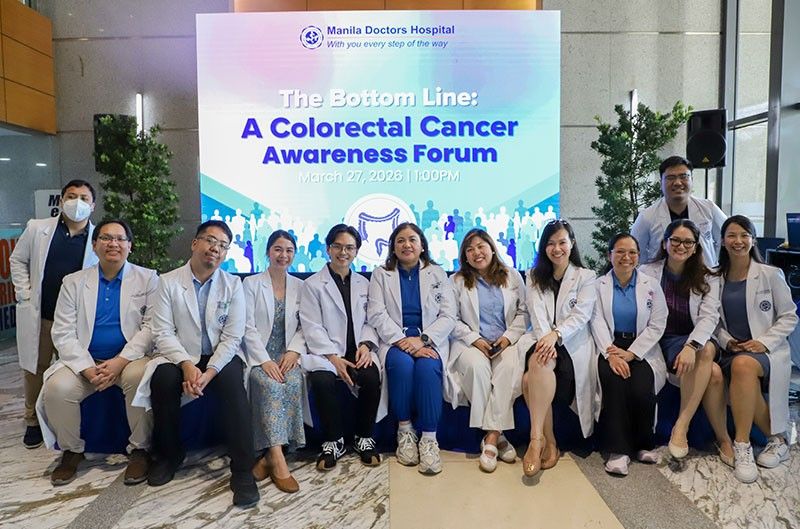
Despite common fears, colonoscopy today is a routine, safe and highly effective procedure that allows doctors to both detect and prevent disease in one step.
At Manila Doctors Hospital’s Endoscopy Unit, Cloa and her team continue to emphasize not just accuracy in diagnosis, but also patient comfort and safety throughout the process.
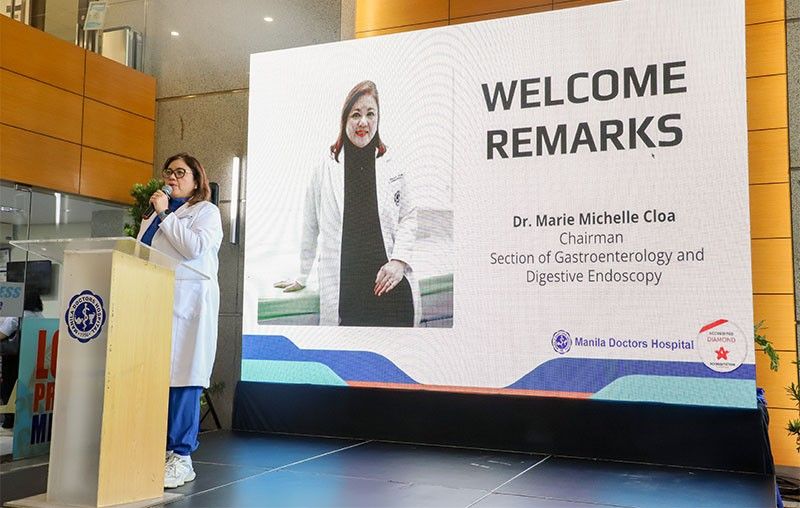
“Don’t wait for symptoms. Because when it comes to colorectal disease, what you don’t feel can still hurt you—and catching it early can make all the difference,” she ends.
About Manila Doctors Hospital
Manila Doctors Hospital is a premier tertiary hospital founded in 1956 by a group of physicians. As one of the leading healthcare institutions in the country today, Manila Doctors Hospital offers holistic care and wellbeing to its local and international patients by providing them with one of the most advanced facilities and healthcare technology in the Philippines.
Strategically located at the heart of Manila, MDH continues to revolutionize the healthcare industry by accelerating the quality of the medical profession and embracing the challenges of providing accessible, comprehensive, and quality healthcare in the country. For more information, visit Manila Doctors Hospital at www.maniladoctors.com.ph, fo
Editor's Note: This #Brandspace story is created with Manila Doctors Hospital. It is produced by the Advertising Content Team that is independent of our Editorial newsroom.


