Dynasties stronger in poverty-stricken areas – CEAP
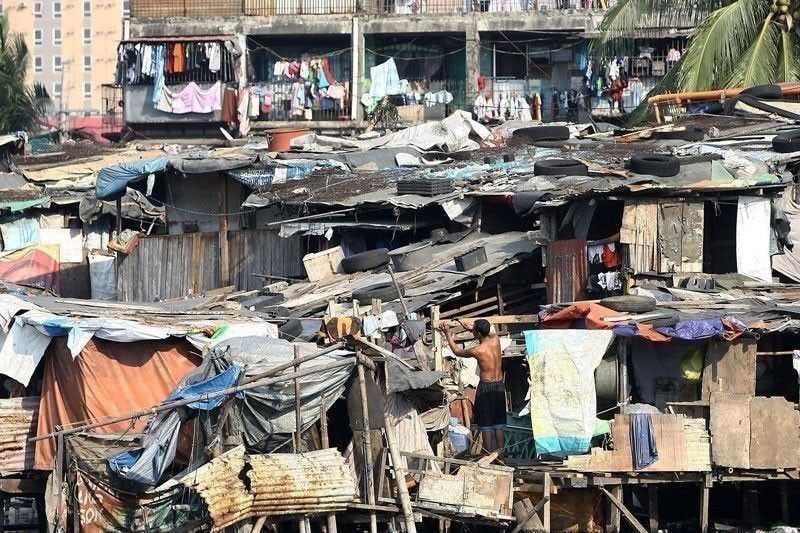
MANILA, Philippines — Strong dynastic presence is linked to some areas with poverty, inequality, weaker human development outcomes and political violence, according to the Catholic Educational Association of the Philippines.
Citing a study, the CEAP said effects vary across provinces and regions, “but the institutional concern remains clear: democracy suffers when political power becomes difficult for ordinary citizens to enter and difficult for institutions to challenge.”
Last month, the Supreme Court ruled that Congress has a mandatory constitutional duty to enact an anti-political dynasty law and the prolonged inaction had exceeded a reasonable period.
“A second-degree limit covers immediate family relationships. A fourth-degree limit reaches a wider network of blood and marital relationships and addresses the possibility of political families distributing positions among relatives beyond the immediate household,” the CEAP said.
Concentrating political power in the hands of a few families “weakens political competition and narrows access to public service. It can deepen patronage, clientelism, vote-buying and political dependency,” the group stressed.
Ecological protection belongs in the political dynasty debate, the CEAP said.
“The issue concerns who controls decisions over resources that affect everyone. It concerns who receives the benefits and who carries the costs. It concerns environmental justice, human dignity, participation and the protection of creation for present and future generations,” the CEAP said.


- Latest
- Trending