


The art of the micro-joy: How to stay soft in a loud world
Before my feet even touch the floor, it seems the world is already asking for my peace. Within three swipes of my phone, I can be hit with news of global crises, economic dread, and internet arguments. Between personal hurdles and the chaos beyond my front door, disillusionment can creep in like a sudden chill.
Traditional self-care tells us to escape—to take an expensive vacation, manifest a stress-free life, or somehow create a bubble untouched by reality. But we cannot manifest away hardship. True peace isn’t about waiting for the world to fix itself or pretending everything is fine. I’ve come to believe it is found in a quiet, rebellious practice called the “micro-joy”—a deliberate choice to anchor our minds in tiny, ordinary moments of grace that chaos cannot take away.
1. Guarding the first golden hour
The quickest way to lose your peace is to give it away to strangers before you’ve even brushed your teeth. Waking up and instantly scrolling through headlines plugs your mind into a collective anxiety machine. You begin reacting to the world before you’ve had a chance to simply exist in it.
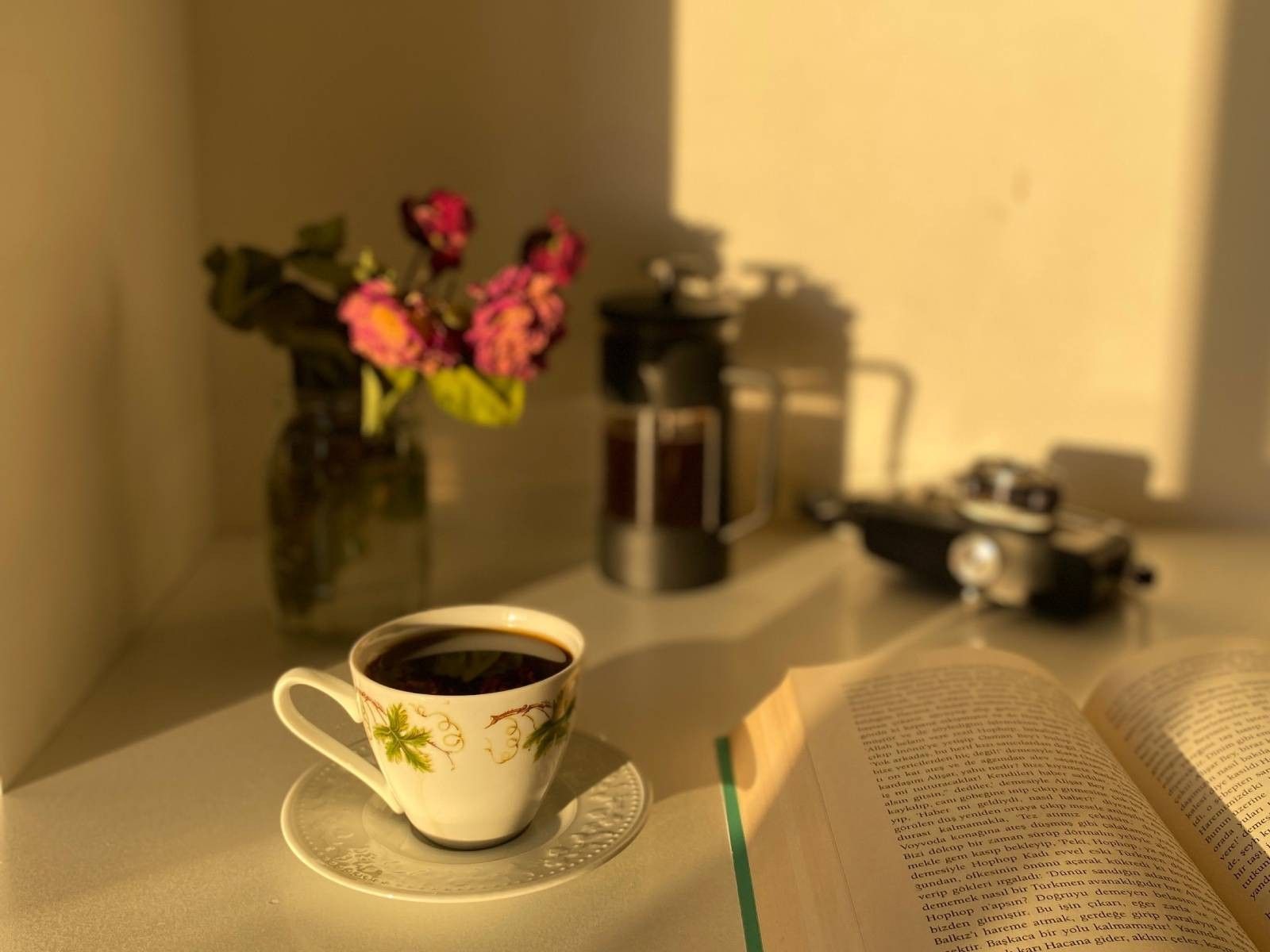
Instead, practice curated silence during your first hour awake. Don’t start scrolling on your phone. Drink your coffee while watching the morning light move across the wall. Stretch. Pray. Breathe. Simply enjoy the quiet before the day gets loud.
That first hour becomes a mental and spiritual buffer, a gentle reminder that before the world starts making demands, you are already held.
2. Embracing “radical low expectations”
Disillusionment is often the painful crash between heavy expectations and an imperfect reality. We expect systems to be fair, people to behave as we wish, and timelines to unfold according to plan. When they don’t, we feel defeated.
Radical low expectations aren’t about becoming cynical; they’re about becoming free. When you forgive the day ahead for being messy, you stop fighting reality and start working with it. Lowering the pressure of a “perfect” life makes room to appreciate the life you have.
If your day is only 50% successful, celebrate the half that worked. And trust that our Heavenly Father can work with the unfinished, the unexpected, and even the broken pieces.
3. Moving into your senses
Anxiety is a time traveler. It lives in the future, worrying about what hasn’t happened, or in the past, replaying what already has. But peace lives in the present—in this breath, room, and moment.
When the world feels too heavy, step out of your head and into your senses. Notice the warmth of a freshly washed towel. Breathe in the bright fragrance of peeled citrus. Listen to the gentle sizzle of food cooking.
These moments cost nothing, yet they can become tiny anchors. They remind us that even amid uncertainty, there is still beauty to behold.
4. Peace as an Act of Faith
It is easy to feel guilty for being happy when the world is hurting. We sometimes mistake constant worry for empathy, as if carrying every tragedy in our hearts will somehow make it better.
But we are not asked to carry the whole world. God is.
Choosing to remain soft, kind, and peaceful in a harsh world is not indifference. It is an act of faith. We can care deeply without surrendering our peace. We can pray for what we cannot fix, help where we can, and release the rest into hands greater than ours.
Heartfelt prayer can sometimes be the most powerful micro-joy of all.
I often find myself praying simply: Lord, help me carry what is mine and surrender what is not. Help me remain compassionate without being consumed, and peaceful without becoming indifferent.
Dropping the anchor
Peace isn’t a quiet, remote island we reach once our problems are solved. It is the anchor we choose to drop right in the middle of the storm.
The world may remain chaotic. Life may remain imperfect. But when we collect our micro-joys—a good book, a warm cup of tea, a laugh with a friend, a morning prayer—we build a life that is resilient, grounded, and beautifully soft.
Maybe staying soft in a loud world is not weakness after all.
Perhaps it is how we remember who—and whose—we are.