CBCP says it gives priority to mental health issues

MANILA, Philippines — Even before the Inter-Agency Task Force on the Management of Emerging Infectious Diseases (IATF) made its appeal to religious leaders, an official of the Catholic Bishops’ Conference of the Philippines (CBCP) said they have already given priority to mental health issues and addressing the problem of depression which has led to an increase in suicide incidents in the country.
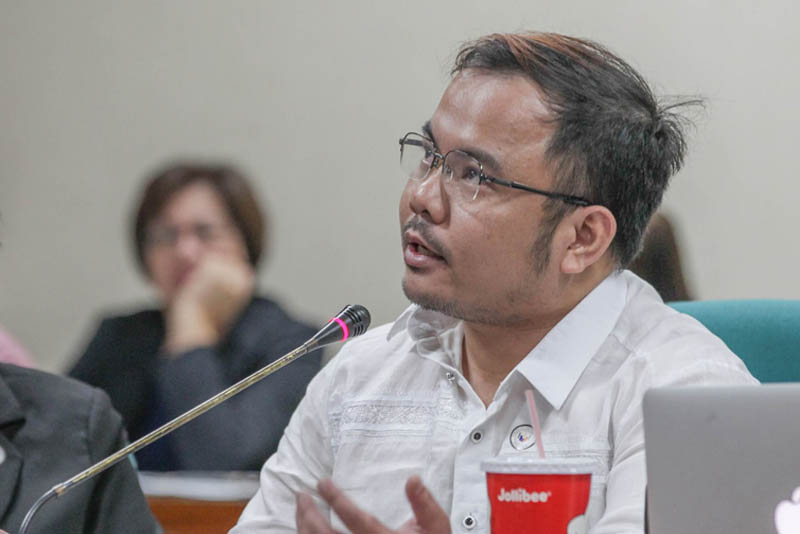
CBCP Public Affairs Committee (PAC) secretary general Fr. Jerome Secillano over the weekend said they have been aware that, as a result of the coronavirus disease pandemic, more people have become depressed, some of whom have reached the point of committing suicide.
“The Church recognizes that problem early on, and as pastors we have been doing our utmost best to respond to it. We conducted awareness seminars, zoom meetings with parishioners and we deliver messages of hope and consolation during our homilies,” said Secillano.
“Personally, I even offered counseling over the phone to some disgruntled individuals,” he added.
The IATF sounded an alarm on the increased suicide rates, some of them having fallen into depression because of loss of livelihood, anxiety of being afflicted with or dying of COVID-19, loneliness due to isolation, and becoming hopeless and fearful that they would not be able to return to their normal lives.
“What an irony that the Church is being asked to help when the government doesn’t even allow people to physically participate in religious services,” said Secillano.
Some people, during their time of despair, turn to prayer for solace, guidance and help. But since only 10 persons are allowed to attend religious services even during general community quarantine (GCQ), many are deprived of physically attending mass.
Justice Secretary Menardo Guevarra earlier said that the decision to keep the number of attendants in churches to just 10 persons was in response to the request of the Metro Manila mayors. However, outside Metro Manila, they allow churches to fill up to 10 percent capacity in GCQ areas.
Secillano added that the government, for its part, should address the root cause of the problem such as poverty.
“But more than what the church is doing, I think the government should look into the root causes of this phenomenon. It is not a surprise anymore, but at the root of it is the extreme poverty and uncertainty brought about by this pandemic,” he added.
According to a July 15 report of CBCPNews, the CBCP’s Episcopal Commission on Health Care (ECHC) had said the pandemic has caused an increase in psychological suffering. Months of quarantine have led to mental health issues, especially with the young generation.
Communities are experiencing mental stress. Those most at risk are those grieving the death of a family member, healthcare frontliners, elderly and young people.
The CBCP-ECHC has also been advocating for parish-based mental health programs.
For the Diocese of Kalookan, Bishop Pablo Virgilio David said they are aware of the increase in suicide rates in the country and that is the reason for their organizing “health care volunteers,” and partnering with their local government units and barangays to monitor those affected by COVID-19.
‘Allow parishioners to attend masses’
Manila Auxiliary Bishop Broderick Pabillo said to help more people, the government has to allow more parishioners inside churches and hear masses while observing social distancing.
In an interview over the Church-run Radio Veritas, Pabillo said they would be able to help more people manage their mental stress, brought about by their situation during the pandemic, if government would allow parishioners to attend religious services such as masses.
“Religious services are essential services needed by the people. So if they want, we would help since some of those in need have already been approaching the church. But we need to open the churches more to people who want to hear mass because it helps the people. By the fact that they are coming to the church, participating in the celebration, it would help avoid many mental health problems,” Pabillo said.


- Latest
- Trending