BFAR to hold public consultations on proposed prawn import rules
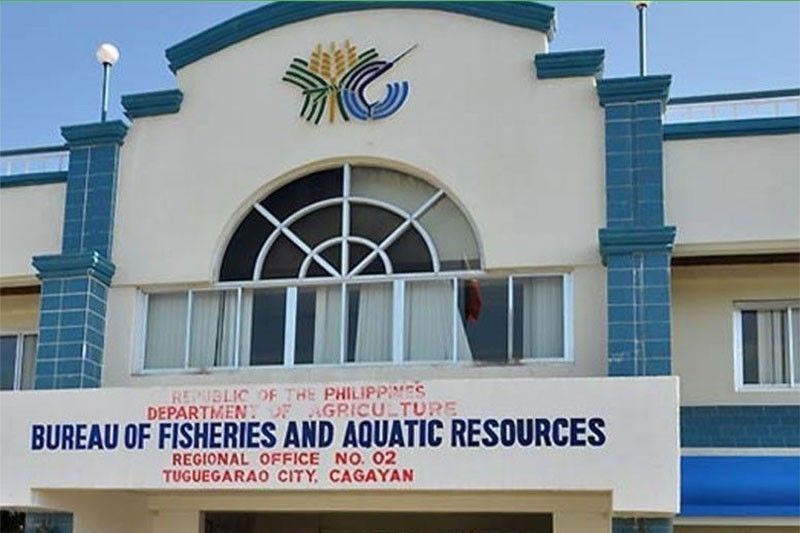
MANILA, Philippines — The Bureau of Fisheries and Aquatic Resources (BFAR) will begin a series of public consultations this week on proposed regulations governing the importation of freshwater prawns, a move seen to align aquaculture production with stricter biosecurity measures.
The consultations will tackle a draft administrative circular covering the importation of Macrobrachium rosenbergii, known locally as ulang or giant freshwater prawn, one of the world’s largest freshwater species widely farmed for its commercial value.
Online cluster meetings are scheduled on Sept. 17 for Luzon, Sept. 18 for Visayas, and Sept. 19 for Mindanao, with sessions running from 9 a.m. to 4 p.m. via videoconference.
BFAR said the rules aim to strike a balance between expanding opportunities for local prawn farming and ensuring stronger biosecurity controls to prevent the spread of aquatic diseases.
“Allowing the importation of this species under strict regulations will support hatchery development, enhance the supply of post-larvae, increase aquaculture production and contribute to the overall development of the country’s fisheries sector,” the draft circular said.
Stakeholders were encouraged to study the proposed circular released on Sept. 8 and take part in the consultations.
The draft circular lays down new rules for importing Macrobrachium rosenbergii to strengthen hatchery development, ensure a steady supply of post-larvae and expand aquaculture production.
It also proposes the creation of an import risk analysis panel to evaluate the biosecurity and health conditions of breeding facilities from exporting countries.
Under the draft, importers would be required to secure certificates of compliance, licenses, and sanitary and phytosanitary import clearances before prawns are allowed entry.
Pre-border, border and post-border measures, including quarantine and laboratory testing are among the safeguards listed.
The circular further outlines penalties for violators, such as fines ranging from P300,000 to P500,000, forfeiture and destruction of goods and imprisonment of up to eight years for offenses such as smuggling or falsifying documents.
The country’s shrimp industry was valued at P27.41 billion in 2020, according to the DA’s National Shrimp Industry Roadmap 2022-2040, highlighting the scale of the local market for this aquaculture product.





- Latest
- Trending