BOC sets guidelines for RCEP tariffs
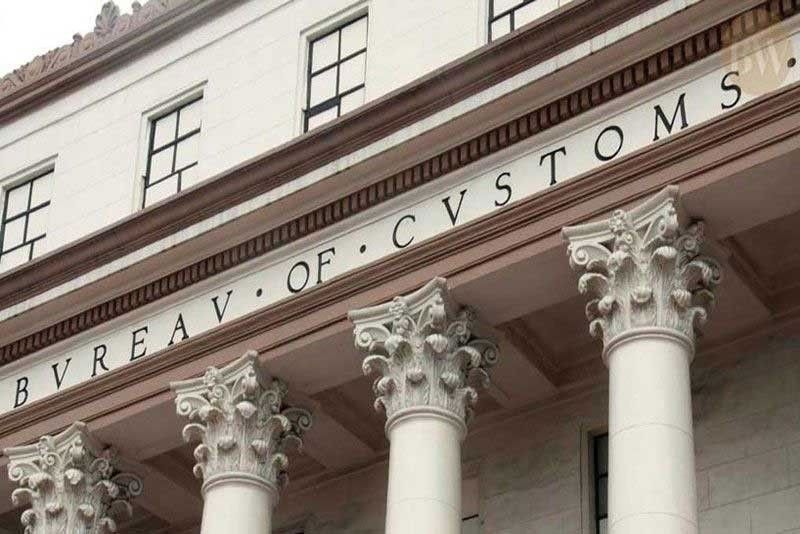
MANILA, Philippines — The Bureau of Customs (BOC) has released the guidelines for obtaining preferential tariff treatment as the Philippines enforces the largest regional free trade agreement.
Customs Commissioner Bienvenido Rubio recently issued a memorandum order setting the guidelines for export and import tariffs as the Regional Comprehensive Economic Partnership (RCEP) officially comes into force
The order noted that imported goods that originate from any of the 15 member countries are the only ones eligible to claim the preferential tariff rates provided by the RCEP.
The order also outlined specific procedures that must be followed for the issuance and acceptance of the so-called “certificate of origin.”
Signed in November 2020 by Southeast Asian economies, alongside trade partners China, Japan, South Korea, Australia and New Zealand, RCEP accounts for 30 percent of the world’s population, 29 percent of gross domestic product and trade, and 33 percent of global inward investments.
The agreement provides enhanced trade facilitation provisions that make cross-border trade simpler and more efficient.
It covers trade in goods, services, investments, economic and technical cooperation as well as dispute settlement, among others.
As part of the RCEP agreement, certificates of origin have been mandated to accompany goods as they are transported between member countries.
This official document attests to the country of origin of the goods, allowing customs authorities, importers, and exporters to monitor the movement of goods within the RCEP trading bloc.
To qualify for the RCEP tariff rates, importers must obtain this certification along with a declaration of origin from exporters who have been authorized by the Philippines, as specified by the BOC.
Further, the BOC has tasked its Export Coordination Division (ECD) to scrutinize all submitted certificates of origin and applications for approved exporter status.
“ECD shall carry out verifications of the originating status of the goods upon request of the RCEP importing party or based on risk analysis criteria,” the memorandum order said.
“Verification can be made based on documents requested from the exporter or producer or by inspections at the exporter’s or producer’s premises,” it said.
However, the BOC clarified that the final determination on the rate of duty shall be based on the assessment of the submitted documents from the importers.
On the other hand, exporters are required to submit an application with the ECD for the issuance of a certification of origin for RCEP.
The application should include the necessary supporting documents, such as an export declaration, commercial invoice, airway bill, and other relevant permits.
RCEP aims to eliminate tariffs on a minimum of 90 percent of the commodities traded between member countries, while also strengthening regulations for non-tariff measures.
Within the trade agreement, the Philippines retained its existing preferential tariff rates for 98.1 percent of the 1,718 agricultural tariff lines, as well as for 82.7 percent of the 8,102 industrial tariff lines.


- Latest
- Trending