DA: ASF fear caused pork price drop
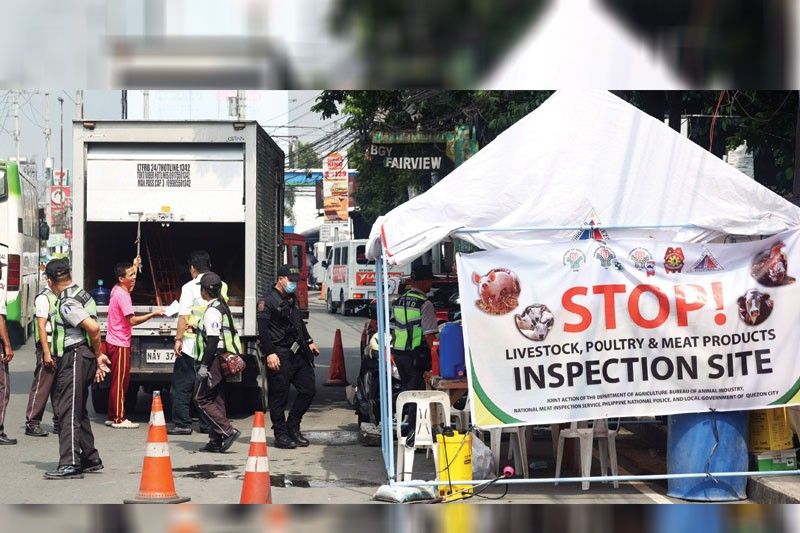
MANILA, Philippines — Fears of another African swine fever (ASF) outbreak, not over-importation, drove pork prices lower, the Department of Agriculture clarified yesterday.
Price drops were a result of hog raisers selling their animals earlier than planned when the rainy season approached, increasing market supply, Agriculture Secretary Francisco Tiu Laurel Jr. said.
“Rather than risk getting hit by ASF, or having an outbreak occur next door, they want to sell everything before they are affected,” Tiu Laurel said, describing the move as a “fastbreak.”
Last year’s ASF outbreak led to the increased prices of pork belly (from P450 to P490 per kilo) and shoulder (to around P400), he recalled.
Citing data from the Philippine Statistics Authority, Tiu Laurel said pork production in the second quarter climbed by 5.6 percent to 412,280 metric tons.
Average farmgate prices, however, fell by nearly 19 percent to P172.44 per kilo from P211.91 a year earlier.
In Mindanao, Tiu Laurel said hog prices declined despite little imported pork entering the region.
According to the Bureau of Animal Industry (BAI), the import volume for 2026 is expected to plunge by around 50,000 metric tons from 851,760 metric tons last year due to higher local production and import volume by food processors in 2025.
Tiu Laurel said once the BAI approves the commercial rollout of an ASF vaccine, hog raisers will expand production, which will stabilize domestic supply and reduce the need for imports.
“High prices encourage producers to expand, but disease fears can quickly trigger liquidation, creating sudden swings in supply and prices,” he said.
While the latest decline is a relief to consumers, Tiu Laurel said hog raisers are challenged to have greater protection from ASF for expansion, steady domestic pork supply and reduced reliance on imports.


- Latest
- Trending