SC highlights importance of ‘justice zones’
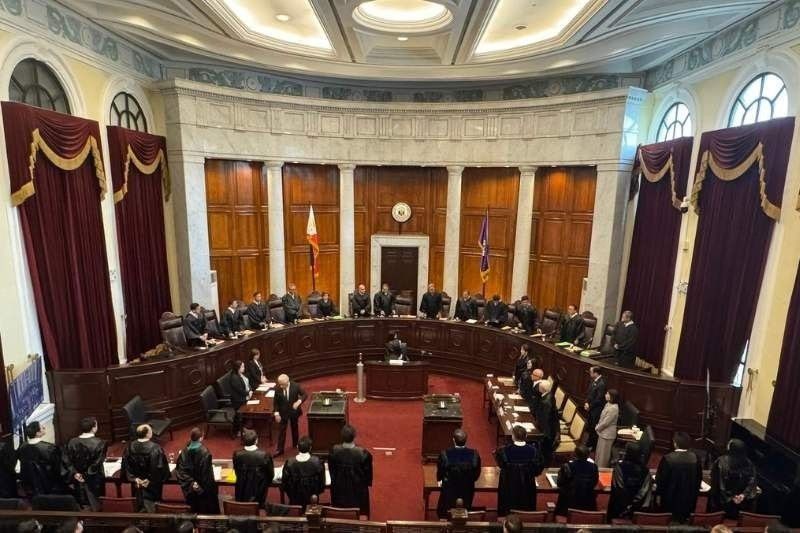
MANILA, Philippines — The Supreme Court (SC) yesterday emphasized the need to enhance inter-agency coordination among government bodies handling justice and law, as evidenced by its establishment of 13 out of 20 “justice zones” across the country in the past five years.
SC Associate Justice Maria Filomena Singh presented the high court’s accomplishments during yesterday’s Justice Sector Coordinating Council (JSCC) Summit in Manila.
The justice zones, she explained, would be “envisioned to be ‘local pockets of efficiency’” where “courts, prosecutors, law enforcers and other justice sector partners directly work and communicate with each other to address local justice problems and ensure delivery of justice real-time.”
She noted that two particular justice zones “show(ed) improved case disposition rates, jail congestion rates, faster processing time for parole and probation applications and increased number of preliminary investigation and inquest proceedings conducted and completed.”
She cited as examples the reduction of jail congestion at the Naga City jails “from a high of 300 percent… now down to 50 percent” through the Naga City Justice Zone, and the period for processing parole and probation applications in the Balanga City Justice Zone plunging “from around 200 days in 2021 to 60 days today.”
Singh described the statistics as “encouraging… because they tell us that coordination is not merely about meetings memoranda, circulars or a paper structure.”
“When coordination actually works, people directly experience its results and the delivery of justice is felt,” she said.
The JSCC, which turned 16 this year, is composed of the SC as lead convener, the Department of Justice and the Department of the Interior and Local Government that “work on cross-cutting issues affecting the justice system while at all times respecting and preserving the independence of the offices and agencies.”
The body also aims to “adopt a coordinated strategy to justice sector policymaking, planning and operations for a coherent and effective sectoral approach to the administration of justice.”
Singh also laid down the JSCC’s future plans, which include the development of the “victim-sensitive guidelines in the justice system,” aimed at “protecting the safety and privacy of victims, support their right to information and services, their recovery and rehabilitation and provide special safeguards for children and persons with disabilities.”
She also reported the high court is “done with the writing of the Manual and the Protocol for Handling Cases Involving Women in Conflict with the Law” that would address “gender-specific needs of women throughout the justice process, from investigation, apprehension and prosecution, trial, detention and eventual reintegration.”


- Latest
- Trending