


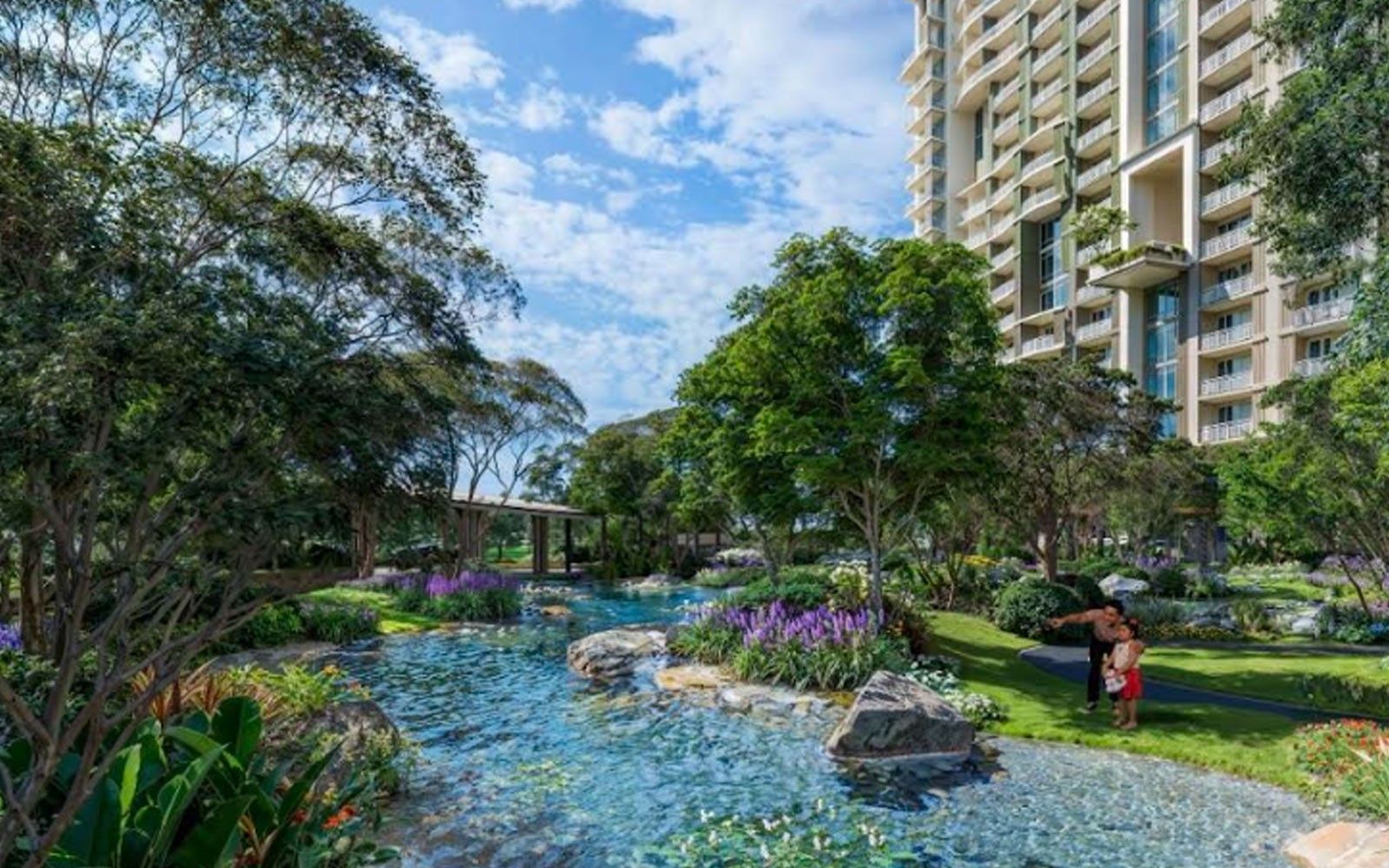
The Kalea Heights in Barangay Guadalupe, Cebu City.
CEBU, Philippines — Cebu City’s growing status as the Philippines’ second-largest condominium market is shifting the competitive landscape for developers, as buyers increasingly scrutinize what they get beyond location, price and investment potential.
The market’s maturation is raising expectations for residential projects, with space, ventilation, access to greenery and services that improve everyday living becoming more important differentiators, according to property consultancy Colliers Philippines.
The shift is prompting developers to rethink the traditional condominium proposition, particularly in an urban market where density, traffic and the tropical climate make the quality of residential environments increasingly consequential.
DMCI Homes is seeking to tap that demand through Kalea Heights in Barangay Guadalupe, its first development in Cebu City. The project brings the developer’s approach to residential design — centered on space, functionality and shared amenities — into a market increasingly shaped by more discerning buyers.
The 4.6-hectare development allocates 3.6 hectares to open space, including landscaped areas, parks, trails and communal gathering spaces. The company said the allocation is the largest among condominium projects in Cebu.
In a market where developers are competing for buyers through increasingly elaborate amenity packages, the amount of usable open space may offer a more tangible measure of value than promotional features alone.
Kalea Heights also incorporates DMCI Homes’ Lumiventt Design Technology, designed to improve natural ventilation and daylight penetration, alongside single-loaded corridors intended to enhance privacy and airflow.
The design addresses a practical consideration in Cebu’s tropical environment: the cost and comfort implications of living in densely built residential developments.
The project’s amenities include Sky Parks and Sky Lounges, fitness facilities, outdoor recreational areas, multipurpose courts and entertainment spaces. These are intended to extend communal living beyond individual units, although the long-term value of such facilities ultimately depends on their maintenance and actual use by residents.
The developer is also incorporating digital services and mobility features, including subscription-free commercial-grade fiber internet in units and selected common areas, an app-based carpooling service and a mobile application for community-related transactions.
Its HomeEase program provides assistance with move-in requirements, while residents who pay association dues on time are eligible for at least five gallons of drinking water monthly.
Such services reflect a broader industry effort to differentiate residential developments through operating convenience rather than physical amenities alone. But for buyers, their value will depend on reliability, accessibility and whether the benefits remain sustainable after occupancy.
Cebu’s condominium market has become more competitive as developers target a broad range of buyers, from end-users and young professionals to investors and households seeking to upgrade their living arrangements.
The challenge for developers is increasingly to demonstrate that a project can deliver value throughout its lifecycle — from construction quality and unit design to property management, maintenance and community experience.
Kalea Heights marks DMCI Homes’ entry into Cebu City, expanding its presence beyond Metro Manila, Baguio, Boracay and Davao. The company is drawing on the construction experience of parent D.M. Consunji Inc., which has more than seven decades of industry experience.
As Cebu’s residential market evolves, the competition may increasingly hinge not on how many amenities a project can advertise, but on whether developers can deliver homes that remain functional, comfortable and worthwhile long after buyers have moved in.




- Latest