Stocks expected to recover this week
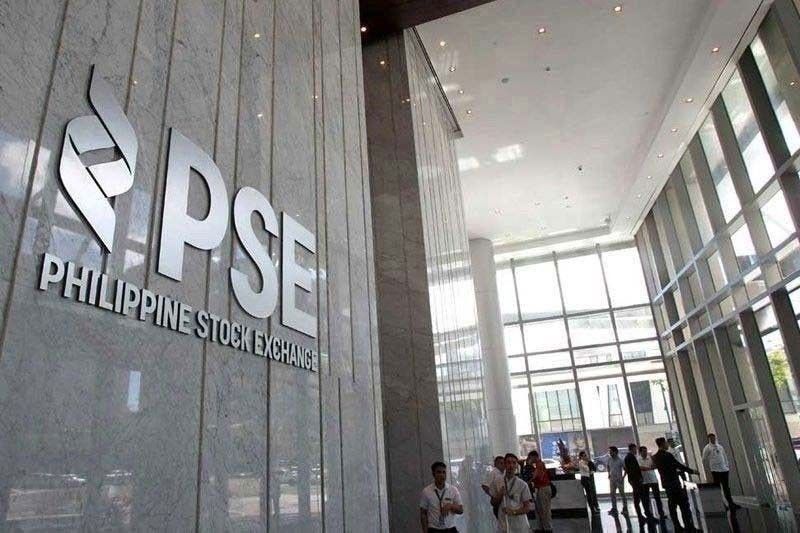
MANILA, Philippines — The local stock market is expected to bounce back this shortened trading week after taking heavy losses last week.
The Philippine Stock Exchange index (PSEi) fell below the 6,000 level last Friday to 5,956.33, down by 4.52 percent week-on-week.
Philstocks Financial research manager Japhet Tantiangco said the local market suffered its steepest weekly drop of the year so far last week as confidence toward the Philippine economy weakened further due to growth forecast downgrade by institutions, the Bangko Sentral ng Pilipinas (BSP)’s policy tightening and the decline of the peso.
Tantiangco said a technical bounce could be seen this week, driven by bargain hunting, with the market showing the possibility of a brief rebound before another round of bearish moves.
“At its closing last week, the local market stood at a price-to-earnings ratio of 10.6x, below the last five years’ average of 14.4x and the regional average of 16.2x. This implies that the bourse is at bargain levels setting it up for a possible bounce in the short run,” he said.
However, Tantiangco said the medium term outlook is still bearish given the weakening economic outlook.
For its part, 2TradeAsia.com said the PSEi enters the week in a precarious technical condition, hugging closer to the critical 6,000 support level.
It expects gradual positioning with several stocks at historic lows.
“For now, a meaningful market bounce hinges on domestic institutional funds stepping in to absorb foreign supply, yet conviction remains thin without fundamental catalyst support,” it said.
With August inflation scheduled to be released on Sept. 4, 2TradeAsia.com said a print north of six percent would not surprise and might keep BSP’s hawkish tilt intact into the fourth quarter.
Within local equities, DragonFi Securities said the rate backdrop cuts unevenly, with banks typically benefiting from higher earning-asset yields.
However, it said that tailwind is now running against weaker economic growth and the credit costs that come with it.
DragonFi Securities said property developers, especially the highly leveraged ones, face a more expensive cost of debt just as demand softens, while REITs face pressure from a widening yield gap.
It said growth names do not benefit either, as higher discount rates compress the value of earnings that sit years out.
“That said, the downside may prove short-lived. If incoming data on El Niño and wages are benign and the market grows confident the BSP is done, equities will begin pricing the end of the tightening cycle well before the first cut arrives,” DragonFi Securities said.
There will be no trading today in observance of National Heroes Day.






- Latest
- Trending