US tariff impact on Philippines growth minimal – DEPDev
MANILA, Philippines — A 19-percent tariff on Philippine exports to the United States is expected to have minimal impact on economic growth, but potential trade diversion is a concern, according to the Department of Economy, Planning and Development (DEPDev).
“As we have done the estimates, the potential impact of 20 percent or 19 percent (tariff), it’s not really that much,” DEPDev Secretary Arsenio Balisacan told reporters yesterday.
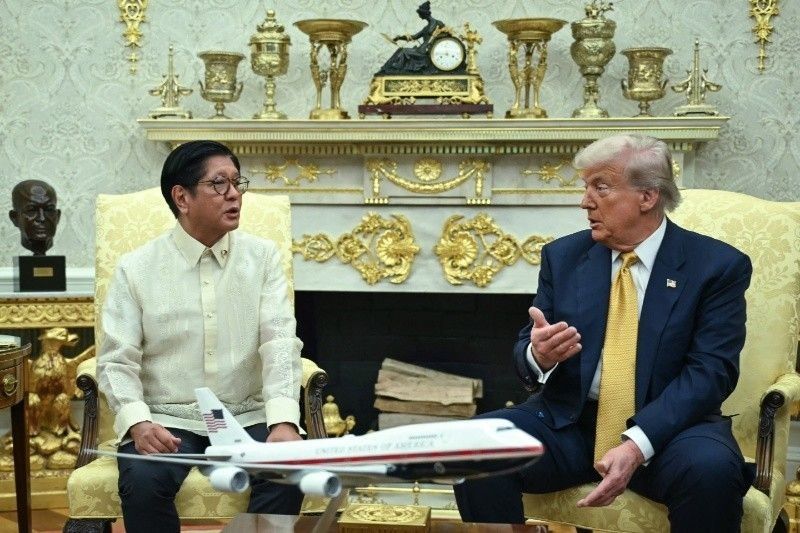
US President Donald Trump said that a 19-percent tariff would be imposed on Philippine goods under a trade deal reached with President Marcos.
This tariff is lower than the 20-percent levy that was supposed to be slapped on Philippine exports to the US starting Aug. 1, but higher than the 17-percent tariff announced back in April.
Trump also said the Philippines would be opening the market for US goods at zero tariffs.
Marcos said the zero tariff, however, would only apply to certain goods including automobiles.
The 19-percent tariff places the Philippines on equal footing with Indonesia and is the second lowest in Southeast Asia next to Singapore.
“That to me is still a very good outcome,” Balisacan said.
However, Balisacan said that potential trade diversion is a concern.
“Remember that we even import more from countries in the Asian region than in the US and export also a lot. So it’s the trade opportunities and the changes in those opportunities because of those changes in tariffs applied to each country [that] matter more than the absolute level of the tariff that’s given to us,” Balisacan said.
Reyes, Tacandong and Co. senior adviser Jonathan Ravelas said the deal places Philippine exporters at a competitive disadvantage.
“With zero tariffs on US imports, the local market may be flooded with cheaper American products, threatening domestic industries unless protective measures are introduced,” Ravelas said.
He said electronics, garments and agricultural exports are expected to be most affected.
Moody’s Analytics economist Sarah Tan said in an email that while allowing US products into the country without tariffs might benefit Filipino consumers through lower prices, it would also put pressure on local producers who may not be able to compete on cost.
“Over time, this could hurt domestic industries and lead to further job displacement,” Tan said.
According to Tan, this could weaken the Philippines’ trade position and threaten broader job stability across the economy.
“The Philippine government should strongly push for carve-outs, especially for vital sectors like electronics to ensure a balanced and inclusive growth,” Tan said.



- Latest
- Trending