

Fabric gallery showcases indigenous weaving as art
CEBU, Philippines — ANTHILL Fabric Gallery has launched its first textile art exhibition, highlighting a shift in how indigenous weaving is seen—not just as a craft, but as cultural heritage and creative expression
Titled “Habol, Hablon, Hinablon: Until Now, We Learn,” the show opened on July 3 at ANTHILL’s headquarters in Pedro Calomarde St. corner Acacia St., Gorordo Ave., and runs through October 3, 2025.
The event signals a new chapter for the 15-year-old social enterprise, which has long championed Filipino weaves and artisan partnerships across the Philippines.
The exhibition also emphasizes a growing interest in Philippine textile arts within the global design community, as traditional crafts increasingly intersect with themes of sustainability, cultural authorship, and post-colonial narratives.
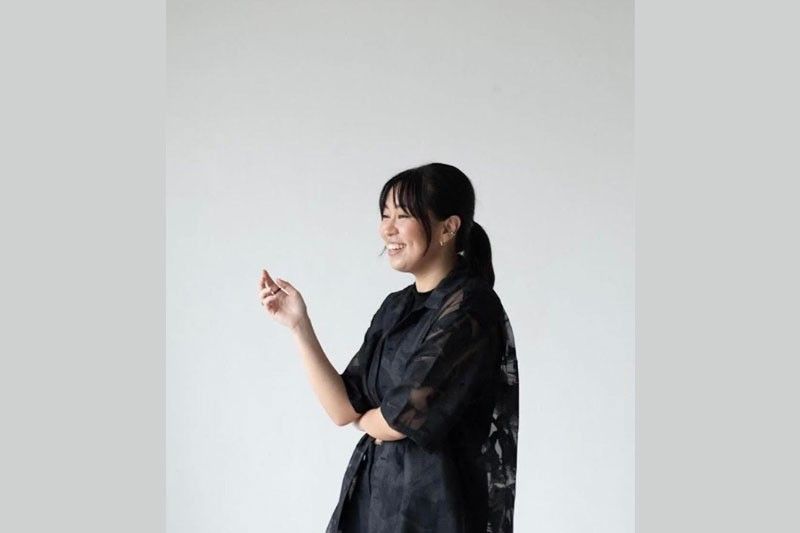
Curated by New York-based Cebuana researcher and designer Kaye Yuvallos, the exhibition features new works by another Cebuana fashion designer Jessica Durano and master weaver John Rey Sanchez.
The months-long collaboration reframed weaving as a practice of self-discovery, not merely preservation—challenging long-held assumptions of indigeneity, materiality, and artistic intent.
“This isn’t a show about polished artifacts or fixed identities,” said Yuvallos. “It’s about how stories are made through making—and the ongoing process of becoming.”
Meanwhile, Durano, known for her work in sustainable fashion and community-led design, turned inward for this series. Her installation “Luwas” (Safe) utilizes coarse abaca fibers to disrupt traditional notions of comfort, while “Diwa” (Spirit) uses local materials and dried flowers to articulate personal transitions.
For Sanchez, who has spent two decades as a production weaver in the background of Cebu’s craft sector, the exhibition marks a public debut as an artist. His works “Kahupayan” (Comfort) and Pagsubang (The Sun Rises) are positioned as declarations of visibility and creative authorship.
“I’ve been behind the scenes for 20 years. Now it’s my time. I’m stepping out of the cave,” said Sanchez.
ANTHILL’s 15th anniversary showcase highlights the evolution of Philippine weaving from utilitarian tradition to expressive art—aligning with broader global shifts in the creative economy, where cultural industries are gaining new footing in policymaking and investment strategies.
Live weaving performances during the opening reinforced the exhibition’s communal intent.
Durano and Sanchez created new works, “Unta” and “Yano”, on-site in front of guests—demonstrating that weaving is not merely a process, but a ritual and a language.
Yuvallos emphasized that the exhibition functions as a shared offering, saying “We created the show as a space where weaving becomes not just a method of making, but a way of sensing—of tracing where we’ve been and of hoping for where we might go.”
With growing global interest in artisanal products and design rooted in place-based storytelling, exhibitions like Habol, Hablon, Hinablon position Philippine heritage at the center of soft power discourse.
Cebu’s design sector, often overshadowed by Manila, is steadily carving a niche through its blend of grassroots craftsmanship and internationally attuned sensibilities.
For ANTHILL, this exhibition is not merely a celebration of its 15-year milestone—it is a long-term strategic move toward institutionalizing weaving as both cultural practice and contemporary art form.
ANTHILL Fabric Gallery is a pioneering social enterprise and creative lifestyle store based in Cebu City, established in 2010 by the mother–daughter team of Annie and Anya Lim. — (FREEMAN)







- Latest