British Chamber warns pork tariff hike may fuel inflation
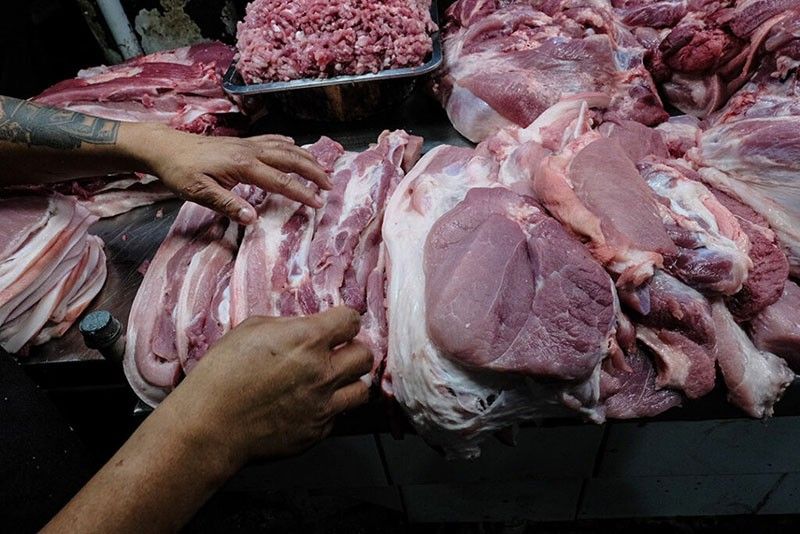
The British Chamber of Commerce Philippines (BCCP) raised its concerns about the Department of Agriculture’s proposed tariff increase for pork imports, a significant commodity for Filipino consumers, which could exacerbate the upward trend in inflation at 7.2% in September.
The Chamber reiterated that inflation is already a key concern for 71% of Filipinos, citing the September Pulse Asia Survey.
In an interview, BCCP Executive Vice Chairman Chris Nelson said that, “Inflation has just reached 7.2%.
In that context, we would strongly urge the Philippines to keep its tariff rates as they are, because there has been some discussion about increasing tariffs [for pork]. We would certainly not want that to happen because, at this moment, inflation is a key consideration.
A recent Pulse Asia survey found that 71% said they did not think inflation was being handled quickly enough, which is a key concern. We look at long-term relationships, but in the short term there are challenges: the weakening peso, inflation, and the possibility of another increase in Bangko Sentral rates this Thursday.”
On 15 October, the peso breached a record low of P63 against the US dollar brought about by the renewed tensions in the Middle East, prompting the local economists to monitor its impact on inflation and import costs and urging the government to manage volatility by imposing safeguards to maintain stability in prices and investor trust and confidence.
Meanwhile, a BusinessWorld poll showed that the majority of the Philippine economists forecast the Bangko Sentral ng Pilipinas (BSP) to raise the target reverse repurchase rate anew by 25 basis points (bps) to 5.25%, possibly marking a fourth straight quarter-point hike in its monetary meeting scheduled on 22nd October.
The Chamber also participated in the Tariff Commission’s public hearing on the proposed Tariff Modification on Meat of Swine last October 12.
It echoed the sentiments of the Meat Importers and Traders Association (MITA) and emphasized that the country’s domestic pig herd has not yet recovered from the challenge of the African Swine Fever (ASF) and may further weaken the government’s efforts to manage inflationary pressures brought about by the war in the Middle East.
Nelson welcomed its scheduled meeting with the Department of Agriculture and looks forward to raising its concerns and further added that, “First, pig herds are still being affected by African swine fever, and herd numbers remain down. Let me stress one point: the UK is not the largest supplier of pork and beef, but our exports have grown significantly. What we want is to grow long-term relationships. Pork is obviously the most important product, but beef has also grown from a significant base. We look forward to continuing to work together. We urge the Department of Agriculture to rethink this move and keep tariff rates where they are today. Going forward, we want prices to remain lower and supply to remain stable.”





- Latest