6 Metro Manila cities to resume NCAP on Oct. 5
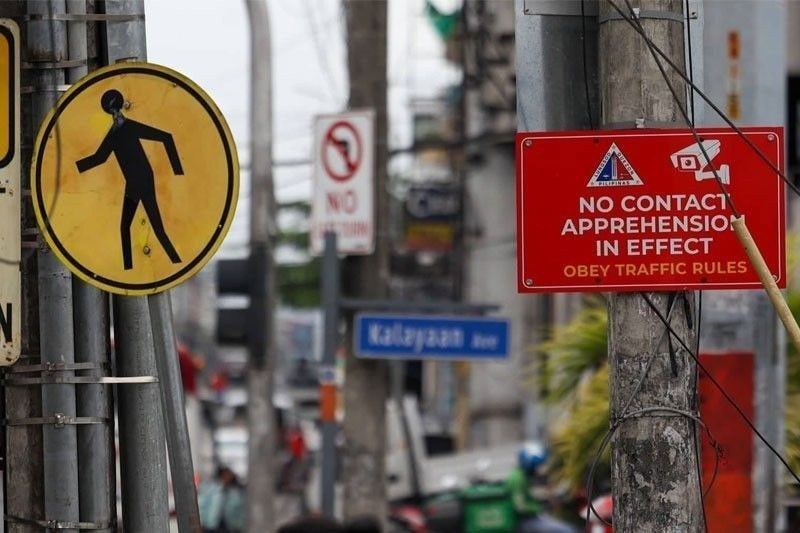
MANILA, Philippines — At least six Metro Manila local governments will resume the No Contact Apprehension Policy (NCAP) starting Monday, October 5, months after the Supreme Court lifted the remaining temporary restraining order against the traffic enforcement system.
The local governments that announced the resumption are Manila, Quezon City, Valenzuela, Parañaque, Muntinlupa and San Juan.
Under the renewed implementation, motorists will be able to check recorded violations through participating LGUs' online portals and pay fines through available digital payment channels.
Motorists who believe they were wrongly apprehended may also contest violations online through the respective LGU portals.
The participating local governments said fines will be standardized under the Metro Manila Traffic Code of 2023, which provides a common framework for traffic rules, penalties and procedures across Metro Manila.
The NCAP uses closed-circuit television cameras, digital cameras and other technology to record vehicles allegedly violating traffic rules without requiring traffic enforcers to stop motorists on the road.
TRO lifted
The Supreme Court issued a temporary restraining order against the NCAP in August 2022 after transport groups challenged the constitutionality of ordinances implementing the policy.
In May 2025, the high court partially lifted the TRO, allowing the Metropolitan Manila Development Authority (MMDA) to resume NCAP enforcement on major thoroughfares under its jurisdiction, including EDSA and C-5. The restraining order remained in effect against the ordinances of the local governments covered by the cases.
In a June 3, 2026 decision made public on July 9, the Supreme Court dismissed the consolidated petitions challenging NCAP ordinances in Manila, Quezon City, Valenzuela, Parañaque and Muntinlupa and lifted the remaining TRO.
The court ruled that the issues raised in the petitions had become moot following the adoption of the Metro Manila Traffic Code of 2023, which created a new and uniform traffic enforcement framework. It also cited procedural grounds, including lack of standing and failure to exhaust administrative remedies.
The Supreme Court, however, stressed that dismissing the petitions did not amount to a ruling that the NCAP issuances challenged in the cases were valid or constitutional.






- Latest
- Trending