

Mayor demands clear timelines for energy projects
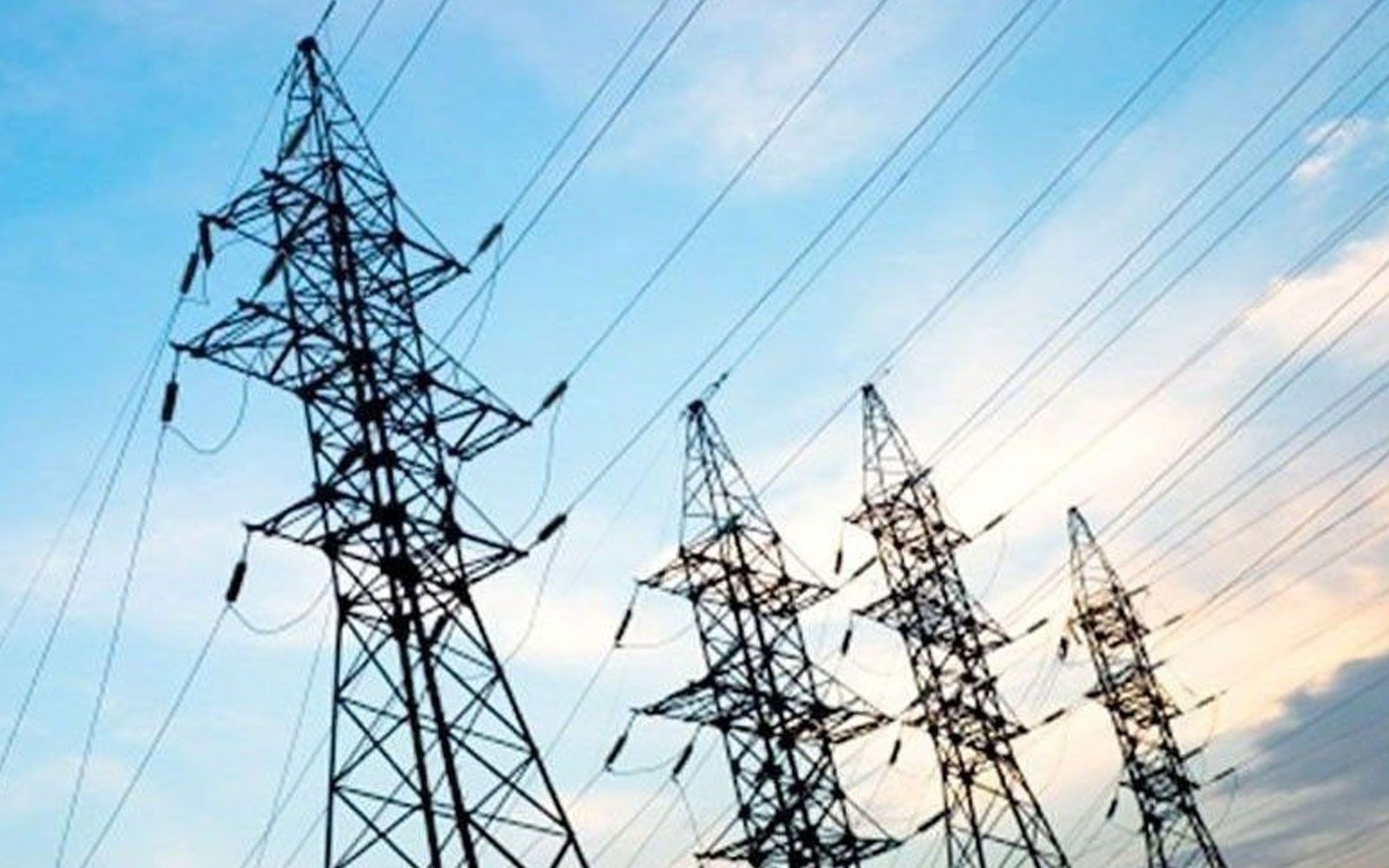
CEBU, Philippines — Worried that recurring power supply problems could disrupt the Christmas season and worsen as hotter weather associated with El Niño drives up electricity demand in the coming months, Cebu City Mayor Nestor Archival pressed power stakeholders to deliver concrete timelines for long-term energy projects that would strengthen Cebu's electricity supply and reduce its dependence on emergency measures.
During a meeting with officials of the National Grid Corporation of the Philippines (NGCP) and Visayan Electric, Archival sought assurances that Cebu would remain free of rotational brownouts despite recent red and yellow alerts affecting the Visayas grid.
The mayor, however, made it clear that short-term interventions alone would not solve the region's recurring power woes.
"Nindot unta nga naa moy projected dates. Ako ma'y mabalaka ani," Archival told NGCP officials as he sought updates on major transmission and reserve power projects discussed during the meeting.
Archival also signaled that City Hall would closely monitor commitments made by power stakeholders.
The mayor raised particular concern over the anticipated increase in electricity demand during the dry season, noting that hotter weather could place additional pressure on an already strained grid.
"Next year musugod na gyud ang mas init nga panahon ug mosaka ang demand sa kuryente," Archival said.
During the meeting, Neil Martin Modina, assistant vice president and head of Visayas System Operations of NGCP, explained that the Visayas grid had recently experienced both yellow and red alerts because operating reserves had fallen into negative territory.
"Gahapon naa tay red alert. Ang atong reserve negative na gyud," Modina said.
Despite this, Cebu avoided rotational brownouts after the grid secured additional supply from Mindanao and Luzon.
According to Modina, Mindanao delivered its full 450-megawatt allocation while another 250 MW was sourced from Luzon, helping cover the shortfall.
NGCP officials said Cebu's total power demand reaches around 1,400 MW, while local generation has been reduced to about 700 MW because of outages and reduced output from several generating facilities.
The remaining requirement is currently being supplemented by imported power from other parts of the country.
The discussion highlighted Cebu's growing reliance on imported electricity whenever major generating units in the Visayas become unavailable.
Modina said NGCP is optimistic that several major generating units would return before Christmas.
Among them is Unit 2 of Therma Visayas Inc. (TVI) in Toledo City, which has a capacity of 169 MW and is expected to return to service by December 2.
NGCP officials also said a generating unit of KEPCO-SPC Power Corp. in Naga City and another facility in Panay are expected to complete scheduled maintenance and resume operations by early December.
Recent industry reports have likewise identified the restoration of major units of Therma Visayas and KEPCO-SPC as critical to improving reserve levels in the Visayas grid.
Officials added that no additional planned outages are being allowed in December due to the holiday season.
The meeting also addressed the concern among local officials over why Cebu remains unable to maximize available power from Luzon despite reports of surplus generation in other parts of the country.
Archival asked NGCP officials why only a limited amount of electricity can currently be transferred from Luzon to the Visayas.
NGCP explained that the limitation stems from aging transmission infrastructure connecting Luzon and Leyte.
Officials said the existing interconnection, built in 1997, must operate within strict limits to avoid wider grid disturbances in the event of a major transmission failure.
To address the issue, NGCP disclosed plans for a major transmission backbone project that would strengthen power transfers from Luzon through Leyte to northern Cebu.
The project is being eyed for completion by 2031.
Archival, however, pushed for faster implementation and sought clearer timelines, noting that Cebu's growing economy requires a more reliable and secure power supply.
The mayor also questioned why additional transmission facilities could not be accelerated, particularly given persistent shortages in the Visayas.
Another major topic discussed was NGCP's planned battery energy storage initiative, which officials described as a key safeguard against future supply shortages.
Dubbed the "Airbag Project," the initiative aims to install up to 750 MW of battery energy storage systems across the Visayas.
NGCP officials explained that the batteries would function like giant power banks, storing excess electricity during off-peak hours and releasing it when demand peaks in the evening.
The proposal aligns with broader efforts being pursued by energy authorities to deploy battery energy storage systems in Cebu, Negros, Panay, and Leyte to help reduce the occurrence of yellow and red alerts in the Visayas.
Archival welcomed the initiative but urged NGCP to implement portions of the project as soon as possible rather than waiting several years for full completion.
For his part, Mark Anthony Kindica, president and general manager of Visayan Electric, said large commercial and industrial customers had played a major role in helping prevent rotational brownouts in Metro Cebu.
Kindica said Visayan Electric has expanded participation in its Interruptible Load Program (ILP), which allows participating establishments with their own generators to temporarily disconnect from the grid and use self-generated power whenever reserves fall to critical levels.
"So far wala pa gyud mi nag-rotational brownout sa November," Kindica said.
He also thanked participating companies for helping stabilize electricity supply during recent grid alerts.
The ILP has previously been identified by Visayan Electric as one of its primary tools for preventing widespread outages during periods of constrained supply.
Both NGCP and Visayan Electric, along with Archival, appealed for public cooperation in managing electricity demand, particularly during peak hours between late afternoon and evening.
Kindica encouraged households and businesses to reduce unnecessary electricity use, adjust air-conditioning settings, and move energy-intensive activities to daytime hours whenever possible.
Archival echoed the appeal, urging residents to do their part by conserving electricity and avoiding unnecessary consumption during peak demand periods.
He noted that small actions, such as charging devices during daytime and postponing energy-intensive activities to off-peak hours, could help ease pressure on the grid.
Before ending the meeting, the mayor stressed that while power stakeholders remain optimistic that major generating units will return before Christmas, Cebu's long-term energy security remains the larger challenge.
For Archival, ensuring uninterrupted electricity service during the holidays is only the immediate concern. The more pressing issue, he said, is making sure Cebu is no longer forced to depend on emergency imports and temporary measures each time a major power plant goes offline. — (FREEMAN)







- Latest