In City of Naga: COA questions 16 infrastructure projects
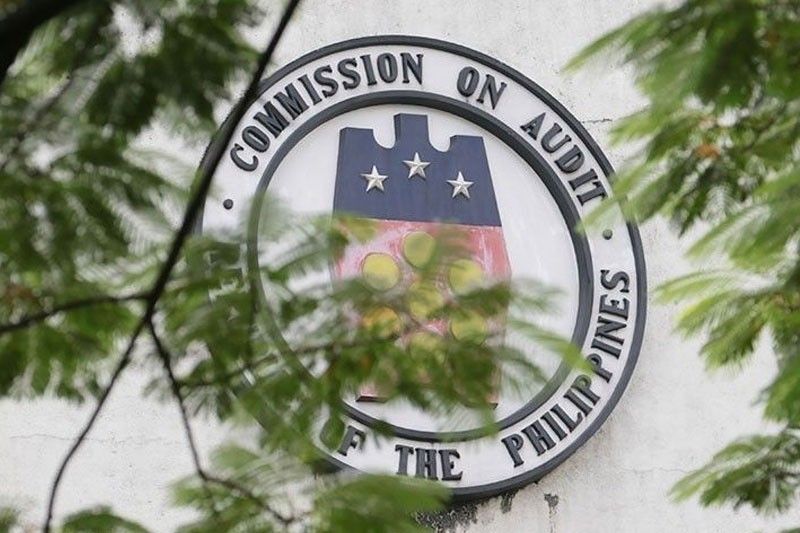
CEBU, Philippines — The Commission on Audit (COA) flagged implementation deficiencies in 16 ongoing infrastructure projects of the City Government of Naga, Cebu, amounting to P425.35 million, saying the issues could delay project completion and the delivery of intended benefits to residents.
In its 2025 annual audit report, COA said the projects had various implementation deficiencies that were inconsistent with the provisions of Republic Acts 9184, or the Government Procurement Reform Act, and 12009, or the New Government Procurement Act.
COA found that six projects worth P68.93 million remained incomplete despite having revised completion dates within 2025. Their physical accomplishments ranged from 6% to 98% as of the end of the year.
Five other projects worth P199.53 million were not completed within their revised contract periods, which ran from January to February 2026. Some were eventually completed, but beyond their approved contract durations.
The audit team also noted that no approved Time Extension Orders were presented or disclosed in the accomplishment reports for projects that exceeded their completion periods.
COA said that without valid extensions, the delays warranted the imposition of liquidated damages under the procurement rules. However, auditors could not verify whether such damages had been assessed and collected because of incomplete payment records.
More concerningly, COA noted that 15 of the 16 projects had negative slippages ranging from 2.11% to 61.48% as of December 26, 2025.
Despite the negative slippages, the prescribed corrective measures under Government Procurement Policy Board (GPPB) Circular No. 03-2019, such as warnings, catch-up programs, intensified monitoring, and possible contract termination, were not strictly implemented.
The City Engineering Department told auditors that the volume of projects and limited manpower constrained monitoring, which was largely limited to informal follow-ups with contractors without proper documentation or enforcement of corrective measures.
COA said the deficiencies indicated weaknesses in project monitoring, contract management, and the enforcement of procurement rules, which could result in prolonged delays, higher project costs, and deferred benefits to residents.
The City Engineering Department agreed to strengthen project monitoring, strictly implement corrective measures for negative slippages, ensure the proper processing of contract time extensions, and enforce liquidated damages for delays not covered by approved extensions.
P178.9-M SEF, trust funds placed in special deposits
COA also questioned the City Government’s maintenance of P178.94 million in three Special Savings Deposit (SSD) accounts funded by the Special Education Fund (SEF) and Trust Fund (TF).
The audit report said the placement was not authorized under COA Circular No. 92-382, which allows idle funds to be placed in time deposits only for the General Fund, subject to prescribed approvals.
The three SSD accounts at the DBP Talisay Branch had combined balances of P178,937,781.04 as of Dec. 31, 2025, and generated P5.39 million in interest income during the year.
Of the total, P158.69 million came from the SEF, while P20.25 million came from the Trust Fund.
COA noted that the SEF and Trust Fund are special-purpose funds governed by specific provisions of the Local Government Code and cannot be treated like idle General Fund balances.
The audit team also pointed to the City’s low SEF utilization rates.
In 2025, only 68% of the P225 million SEF budget was utilized, leaving P71.69 million, or 32%, unutilized. In 2024, utilization was only 37%, leaving 63%, or P120.33 million, unused.
COA said the placement of SEF funds in time-bound deposits may have affected the immediate availability of funds for public school requirements.
In a letter dated March 10, 2026, the City Treasurer explained that the funds were placed in SSDs in good faith to maximize interest earnings because portions of
the funds were not yet scheduled for immediate use.
The treasurer also cited difficulties in achieving 100% collection efficiency, including delayed tax payments and accounts requiring reconciliation.
COA acknowledged the City’s intent to maximize interest earnings but maintained that the authority to place idle funds in deposits under COA Circular No. 92-382 does not extend to SEF and Trust Fund balances.
It recommended that the City Government stop placing SEF and Trust Fund balances in SSDs or time deposits and limit future investments of idle funds to those expressly authorized by law.
COA further noted that interest earned from the Trust Fund SSD had been recognized as General Fund income, which auditors said was improper unless the underlying protested payment was eventually resolved in favor of the City. — (FREEMAN)





- Latest