J.P. Morgan to launch AI-powered service in Philippines
MANILA, Philippines — Global financial services giant J.P. Morgan is set to launch its cutting-edge AI-powered invoice reconciliation service in the Philippines this May, a move aimed at further accelerating the country’s digital payments transformation.
The rollout is part of a broader regional initiative that will also see the service introduced across the Association of Southeast Asian Nations as well as in Hong Kong, Australia and New Zealand.
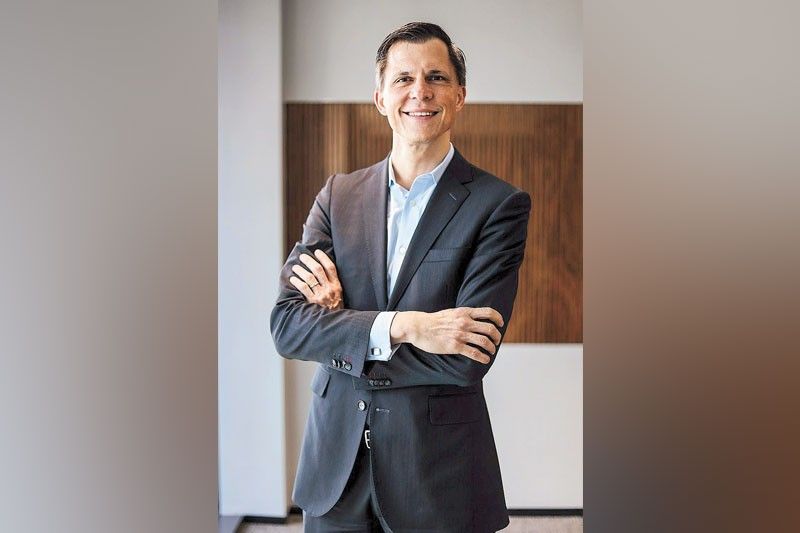
Max Neukirchen, global co-head of payments at J.P. Morgan, said the Philippines is a key priority market for the company’s payments innovation strategy in Asia Pacific amid its rapid digital adoption and booming fintech landscape.
“This award-winning solution has already made a splash in India by improving cash conversion cycles by 50 percent and unlocking $1.1 million in working capital for this client. We can’t wait to see the impact it’ll have here,” he told The STAR.
The AI-powered tool is designed to help organizations streamline their cash flow and reduce operational friction—particularly in industries with complex business to business flows such as healthcare, diversified industrials and original equipment manufacturing.
The launch reflects J.P. Morgan’s growing commitment to innovation in the region and its strong belief in the Philippines’ potential as a digital payments hub.
With over 250 active fintech firms and a tech-savvy population, the Philippines has seen widespread adoption of digital wallets and QR code payments. Mobile penetration stands at 89 penetration and internet access reaches 77 percent of adults—creating fertile ground for financial technology to thrive.
Beyond the AI rollout, Neukirchen also said the bank’s existing partnerships with top local institutions including Bank of the Philippine Islands, BDO Unibank Inc. and Union Bank of the Philippines have extended J.P. Morgan’s reach nationwide.
“We are proud to maintain strong partnerships and a solid payments franchise revenue that spans both multinational corporations and local headquartered clients,” he said.







- Latest
- Trending