ACEN embarks on Australia’s largest IP-led RE projects
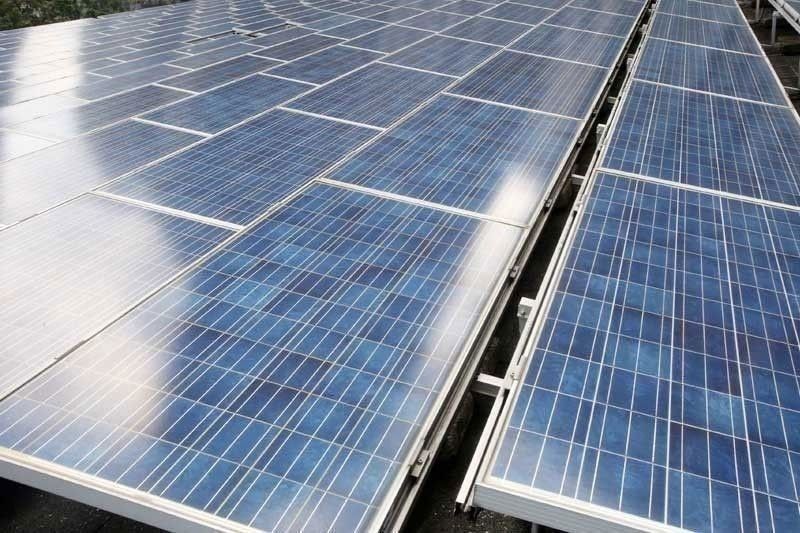
MANILA, Philippines — ACEN Corp., the listed energy platform of the Ayala Group, is embarking on one of the largest indigenous people-led renewable energy initiatives in Australia, with an initial investment of over A$1 billion planned.
ACEN said it has teamed up with the Yindjibarndi people to develop, own, and operate large-scale renewable energy projects of up to three gigawatts (GW) capacity in Western Australia’s Pilbara region.
Among the renewable energy projects to be jointly developed by ACEN and the Yindjibarndi people on Yindjibarndi Ngurra include wind, solar, and renewable energy storage projects.
Yindjibarndi Ngurra is an area of approximately 13,000 square kilometers within the Yindjibarndi Native Title Determination Areas and is conveniently located near major industrial energy users.
“We feel deeply honored by the trust the Yindjibarndi community has bestowed upon ACEN to work collaboratively with them in exploring development opportunities on their lands,” ACEN International CEO Patrice Clausse said.
“The Pilbara region is home to some of the largest industrial energy users globally, many of whom have expressed their desire to transition to a carbon-neutral future. We are actively engaged in promising dialogues with potential offtake customers to purchase the renewable energy,” he said.
An initial target for the partnership is to have 750-megawatt (MW) of combined wind, solar, and battery storage under construction within the next few years, representing an investment of more than $1 billion Australian dollars.
ACEN said the subsequent stages would target an additional two to three GW of combined wind, solar, and battery storage, which would surpass the current output of West Australia’s largest coal-fired power station.
To advance the renewable energy projects on Yindjibarndi Ngurra, ACEN and the Yindjibarndi Aboriginal Corp. formed the Yindjibarndi Energy Corp. (YEC).
YEC’s leadership includes ACEN-appointed director and chairman, Anton Rohner, and Yindjibarndi-appointed director Craig Ricato.
ACEN said the partnership agreement includes principles such as Yindjibarndi approval for all proposed project sites on Yindjibarndi Ngurra, as well as Yindjibarndi equity participation of 25 percent to 50 percent in all projects, preferred contracting for Yindjibarndi-owned businesses, and training and employment opportunities for Yindjibarndi people.
“We know that our country is well located for renewable energy development, so we made the decision early to lead. We established a small team and set out to find a partner with the right capabilities and values, which led us to ACEN,” Yindjibarndi Aboriginal chief executive Michael Woodley said.
“The agreement with ACEN means that the Yindjibarndi people can actively participate in Australia’s renewable energy transition in a significant way that provides long-term economic benefits to our community, whilst also ensuring that we can protect and preserve all areas within Yindjibarndi Ngurra which are of cultural, spiritual, and environmental significance to us,” he said.
Woodley said the partnership would also create sustainable, long-term training and employment opportunities for the Yindjibarndi people of Australia.
ACEN has established a strong footprint in Australia’s renewable energy sector, with more than one GW capacity in construction and more than eight GW capacity in the development pipeline.
Its renewable energy assets across Australia include solar, wind, battery, and pumped hydro energy storage projects.
“ACEN’s commitment to developing and operating renewable energy assets further strengthens Australia’s position as a leader in renewable energy adoption and showcases the potential for a greener and more sustainable future,” the company said.
Overall, ACEN has around 4,400 MW of attributable capacity from owned facilities in the Philippines, Australia, Vietnam, Indonesia and India.
The company aspires to be the largest listed renewables platform in Southeast Asia, with a goal of reaching 20 GW of renewables capacity by 2030.


- Latest
- Trending