Toward a stronger and more prosperous Indo-Pacific, together
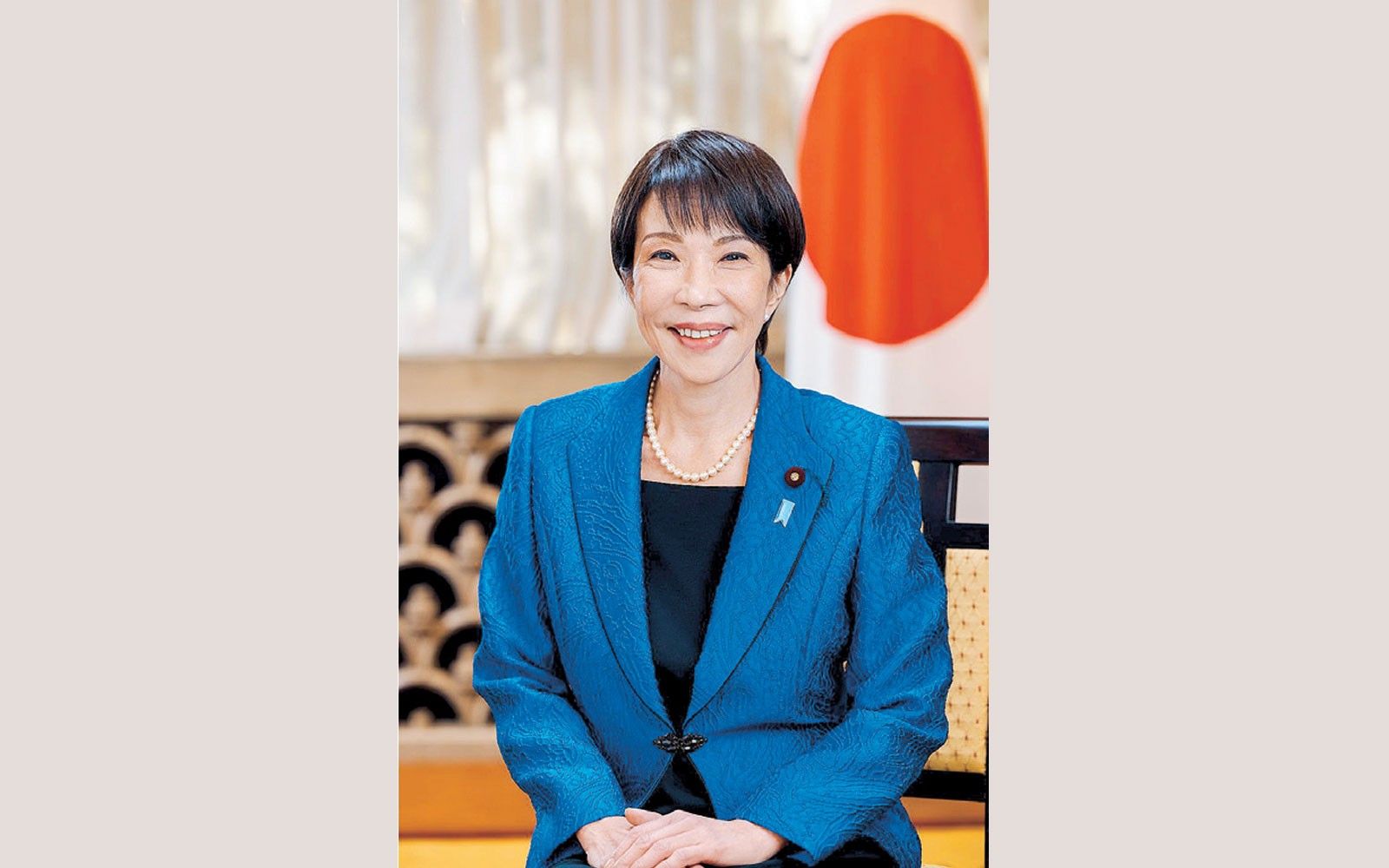
MANILA, Philippines — It is my great pleasure to visit Manila and Shenzhen to attend the ASEAN-related Summit Meetings and the APEC Economic Leaders’ Meeting. I wish to express my respect for the leadership demonstrated by both chairs.
A year ago, when I attended these two meetings just after assuming the office of Prime Minister, I received a warm welcome from the leaders of participating countries.
Since then, I have deepened ties with leaders from many countries, including through the state visit to Japan by President Marcos on the occasion of the 70th anniversary of the normalization of diplomatic relations between Japan and the Philippines.
As the free and open international order based on the rule of law faces a wide range of challenges and uncertainty in the global economy is increasing, leaders in the Indo-Pacific must engage in candid discussions and work together to address pressing issues.
As we mark the tenth anniversary of Japan’s vision of a “Free and Open Indo-Pacific” (FOIP) this year, in May, I have announced an “updated FOIP.” Japan will work with friends across the region to help each country acquire the freedom and resilience needed to determine its own future, so that the region as a whole can “grow stronger and become more resilient and prosperous together.”
One concrete area within this effort is ensuring a stable energy supply and strengthening supply chains. Japan launched “POWERR Asia,” a cooperative framework to broadly strengthen energy resilience, focusing on Asia, the region most heavily affected by the situation in the Middle East. In addition to supporting near-term procurement of crude oil and petroleum products in Asia, the initiative supports the development of stockpiling systems and the stable securing of energy sources. Japan intends to further strengthen this initiative by expanding its economic-resilience components to address regional needs.
ASEAN has also set out the ASEAN Outlook on the Indo-Pacific (AOIP), emphasizing fundamental principles shared with the FOIP, including openness, transparency, inclusiveness, and the rule of law. At last year’s ASEAN-Japan Summit, we issued a Joint Statement on the Further Promotion and Implementation of the AOIP and have advanced our cooperation. I am encouraged that ASEAN countries have recognized the alignment between the updated FOIP and the AOIP. At this year’s Summit, we intend to adopt a Joint Statement focused on economic resilience and further enhance synergies between the FOIP and AOIP.
The Asia Zero Emission Community (AZEC) Summit will also be held in Manila. To simultaneously achieve economic growth, decarbonization, and energy security, I intend to evolve AZEC into “AZEC 2.0,” with a stronger focus on economic and energy resilience.
The year 2027, when ASEAN, the linchpin of peace and stability in the Indo-Pacific, marks the 60th anniversary of its founding, is fast approaching. It also coincides with the 50th anniversary of the announcement of Japan’s Three Principles toward Southeast Asia (known as the Fukuda Doctrine), which laid the foundation for Japan and ASEAN to move forward as equal partners connected “heart to heart.” Building on this half-century history, Japan will deepen Japan-ASEAN cooperation while respecting ASEAN Centrality and unity.
At the APEC Economic Leaders’ Meeting, in light of growing uncertainty in the global economy, I look forward to participating in discussions under China’s chairmanship on realizing a region in which everyone can enjoy the benefits of growth and prosperity. Looking ahead to 2031, Japan will chair APEC. Japan will further promote cooperation that responds to the challenges of the times, including promoting free and fair trade and investment based on rules, which Japan has long championed, and advancing WTO reform, as well as development of quality infrastructure and support for small and medium-sized enterprises. We will also further promote cooperation in the use of AI and digital technologies, energy security, and the development of resilient supply chains.
Since the end of World War II, Japan has consistently pursued its path as a peace-loving nation, and this stance will not change. At the end of this year, Japan plans to revise its Three Strategic Documents, including the National Security Strategy. Japan will continue contributing to the peace, stability, and prosperity of the international community in cooperation with countries including allies and like-minded countries.
I believe that the surest path toward realizing a “Free and Open Indo-Pacific” is for Japan and countries in the region to become more resilient and prosperous together through cooperation built up over the years. Japan will continue working with like-minded partners in the region to shape an Indo-Pacific that serves as a foundation for peace and prosperity in the international community.


- Latest
- Trending