QC gov't: People's Law Enforcement board can handle complaint against killer cop
MANILA, Philippines — The Quezon City People's Law Enforcement Board is willing to handle the administrative raps against the Quezon City cop who murdered a 52-year-old in a now-viral video.
In a text message, QC PLEB Executive Director Ralph Calinisan said that aside from the Philippine National Police's ongoing probe, the board can also handle the administrative complaint against Police MSgt. Hensie Zinampan.
To recall, Zinampan was caught on video pulling the hair of 52-year-old Lilybeth Valdez and shooting her in the neck in front of her family members.
"While the PLEB will still give him his right to procedural due process, I am giving my personal guarantee that we will dismiss Zinampan from the service the soonest," Calinisan told Philstar.com.
The lawyer was careful to point out that "this happened in Quezon City, and we have jurisdiction over this case."
Police Gen. Guillermo Eleazar, PNP chief, said earlier this week that the killer cop was already slapped administrative charges for grave misconduct filed by the PNP Internal Affairs Service.
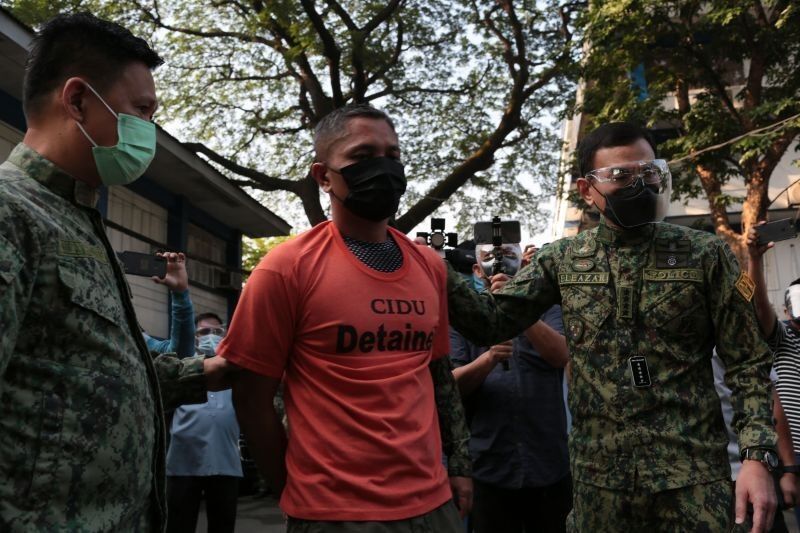
Zinampan remains under the custody of the Quezon City Police District's Criminal Investigation and Detection Unit.
RELATED: QC cop who killed 52-year-old already slapped with criminal, admin charges
PLEB's powers
Republic Act No. 6975 holds that cities and municipalities must have at least one People's Law Enforcement Board to "hear and decide citizen's complaints or cases filed before it against erring officers and members of the PNP."
Under the law, "the PLEB may ask any authorized superior to impose preventive suspension against a subordinate police officer who is the subject of a complaint lasting up to a period as may be allowed under the law."
The board is authorized by virtue of Republic Acts No. 6975 and 8551 "to mete out heavy penalties against erring policemen," the Quezon City government said in an earlier statement.
Unlike other cases filed with the regular courts, city PLEBs have the power to decide on each case summarily.


- Latest
- Trending