PDRF to close gaps in Philippines water security
MANILA, Philippines — The Philippines has plenty of water, yet many families, cities and businesses still face shortages, floods and unreliable supply.
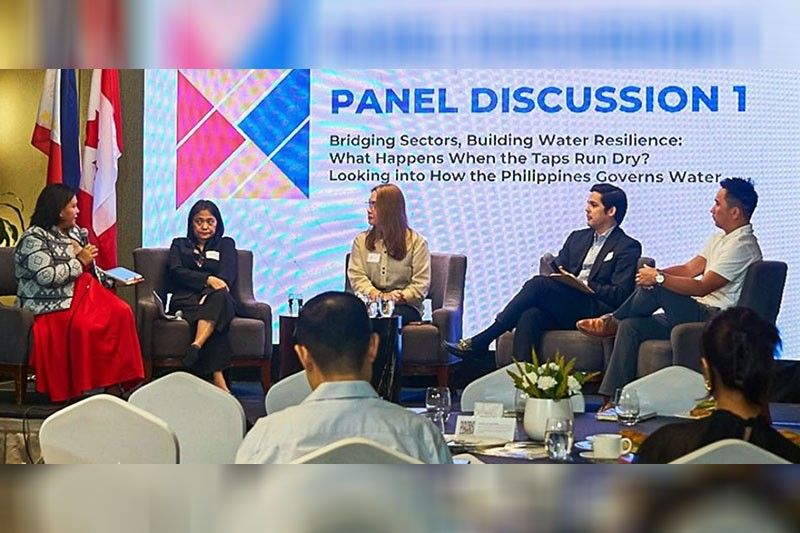
To close that gap, the Philippine Disaster Resilience Foundation recently brought together national agencies, local governments, water utilities and its member-companies for Cluster Connect: Public-Private Collaboration for Water Resilience in Makati City.
The event also marked the official launch of the Building Resilience through Inclusive Development and Gender Equality (BRIDGE) project, a four-year initiative implemented by PDRF and funded by the government of Canada to strengthen water management and climate resilience in Antipolo City and Baguio City.
Water problems in the Philippines come from many directions at once: changing weather patterns, damaged watersheds, fast-growing cities, rising demand and gaps in infrastructure.
Many agencies, LGUs and private groups are working to address these challenges, but these efforts are not always aligned or coordinated. Cluster Connect, an annual gathering of PDRF’s cluster members to strengthen private sector coordination and align with the country’s resilience agenda, aims to bring these efforts together into a coordinated approach where the government sets direction, LGUs lead on the ground and business brings resources and expertise.
“Canada is proud to support the Philippines’ efforts to strengthen water security, recognizing that access to safe, reliable and sustainable water resources is essential for healthy communities, economic growth and climate resilience. Canada’s experience has shown that sustainable water solutions are built through strong partnerships across government, the private sector and communities, bringing together policy leadership, innovation, technology and investment,” said Canadian Ambassador David Hartman.





- Latest
- Trending