‘AMLC disclosure a dangerous precedent’
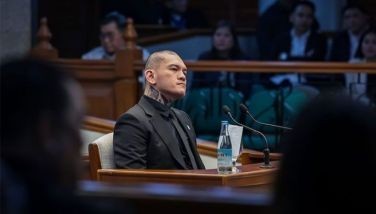
MANILA, Philippines — Allowing the testimony of Anti-Money Laundering Council executive director Ronel Buenaventura in Vice President Sara Duterte’s impeachment trial will breach confidentiality, violate the law and disregard the explicit warning by the AMLC, the defense panel warned yesterday.
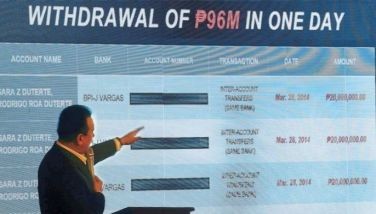
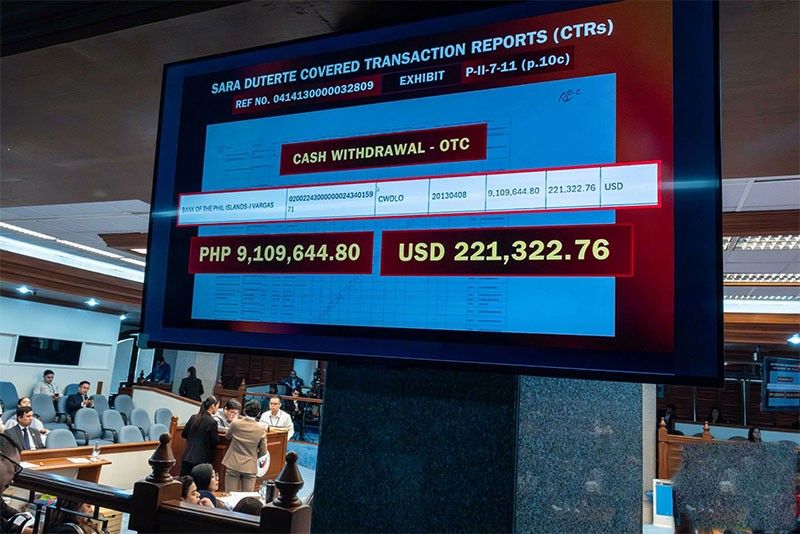
Defense counsel Mark Vinluan said it will violate the rights of Duterte, whose lawyers moved to block the testimony of the AMLC officer on allegations that billions of pesos worth of transactions passed through the accounts of the Vice President and her husband Manases Carpio.
“The Vice President is not hiding anything. But the data must go through the proper verification process in accordance with the law and must not be disclosed to the public in a wrong, malicious manner, and with the sole purpose of political gain,” Vinluan explained.
He said allowing the disclosure of confidential information sets a dangerous precedent, adding that bank transaction records of the President, senators, members of the House of Representatives, Supreme Court justices, other government officials or any other Filipino citizen “can and will be susceptible to similar reckless and abusive acts in the future.”
“We also put on record that Vice President Sarah Z. Duterte reserves the right to pursue all appropriate legal remedies against those who will violate the law and her rights thereunder,” Vinluan said.
He said section 8A of the Anti-Money Laundering Act or AMLA of 2001, which took effect on Feb. 8, 2021, tasked the AMLC and its secretariat to protect information received or processed and should not reveal in any manner any information known to them by reason of their office.
“This prohibition is absolute and applies to executive director Attorney Ronel Buenaventura today and even after his separation from the AMLC. Under this provision and the current state of the law, impeachment is not an exception. Any reference to past impeachment cases, including the (former chief justice Renato) Corona impeachment, is therefore unavailing,” Vinluan added.
He reiterated that the law prohibits the disclosure in any manner of confidential information, including those submitted by the banks and other covered persons to the AMLC.
“The law explicitly extends this prohibition to the members of the media, which are here today for the purpose of broadcasting these proceedings to the general public. Even the AMLC itself warns about the use of its reports, such as Prosecution Exhibit P-2-7-15-B-AMLC, stating that the end user of the information must number one, verify the information provided.
“Number two, protect the confidentiality of the information. Number three, use the information for intelligence purposes only. Number four, not use the information as evidence in formal proceedings. Number 5, refrain from reproducing, copying, extracting, printing or distributing material to any third party without the written consent of the AMLC,” Vinluan said.
“We therefore put on record that defense is not and will not be complicit in breaking the law,” Vinluan added.


- Latest
- Trending