Ilocos farmers hitting it big in tomato production
April 4, 2004 | 12:00am
Thousands of Ilocos Norte and Ilocos Sur farmers now are in one of their "best of times" – producing a crop other than what Ilocandia is noted for.
The land tillers today produce tons of tomato processed by the Northern Food Corp. (NFC) into tomato paste for the giant business enterprises in various parts of the country.
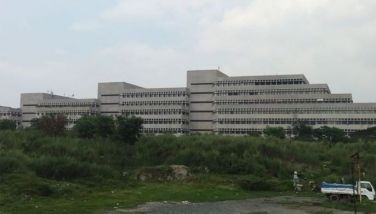
The NFC, which is located in the Ilocos Norte town of Sarrat and owned by the Livelihood Corp. (LIVECOR) attached to the Department of Agriculture (DA), sources its tomato paste materials from some 3,000 farmers in 25 towns in the two provinces.
The farmers, reported Likha C. Cuevas of the DA Bureau of Agricultural Research (BAR), plant an average 850 hectares to tomato during the October-December period. They annually sign a contract growing agreement with NFC and the tomato they produce are sold exclusively to the firm.
The NFC processes 500 tons of fresh fruits everyday and produces 4,500 tons of tomato paste every processing season (mid-January to mid-May).
The product finds its way to Jollibee Food Corp., San Miguel Foods Corp., Purefoods Corp.-Hormel, Genosi (toll packs for McDonald Phil.), Del Monte Phils., Nestle Phils., Heinz-UFC Phils. Inc., California Manufacturing Co., and RAM Food Product, Inc., as well as major fish canners.
Since 1984 when NFC was set up, a number of tomato varieties have been introduced for cultivation to sustain the company’s operations.
Initially, there were Ilocandia 1 and 4 introduced by PPC/Del Monte in 1984-85. Others that followed were KP3 and R1464; Hofit variety from Israel; Felica and Bodz, NFC’s first developed hybrids; and Ilocos Red, which is still planted to this day.
NFC shelved R&D efforts in 2000 owing to financial constraints.
Today, it is conducting on-farm trials for three new hybrid varieties to determine their adaptability to local conditions.
Former NFC president and now consultant Felipe Mateo and vice president Norberto Mendoza, as reported by Cuevas, said that they want to strengthen the firm’s R&D capability so that the farmers could increase their yield and improve their livelihood.
BAR director William C. Medrano, who visited NFC recently, concurred.
First, Dr. Medrano said, there is a need for new high-yielding varieties to help increase the farmers’ productivity. Second, an updated soil analysis and soil mapping per barangay/town are necessary. Lastly, the right technology is needed for pest management. – Rudy A. Fernandez
BrandSpace Articles


<
>
- Latest
Latest
Latest

Recommended

15 hours ago


November 21, 2026 - 12:00am


1 day ago


3 days ago