DOE denies Semirara coal auction bias
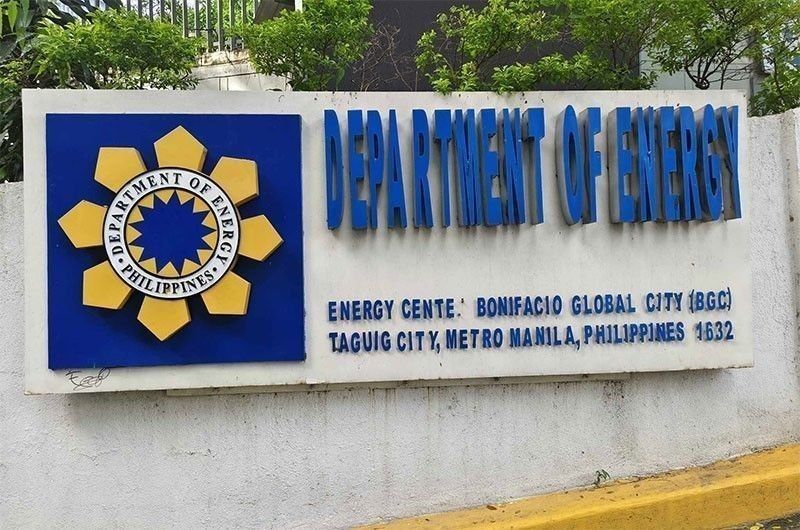
MANILA, Philippines — The Department of Energy (DOE) has defended the fairness of the Semirara coal auction, saying it is neither favoring any bidder nor sidelining the current operator.
Energy Secretary Sharon Garin said the same rules apply to all bidders and are not intended to benefit or disadvantage any particular company.
“We’re giving everyone a chance. It’s just that the rules have changed,” Garin said in a chance interview.
The auction covers the country’s largest coal mine in Antique, long operated by the Consunji Group’s Semirara Mining and Power Corp. (SMPC).
Launched earlier this year, the bidding was later terminated after the government suddenly changed the framework governing the award of the new coal operating contract.
This has drawn objections from SMPC, which claims the DOE is effectively “telling us not to bid.”
The company argued that the revised rules require it to surrender all its assets even though its existing contract has yet to expire.
SMPC also questioned the lack of pre-qualification requirements, warning that the government could lose billions of pesos in revenue if it awards the new contract to a bidder without mining expertise.
“Why kill the golden goose for zero gain?” asked the integrated energy firm.
Garin, however, said the revised rules aim to maximize the value of the Semirara coal mine and require the winning bidder to sell a significant portion of its coal production to the domestic market.
“Now, especially after learning from the Middle East issue, we really need our own indigenous sources of fuel,” she stressed.
The energy chief said the auction remains on track for this year, with bidders to be given at least one month from the issuance of the terms of reference to submit their bid documents.
SMPC’s existing coal operating contract expires in July 2027.
Over the past 29 years, the company has remitted about P70.5 billion to the government. It also contributes around P600 million annually to the municipality of Caluya in Antique to fund education, health care and livelihood programs.





- Latest
- Trending